Birdingonthe.NetRecent Postings from
> Home > Mail |
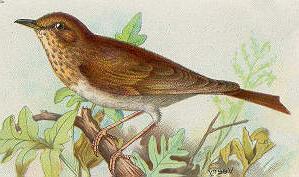
Veery |
|
11 Nov Rodeo Lagoon - Sunday - Redhead, Moorhen and Oiled birds ["tonyharrow" ] 10 Nov China Camp Pileated Woodpecker ["Robert" ] 10 Nov Oiled bird reports ["sequoia49" ] 9 Nov Fw: Oil Spill Response ["Sharon" ] 9 Nov Fw: Thought you might like to see what's been reported on Alcatraz ["Sharon" ] 9 Nov Fw: oil spill update AND VOLUNTEER OPPORTUNITIES ["Sharon" ] 09 Nov Re: Fw: Oil Spill Contacts/what you can do [] 9 Nov Fw: Oil Spill Contacts/what you can do ["Sharon" ] 9 Nov Hawk Hill Re-open [ALLEN FISH ] 09 Nov Richardson Bay update ["wilcox_kerry" ] 09 Nov Also Grim: Shorebird Park - Berkeley [] 09 Nov Rodeo Lagoon, Marin Headlands 11/9 - Grim! [] 9 Nov FW: [pen-bird] Hawk Hill closed (Marin County) ["Mike Feighner" ] 09 Nov Southern Marin Christmas Count - December 29 [] 9 Nov Sign up: Oakland CBC Dec 16, San Francisco CBC Dec 27 [Dave Quady ] 9 Nov Sign up: Oakland CBC Dec 16, San Francisco CBC Dec 27 [Dave Quady ] 09 Nov Intergrade Flicker [krippens ] 09 Nov Special Request to Birding Community from OWCN -UC Davis ["torusert" ] 8 Nov Emailing: owcn ["Sharon" ] 09 Nov Update on Bird Rescue -SF Bay Oil Spill Response ["torusert" ] 09 Nov Re: more oil info ["Jim Greaves" ] 8 Nov more oil info ["Sharon" ] 8 Nov oil spill and birds ["Sharon" ] 08 Nov Please disregard my message about oiled birds ["Maggie Rufo" ] 08 Nov San Francisco Bay Oil Spill - Int'l Bird Rescue Center Hotline! ["torusert" ] 7 Nov Napa yard White-throated Sparrow ["Denise and David Hamilton" ] 7 Nov Corrections ["Ruth Rudesill" ] 07 Nov Corte Madera Vesper Sparrow ["bhlenarz" ] 7 Nov Re: State Parks [] 07 Nov RE: State Parks ["sequoia49" ] 7 Nov NBB sighting reports [Bill Malet ] 6 Nov Rough -legged Hawk ["Ruth Rudesill" ] 06 Nov Re:state parks [] 6 Nov Re: California State Parks and Birding ["Doug Shaw" ] 5 Nov state parks ["Sharon" ] 06 Nov California State Parks and Birding ["jwinterggo" ] 5 Nov No Subject [] 5 Nov Napa & a little bit of Lake ["Frances Oliver" ] 04 Nov Black-chinned in Terra Linda [krippens ] 4 Nov Barrow's Goldeneye at Las Gallinas [] 4 Nov RE: Williamson's Sapsuckers in Lake County ["Mike Feighner" ] 04 Nov Williamson's Sapsuckers in Lake County ["Lisa Hug" ] 03 Nov Rodeo Lagoon, Marin Headlands - 11/3 [] 03 Nov Tolay & environs, Saturday ["peter_colasanti" ] 02 Nov Good News for the CA. Condor... ["torusert" ] 1 Nov last few days ["Rich Stallcup" ] 01 Nov Palm Warbler in Vacaville ["David Bell" ] 31 Oct Brown Booby - Cordell Bank pelagic 10/23 ["Moez Ali" ] 30 Oct Lake Hennessey Tufted Duck & Loons [] 29 Oct Bolinas Lagoon [] 29 Oct 10/28 Yard Sightings Santa Rosa, Sonoma County / Mystery Bird (s) ["Doug Shaw" ] 29 Oct Redwood Region Ornithological Society (RROS) Website... ["mr_storey" ] INFO 11 Nov <a href="#"> Rodeo Lagoon - Sunday - Redhead, Moorhen and Oiled birds</a> ["tonyharrow" ] <br> Subject: Rodeo Lagoon - Sunday - Redhead, Moorhen and Oiled birds From: "tonyharrow" <tonyharrow AT yahoo.com> Date: Sun, 11 Nov 2007 20:03: I was rather dreading my ususal outing to the lagoon today in view of all the bad news we have been having. However, it was a lovely sunny and calm morning and the Park Ranger allowed me to scope from the beach for a while before all the workers arrrived and also let me use the trail on the south side. The ocean was calm and there were no obvious oil slicks from my vantage. Bird numbers were fairly low but well within the range of recent weeks. There were 30 or so Surf Scoters just offshore and there was no obvious sign of oiling, no great amount of preening etc. Most in fact were sleeping. There were 34 Western Grebes. At least 6 showed obvious oil marks but three of those were actively feeding. One Western Grebe had hauled itself out onto the shore and the Park Ranger was calling for help to try to rescue it. Three Brown Pelicans were washing very vigorously, which we usually see on the fresh water lagoon itself, and I suspect they are oiled. 13 others, mainly adults, were on Bird Rock and seemed clean. There were the usual numbers of gulls but I only saw oil marks on about 6, mainly on the breast and belly. Brandt's Cormorants were few, about 10 , and seemed untouched and acting normally. There was also an oiled Red-necked Loon but it did catch a fish as I watched so maybe it will be OK. By 8:30 there were 49 yellow or white uniformed workers on the beach. I couldn't go right down to the water but the beach area seemed much cleaner than I expected, though there were obvious oil patches remaining. I know that's just a surface look but I felt a little encouraged. The main lagoon looks completely normal at first glace. However, there were 3 very badly oiled Surf Scoters at the western end and 13 others not so heavily soiled. There were approximately 40 scoters, including 3 White-winged, and except for the 16 noted the rest seemed unharmed. The River Otters tried to capture one of the badly oiled birds. It couldn't fly but managed to get far enough away that the otters gave up. I doubt it will make it next time as it in no condition to feed and is clearly weak. This brings up the question of the Otter's health if they start feeding on contaminated birds. I don't know how any birds on the lagoon could be caught for cleaning without stressing them even more. The consolation of the beach closure is that no people or dogs are bothering them so possobly the leass contaminated birds will recover. The best bird was the female Redhead (8:30am), quite placid today. Still curious if this is the same bird reported at Crissy Field. The mergansers and teal reported by William on Friday have gone but on the smaller lagoon there was the Common Moorhen and 34 Wigeon and 41 Coots - about usual numbers. Sorry for the log post but unusual circumstances semed to warrant it. tony Larkspur, Marin CountyINFO 10 Nov <a href="#"> China Camp Pileated Woodpecker</a> ["Robert" ] <br> Subject: China Camp Pileated Woodpecker From: "Robert" <bilgepump100 AT sbcglobal.net> Date: Sat, 10 Nov 2007 23:56: On my bike ride today I saw a Pileated Woodpecker on the Shoreline Trail above the campground. Also heard a Sora and saw no oiled birds or beach. Bob Hall SFINFO 10 Nov <a href="#"> Oiled bird reports</a> ["sequoia49" ] <br> Subject: Oiled bird reports From: "sequoia49" <judisierra AT hotmail.com> Date: Sat, 10 Nov 2007 22:41: The # has been patched into San Francisco's 311 network. It only took a couple of minutes to get through but too bad I had to wait hours through a busy signal before I could report the grebe I'm concerned about. They'll take reports from anywhere not just SF. Judi Sierra- OaklandINFO 9 Nov <a href="#"> Fw: Oil Spill Response</a> ["Sharon" ] <br> Subject: Fw: Oil Spill Response From: "Sharon" <daisy44 AT comcast.net> Date: Fri, 9 Nov 2007 22:58: More info on how to help. BeachWatch is surveying any threatened beaches on a regular basis. I did my special survey on Thursday and was called tonight to do more dawn surveys Sat. and Sun. I hope people can find some way they can help from all of these e-mails. Thanks, Sharon Mill Valley ----- Original Message ----- From: Dave Fichtner To: Whole Group BeachWatch Sent: Friday, November 09, 2007 8:00 PM Subject: Re: Oil Spill Response Another input, but this time from the bay. SF Bay Bird Observatory OutreachINFO 9 Nov <a href="#"> Fw: Thought you might like to see what's been reported on Alcatraz</a> ["Sharon" ] <br> Subject: Fw: Thought you might like to see what's been reported on Alcatraz From: "Sharon" <daisy44 AT comcast.net> Date: Fri, 9 Nov 2007 21:27: The situation at Alacatraz. ----- Original Message ----- From: Dave Fichtner To: Sharon Sent: Friday, November 09, 2007 8:13 PM Subject: Re: Thought you might like to see what's been reported on Alcatraz Matt says OK to forward.... I edited out all the names that I don't have permission to use. Oil slicks are present around the Island with heavy concentrations in some areas, minor in others and oil has adhered to the shoreline in some areas. The heaviest concentrations were at the bottom of the staircase along the Agave Trail and in the cove at Barker Beach. One dead cormorant is on the rock ledge below the fog horn in section 11. We found one heavily oiled COMU and one heavily oiled BLTU. Moderately to lightly oiled birds included one WATA, one BLTU, one WEGR, two WEGU. This afternoon a response team went to the Island to assess and address the oiled individuals. Alcatraz Oiled Bird Census :15-11:15 am Double-crested Cormorant - One dead on rocks below north foghorn Common Murre - One heavily oiled Black Turnstone - One heavily oiled, one w/oily feet and legs Wandering Tattler - One w/oily feet and bill Western Grebe - One with oily plumage at waterline Western Gull - Two with oily breast feathers. The best bird of the day wasn't a bird, but a Red Admiral butterfly! Cheers, Dave <") ( \ / |`` __________________________________________________ Do You Yahoo!? Tired of spam? Yahoo! Mail has the best spam protection around http://mail.yahoo.com [Non-text portions of this message have been removed]INFO 9 Nov <a href="#"> Fw: oil spill update AND VOLUNTEER OPPORTUNITIES</a> ["Sharon" ] <br> Subject: Fw: oil spill update AND VOLUNTEER OPPORTUNITIES From: "Sharon" <daisy44 AT comcast.net> Date: Fri, 9 Nov 2007 14:59: Especially for the really frustrated folk that want to help and think they can't. Look at all the links...plenty to do for everyone. Thanks to Jill at GGRO for this.I am furious that apparently both the captain and the Coast Guard apparently lied about the extent of the oil until it was too late. Sharon Salisbury Mill Valley ----- Original Message ----- From: "Jill Harley"INFO 09 Nov <a href="#"> Re: Fw: Oil Spill Contacts/what you can do</a> [] <br> Subject: Re: Fw: Oil Spill Contacts/what you can do From: tiffymm AT comcast.net Date: Fri, 09 Nov 2007 21:59:42 +0000 Would there be anyone on the list who might be able to complie information about other ways to help not directly involving the oiled birds? There was mention in an earlier post about towels being needed. Are there other supplies that could be gathered and donated and where should they be taken? I feel very helpless and sad and would really like to help. Tiffany Erickson Windsor, CA -------------- Original message -------------- From: "Sharon"INFO 9 Nov <a href="#"> Fw: Oil Spill Contacts/what you can do</a> ["Sharon" ] <br> Subject: Fw: Oil Spill Contacts/what you can do From: "Sharon" <daisy44 AT comcast.net> Date: Fri, 9 Nov 2007 13:17: This just came in and hopefully will explain why untrained people can't do much right now. ----- Original Message ----- From: "Jill Harley"INFO 9 Nov <a href="#"> Hawk Hill Re-open</a> [ALLEN FISH ] <br> Subject: Hawk Hill Re-open From: ALLEN FISH <allenfish44 AT sbcglobal.net> Date: Fri, 9 Nov 2007 11:58: (PST) Just to follow up on the earlier note regarding Hawk Hill. The National Park Service did reopen Conzelman Road today allowing traffic up to Hawk Hill and down the west side. Beach closures are at Black Sands Beach and Rodeo Beach, however the Hawk Hill area is now open. Incidentally, GGRO banders trapped and released the season's first Rough-legged Hawk and first Northern Goshawk yesterday. Good birds -- Allen [Non-text portions of this message have been removed]INFO 09 Nov <a href="#"> Richardson Bay update</a> ["wilcox_kerry" ] <br> Subject: Richardson Bay update From: "wilcox_kerry" <kwilcox AT audubon.org> Date: Fri, 09 Nov 2007 19:53: Yesterday afternoon and again this morning we've been out on the sanctuary waters in Richardson Bay looking for signs of the oil spill and I am relieved to report that we haven't found any as of noon on Friday. We checked along the Strawberry channel and island shoreline, Blackie's as well as Sanctuary waters in the western half; we also looked for oil and affected birds to the south of the Sanctuary boundary and at the mouth of the Bothin Marsh arm of the Bay. There are plenty of grebes and scoters, seemingly unaffected for now. We feel lucky considering how it has affected other locations nearby such as Fort Baker. I'll repost as news develops. Kerry Wilcox Richardson Bay Audubon Center & Sanctuary TiburonINFO 09 Nov <a href="#"> Also Grim: Shorebird Park - Berkeley</a> [] <br> Subject: Also Grim: Shorebird Park - Berkeley From: magwhls AT comcast.net Date: Fri, 09 Nov 2007 19:33:24 +0000 My friend is currently at Shorebird Park, end of University Ave. Berkeley. There are oiled birds from Emeryville to north. OWCN people are on site and rounding up birds - there are a lot of birds - my friend said it's overwheming. They may need transport help to take the birds to Ft. Mason. My friend, who was there trying to keep the F-ing off-leash dogs away from the birds (why are dogs even allowed at a place called Shorebird Park??), is being allowed to help transport once the birds are rounded up and boxed up by the trained Hazmat people. It's possible more help is needed if anyone wants to go and standby to do transport. Remember DO NOT TOUCH or approach any birds - scaring them back into the water will cause their death. Remember the number to call to report animals dead or alive is . Maggie Rufo NovatoINFO 09 Nov <a href="#"> Rodeo Lagoon, Marin Headlands 11/9 - Grim!</a> [] <br> Subject: Rodeo Lagoon, Marin Headlands 11/9 - Grim! From: WGDLegge AT aol.com Date: Fri, 09 Nov 2007 14:15: Visited Rodeo Lagoon for an hour early this a.m.?Not pretty. Low-lights! The beach and trail on the south side of the main Lagoon are all closed due to the oil spill.??? While the Lagoon itself has escaped thus far, given that the outlet channel to the sea remains closed/dry,?the impact on the birds seems to be significant. I counted at least 10+ Surf Scoters covered in oil sitting on the western shore of the main lagoon.?2?Greater Scaup seemed to be in a?similar predicament and 1 Ring-necked Duck down at the eastern end of the lagoon?was active but significantly?oiled.? Presumably all of these birds were on the sea at some stage over the last 24/48 hours before flying onto the lagoon.?? Of the 15+ gulls I saw well, two were significsantluy oiled - an adult Mew Gull and a 3rd year Glaucous-winged Gull. There were at least another 20 Scoter on the lagoon that looked in good shape, were diving etc., but many of these were preening extensively and so I suspect have suffered some oil contamination.? I spoke with the Park officials that were present at the beach to alert them to the number of impacted birds on the lagoon.? Amazingly their focus had just been on the beach shoreline and?no one had yet looked for injured/contaminated birds on the shore of the western shore of the lagoon.? The impacts of this spill look like they will be pretty significant I'm afraid.? Highlights (all on main lagoon) 1 flighty female Redhead on the main lagoon with Scaup/Ring-necked Ducks 5 Hooded Merganser (all females/1st winters) 1 Green-winged Teal (did not look well, but seemed uncontaminated).? 4 Wilson's Snipe 2 Black Turnstone 3 Bonaparte's Gulls (1st winters) William Legge Mill Valley, CA? ?????? ________________________________________________________________________ Email and AIM finally together. You've gotta check out free AOL Mail! - http://mail.aol.com [Non-text portions of this message have been removed]INFO 9 Nov <a href="#"> FW: [pen-bird] Hawk Hill closed (Marin County)</a> ["Mike Feighner" ] <br> Subject: FW: [pen-bird] Hawk Hill closed (Marin County) From: "Mike Feighner" <feinerVogel94551 AT comcast.net> Date: Fri, 9 Nov 2007 08:46: Forwarding the following email to North Bay Birds omitted from the original email. As Hawk Hill is Martin County, and as North Bay Birds, covers Marini County, North Bay Birds is a valid recipient of this email regarding the Hawk Hill Road Closure Announcement. -- Mike Feighner, Livermore, CA, Alameda County -----Original Message----- From: peninsula-birding AT yahoogroups.com [mailto:peninsula-birding AT yahoogroups.com] On Behalf Of sonny mencher Sent: Friday, November 09, 2007 8:15 AM To: sf birds; south bay birds; peninsula birding Subject: [pen-bird] Hawk Hill closed Heard Allen Fish speak at the Sequoia Audubon meeting last night. He reported that the road up to Hawk Hill is closed as you aproach the change to one way. This is related to the oil spil and the park service wanting to prevent unauthorized people from getting down to the beaches. The road is open to the alternate watching hawk watch site at the 4 benches below the main viewing area. Parking is quite limited at that area. If you had plans to visit Hawk Hill, you might want to call first to check on road closure Sonny Mencher of San Mateo CountyINFO 09 Nov <a href="#"> Southern Marin Christmas Count - December 29</a> [] <br> Subject: Southern Marin Christmas Count - December 29 From: magwhls AT comcast.net Date: Fri, 09 Nov 2007 16:23:50 +0000 For information on the S. Marin Christmas Count on 12/29/07 please visit: http://www.marinaudubon.org/07birdcount.htm ----------------------------------------- Maggie Rufo NovatoINFO 9 Nov <a href="#"> Sign up: Oakland CBC Dec 16, San Francisco CBC Dec 27</a> [Dave Quady ] <br> Subject: Sign up: Oakland CBC Dec 16, San Francisco CBC Dec 27 From: Dave Quady <davequady AT att.net> Date: Fri, 9 Nov 2007 08:03: Hello, Bay Area Birders (with apologies for cross-posting):
Golden Gate Audubon Society sponsors two Christmas Bird Counts:
Oakland -- Sunday, December 16
San Francisco -- Thursday, December 27
Invitations have been mailed to everyone who participated in either
count in recent years (but not to those who had signed up online by
Wednesday for one of the counts--thanks to all who did so!). If you
participated recently but haven't received your invitation yet it
should arrive any day now.
This note invites new participants to join the counts. You'll have a
chance to sample the bird life in an area that fits your interests and
abilities, under the leadership of an experienced birder. At the end
of the day you can attend the "count dinner," to learn what birds
others have found, and where. A rarity or two usually turns up;
learning of them on the day of discovery can help you see them, too.
It's easiest for you, and for the compilers, if you sign up online. Go
to
http://www.goldengateaudubon.org/html/birdresources/
christmasbirdcount.htm
and follow the links to sign up for either count, and to download
sign-up forms for the count dinners. Early sign-ups pay a reduced
price for dinner.
However, if you prefer, you can call Golden Gate Audubon Society at to request sign-up forms and/or dinner reservation forms
for either count. Act soon -- sign-up deadlines are November 25 for
the Oakland CBC and December 7 for the San Francisco CBC.
For further information, contact one of the compilers:
San Francisco -- Alan Hopkins, ash AT sfo.com,
-- Dan Murphy, sfbirdcount AT yahoo.com,
Oakland -- Bob Lewis, Bob AT wingbeats.org,
-- Dave Quady, davequady AT att.net,
Hope to see you at the counts!
Dave Quady
Berkeley, California
davequady AT att.net
INFO 9 Nov <a href="#"> Sign up: Oakland CBC Dec 16, San Francisco CBC Dec 27</a> [Dave Quady ] <br>
Subject: Sign up: Oakland CBC Dec 16, San Francisco CBC Dec 27From: Dave Quady <davequady AT att.net> Date: Fri, 9 Nov 2007 08:03: Hello, Bay Area Birders (with apologies for cross-posting):
Golden Gate Audubon Society sponsors two Christmas Bird Counts:
Oakland -- Sunday, December 16
San Francisco -- Thursday, December 27
Invitations have been mailed to everyone who participated in either
count in recent years (but not to those who had signed up online by
Wednesday for one of the counts--thanks to all who did so!). If you
participated recently but haven't received your invitation yet it
should arrive any day now.
This note invites new participants to join the counts. You'll have a
chance to sample the bird life in an area that fits your interests and
abilities, under the leadership of an experienced birder. At the end
of the day you can attend the "count dinner," to learn what birds
others have found, and where. A rarity or two usually turns up;
learning of them on the day of discovery can help you see them, too.
It's easiest for you, and for the compilers, if you sign up online. Go
to
http://www.goldengateaudubon.org/html/birdresources/
christmasbirdcount.htm
and follow the links to sign up for either count, and to download
sign-up forms for the count dinners. Early sign-ups pay a reduced
price for dinner.
However, if you prefer, you can call Golden Gate Audubon Society at to request sign-up forms and/or dinner reservation forms
for either count. Act soon -- sign-up deadlines are November 25 for
the Oakland CBC and December 7 for the San Francisco CBC.
For further information, contact one of the compilers:
San Francisco -- Alan Hopkins, ash AT sfo.com,
-- Dan Murphy, sfbirdcount AT yahoo.com,
Oakland -- Bob Lewis, Bob AT wingbeats.org,
-- Dave Quady, davequady AT att.net,
Hope to see you at the counts!
Dave Quady
Berkeley, California
davequady AT att.net
INFO 09 Nov <a href="#"> Intergrade Flicker</a> [krippens ] <br>
Subject: Intergrade FlickerFrom: krippens <krippens AT earthlink.net> Date: Fri, 09 Nov 2007 07:49: I just saw in the tree outside my window a Northern Flicker with yellow-shafted primaries and a red mustache. It's neck was bare, head brown. Karen Jo Rippens Terra LindaINFO 09 Nov <a href="#"> Special Request to Birding Community from OWCN -UC Davis</a> ["torusert" ] <br> Subject: Special Request to Birding Community from OWCN -UC Davis From: "torusert" <sonomabirding AT gmail.com> Date: Fri, 09 Nov 2007 15:28: Alison Kent Davis, California Oiled Wildlife Care Network Wildlife Health Center Thanks, Tom. In addition, I'd like to issue a special plea for birders please to try and get to "places less travelled" where you know there to be birds. We got over 40 calls yesterday reporting one oiled surf scoter at Crissy Fields; one call reporting 40 oiled clapper rails in Anderson Marsh would really help sort out rescue triage. The sooner, the better. The faster we can get these birds stabilized and washed, the higher their chances of recovery and survival. Calls from the general public wanting to volunteer outnumbered bird reports yesterday by about 5-1. Volunteer opportunities for untrained members of the public are going to be very limited over the next few days but here's a critical one: please make a special effort to look for oiled birds in places where the general public doesn't go. Don't approach or touch the birds but call and provide the location (be very specific, GPS coordinates are great), the species, number of birds seen, whether dead or alive, and percentage of oiling. Please leave your name and a contact phone number. We are inundated and most of my veterinary and administrative coworkers have left Davis; of the ones of us still here who are answering this number, I'm the only one who's likely to know what a clapper rail is, so please be patient if you get through to a live person. Under no circumstances should people touch or approach an oiled animal unless they have HAZWOPER training and are properly equipped. If you see someone doing this, please remind them that this is toxic material. Many thanks. Alison Kent Davis, California Oiled Wildlife Care Network Wildlife Health Center To Report an Oiled Bird: Tom Rusert Comm. Outreach Volunteer Int'l Bird Rescue www.ibrrc.org Fairfield, CA.INFO 8 Nov <a href="#"> Emailing: owcn</a> ["Sharon" ] <br> Subject: Emailing: owcn From: "Sharon" <daisy44 AT comcast.net> Date: Thu, 8 Nov 2007 20:15: Since my last post I have received info about the oil spill from Charles McGlashen and others.If you need any more info go to his website. I also got a call from Oiled Wildlife Care Network. They wanted to emphasis to ONLY call the 877# for ALL AND ONLY OILED animals, NOT just birds. They are being overwhelmed with people calling in to volunteer. If you want to volunteer please go to this website(hope the link opens for you) and you will get instructions. They will call when they need help. If the link won't open google Oiled Wildlife Care Network. Thanks, Sharon Salisbury Mill Valley The message is ready to be sent with the following file or link attachments: Shortcut to: http://www.vetmed.ucdavis.edu/owcn/ Note: To protect against computer viruses, e-mail programs may prevent sending or receiving certain types of file attachments. Check your e-mail security settings to determine how attachments are handled. [Non-text portions of this message have been removed]INFO 09 Nov <a href="#"> Update on Bird Rescue -SF Bay Oil Spill Response</a> ["torusert" ] <br> Subject: Update on Bird Rescue -SF Bay Oil Spill Response From: "torusert" <sonomabirding AT gmail.com> Date: Fri, 09 Nov 2007 03:58: The International Bird Rescue teams are actively working round the clock with the USCG other "trained" teams with bird collection. Here is an update. http://www.ibrrc.org/Cosco_Busan_spill_2007.html Bunker fuel spills are very toxic to marine life, especially birds that float and feed through a spill. Anyone who has hazmat training is needed first but we will also need more volunteers for transportation and other jobs. To volunteer - http://www.ibrrc.org/index.html To report oiled wildlife, please call To report oil sightings, please call Tom Rusert Comm. Outreach Volunteer Intn'l Bird Rescue Fairfield, CA.INFO 09 Nov <a href="#"> Re: more oil info</a> ["Jim Greaves" ] <br> Subject: Re: more oil info From: "Jim Greaves" <lbvi.man AT verizon.net> Date: Fri, 09 Nov 2007 00:11: --- In northbaybirds AT yahoogroups.com, "Sharon"INFO 8 Nov <a href="#"> more oil info</a> ["Sharon" ] <br> Subject: more oil info From: "Sharon" <daisy44 AT comcast.net> Date: Thu, 8 Nov 2007 15:57: I was just advised that for whatever reason the GFNMS doesn't want details of this disaster to leak out to the press. They were o.k. with my telling the group. Also, if you see an oiled mammal you have to also call the emergency phone line at the GFNMS in addition to the MMC number given in my previous report and the 877# Maggie indicated. So that is 3 different numbers for oiled mammals. I know this is a bird group but I think everyone would want to help any creature caught in this man-made disaster. Thanks, Sharon Salisbury Mill Valley [Non-text portions of this message have been removed]INFO 8 Nov <a href="#"> oil spill and birds</a> ["Sharon" ] <br> Subject: oil spill and birds From: "Sharon" <daisy44 AT comcast.net> Date: Thu, 8 Nov 2007 15:10: Hi, I just got home from conducting a special oil survey of my beach for the Gulf of the Farallones Nat'l Marine Sanctuary. Kirby Cove, in the Marin Headlands, was closed to the public when I got there at 7. The smell was very strong and I could see the oil in the water from the top of the road. The beach and rocks were covered with fresh oil patties. We observed 3 Scoters, species unknown as they were black with oil. One sank from the oil and one disappeared and one poor thing dragged itself onto the beach. I tried to get a photo and spooked it back into the water. The last time it came out it was so near dead it didn't move. We were happy to see a team from one of the bird rescue groups, (perhaps the one mentioned in an earlier e-mail) with a large net and towels. They caught the one Scoter and covered it with a towel but I doubt it will make it. We also saw several Western Gulls with oil on their heads and feet. We were there at high tide so there are probably going to be more victims when the tide goes out. We were told we may be called out again today and tomorrow. So far the oil has reached as far as Stinson Beach. This is much worse than they estimated last night and they have set up a command center at the Presidio. Also, if you see any oiled LIVE mammals please call The Marine Mammal Center at . Any dead mammals please call the Calif. Academy of Science at . If anyone wants to call me you can reach me at or just e-mail me. I have photos of the spill and the poor Scoter if anyone should want to see how bad it is. People like myself were just coming in from various beaches so they won't have a true picture of the extent of this accident until tomorrow. Very sad but good to see the quick and eager responses of so many people from Park Rangers, Firemen, Coast Guard, Beach Watch, police, various bird and mammal rescue groups etc. Sharon Salisbury Mill Valley [Non-text portions of this message have been removed]INFO 08 Nov <a href="#"> Please disregard my message about oiled birds</a> ["Maggie Rufo" ] <br> Subject: Please disregard my message about oiled birds From: "Maggie Rufo" <magwhls AT comcast.net> Date: Thu, 08 Nov 2007 21:20: I was wrong when I said to take oiled birds anywhere - you should NOT touch an oiled bird, even with a towel, the oil is toxic to you. You should call the number Tom gave: and do exactly what they tell you. Do not touch an oiled bird. WildCare will possibly need donations of old towels as once they use a towel on an oiled bird they cannot reuse it. As for now, 1 pm Thursday, no birds have been rescued alive yet. If you are interested in possibly driving birds from WildCare in San Rafael to IBRRC in Fairfield), if they end up getting any live ones, you could email me directly with your phone number. Maggie Rufo NovatoINFO 08 Nov <a href="#"> San Francisco Bay Oil Spill - Int'l Bird Rescue Center Hotline!</a> ["torusert" ] <br> Subject: San Francisco Bay Oil Spill - Int'l Bird Rescue Center Hotline! From: "torusert" <sonomabirding AT gmail.com> Date: Thu, 08 Nov 2007 16:11: The birding community and the public is asked to report any injured or oiled wildlife to the Oiled Wildlife Reporting Hotline -. Tom Rusert www.ibrrc.org Volunteer Community Outreach & Release Team Sonoma, CA.INFO 7 Nov <a href="#"> Napa yard White-throated Sparrow</a> ["Denise and David Hamilton" ] <br> Subject: Napa yard White-throated Sparrow From: "Denise and David Hamilton" <napabirders AT att.net> Date: Wed, 7 Nov 2007 18:39: Hello all, We had our first of season (and first for 2007) White-throated Sparrow in our backyard for seed this morning. This is sparrow species #7 for us in 2007. Good birding, Denise & David Hamilton Napa Napabirders AT att.net [Non-text portions of this message have been removed]INFO 7 Nov <a href="#"> Corrections</a> ["Ruth Rudesill" ] <br> Subject: Corrections From: "Ruth Rudesill" <ruthier AT sonic.net> Date: Wed, 7 Nov 2007 18:01: OK - I really blew this one - When you work 45 -50 hours a week and get 200 emails a day your brain gets fuzzy... Yesterday, Nov 5th, I saw a Rough-legged Hawk fly acrossed Adobe Rd north of the intersection with Stage Gulch Rd - near the area ranch with the sheep and emu. This is not in any town - its a popular commute route between Sonoma Valley and Petaluma in Sonoma County. This location is north of Hwy 116. On Oct 25th - 2 white geese (probably Snow) were with several hundred Canada Geese in the field on Frates Rd acrossed from Adobe Golf Course. Same commute route but in east Petaluma Oct 26th - I heard a calling White -throated Sparrow in my yard, first for the season. which I forgot to put was in Kenwood, Sonoma Valley Good Birding, Ruth Rudesill Kenwood Sonoma Co [Non-text portions of this message have been removed]INFO 07 Nov <a href="#"> Corte Madera Vesper Sparrow</a> ["bhlenarz" ] <br> Subject: Corte Madera Vesper Sparrow From: "bhlenarz" <blenarz AT earthlink.net> Date: Wed, 07 Nov 2007 19:48: Hi, I checked out one of the areas this morning that I will be doing for the PRBO shorebird survey and found a vesper sparrow. It was along the second trail to the east of the channel that enters the southside of Shorebird Marsh. The trail is bordered to the east by a pickleweed/cordgrass marsh that is fronted by the bay and to the west by a diked wetland, which is mostly grass and scrub. The bird was on the west side of the trail near a well berried toyon. One of its white outer tail feathers(the right one if I recall correctly) was a bit askew. I also noted that it was larger than a nearby Lincon's Sparrow and had a white eyering. Good birding, Bill Lenarz Kentfield, Marin CountyINFO 7 Nov <a href="#"> Re: State Parks</a> [] <br> Subject: Re: State Parks From: noblebill AT aol.com Date: Wed, 7 Nov 2007 12:40:02 EST My suggestion, in Marin and Sonoma at least, is to contact Assemblyman Jared Huffman's office. This is the most likely route to a swift and functional response. What I've heard from several long-term state and NPS folks is that over the last decade or two there's been a strong, steady shift in both agencies to the nearly complete dominance of law-enforcement types and the associated mentality. Gun-carrying rangers in both state and federal parks has become the norm. Interpretation, environmental concerns and policy are a long way down the list for this mentality. The three stories posted here are emblematic of a larger problem, but the good thing about state parks is that the problem can be addressed, and often on a local basis. We need to start putting real pressure -- through organizations and through our elected representatives -- on park managers. The behavior Jon describes is absolutely unacceptable in a public employee, nevermind a park ranger. Bill Noble, San Anselmo ************************************** See what's new at http://www.aol.com [Non-text portions of this message have been removed]INFO 07 Nov <a href="#"> RE: State Parks</a> ["sequoia49" ] <br> Subject: RE: State Parks From: "sequoia49" <judisierra AT hotmail.com> Date: Wed, 07 Nov 2007 17:27: Rude park staff should be reported to superiors. We managed to get rid of some bad apples at Pt. Reyes fish docks by doing this. Civil servents are not immune from discipline especially if enough public pressure is placed. Judi Sierra- OaklandINFO 7 Nov <a href="#"> NBB sighting reports</a> [Bill Malet ] <br> Subject: NBB sighting reports From: Bill Malet <bmal3 AT pacbell.net> Date: Wed, 7 Nov 2007 09:00: (PST) All NBB reporters, When reports are given, streets and specific details are given but often city and/or county are left out. Bill Ruth RudesillINFO 6 Nov <a href="#"> Rough -legged Hawk</a> ["Ruth Rudesill" ] <br> Subject: Rough -legged Hawk From: "Ruth Rudesill" <ruthier AT sonic.net> Date: Tue, 6 Nov 2007 19:08: Yesterday, Nov 5th, I saw a Rough-legged Hawk fly acrossed Adobe Rd north of the intersection with Stage Gulch Rd - near the area ranch with the sheep and emu. On Oct 25th - 2 white geese (probably Snow) were with several hundred Canada Geese in the field on Frates Rd acrossed from Adobe Golf Course. On Oct 26th - I heard a calling White -throated Sparrow in my yard, first for the season. Good Birding, Ruth Rudesill [Non-text portions of this message have been removed]INFO 06 Nov <a href="#"> Re:state parks</a> [] <br> Subject: Re:state parks From: Warbler5 AT aol.com Date: Tue, 06 Nov 2007 10:27: I was one of many who drove over from the Sacramento area to observed the Harris's sparrow last winter.? I felt uncomfortable upon my arrival with how the cars belonging to birders were blocking the road as you enter the park!? Since I am a supporter of our California State Parks, I buy a yearly pass, so I proceeded into the park and parked legally in the picnic area.? It was a great trip, and we picked up golden-crowned kinglet, varied thrush, and chestnut-backed chickadee in the picnic area, as well as the Harris's sparrow. I will continue to support our National, State, and local parks.? I hope you reconsider your decision, Jon....I would hate to think you will give up on visiting places like Owl Canyon and Bodega Head! Cheers, Dee Warenycia Roseville CA ________________________________________________________________________ Email and AIM finally together. You've gotta check out free AOL Mail! - http://mail.aol.com [Non-text portions of this message have been removed]INFO 6 Nov <a href="#"> Re: California State Parks and Birding</a> ["Doug Shaw" ] <br> Subject: Re: California State Parks and Birding From: "Doug Shaw" <doug.shaw AT att.net> Date: Tue, 6 Nov 2007 04:43: Hi Jon and All, A few years back I was birding Annadel State Park in Santa Rosa. I planned my 12 mile hike by the posted map at the kiosk / ranger station. This hike was during the short winter months. About 3/4 through my hike in the mid-afternoon I discovered my intended return trail was posted CLOSED. How nice that the parks personnel did not post this at the kiosk. I knew better than hiking on a closed trail for both safety and possibility of a hefty citation. Thus, I was forced to backtrack a few miles to another trail. I got back to my car which I had parked within the park at about 5:15 PM, 15 minutes after closing time worrying I may have been locked out. Instead a park ranger pulls up in his truck and tells me in a rude manner that the park is closed. I " tried " to explain my situation with the trail which received no sympathy or apology. Then the ranger told me he had taken down my license plate number and if I ever was in the park again after hours I would be cited. I studied Parks Administration in college ( BS CSUS 1985 ) and could never see myself treating the public in this manner. Both State Parks and Federal Park Rangers go through the same P.O.S.T. training as do police officers. BTW, you can be cited for using bird tapes or your own voice to call in birds in many / or all / state parks. I have seen this rule posted in some state parks. Calling in birds is considered harassment of wildlife. Good Birding, Doug Shaw Santa Rosa, CA ----- Original Message ----- From: "jwinterggo"INFO 5 Nov <a href="#"> state parks</a> ["Sharon" ] <br> Subject: state parks From: "Sharon" <daisy44 AT comcast.net> Date: Mon, 5 Nov 2007 18:56: Sorry to hear about Jon's Kafkaesque experience at Adobe State Park. I did warn North Bay Birders last fall when my friend and I were trying to find, I believe, the same bird. We were just standing by the gate and a very unpleasant woman, who had no uniform, told us that if we set foot one inch inside the park we would be cited. We politely explained that we were looking at a bird and that the park was going to open in a few minutes, but we were ordered away and got back into the car and waited till opening time. Then a ranger drove up as I was trying to turn my car around and honked at us with a very unfriendly demeanor. I have never encountered this at ANY state or national park. What happened to Jon is beyond belief and I think someone should make a formal complaint. It is one thing to say you can't come in until 10:00 and quite another to arrest and fine you. Most parks open much earlier and I don't recall seeing any warning signs about putting a foot inside the park. Very strange. Jon, I would contact the State Parks and also call or write your local congressman/woman. Sharon Mill Valley [Non-text portions of this message have been removed]INFO 06 Nov <a href="#"> California State Parks and Birding</a> ["jwinterggo" ] <br> Subject: California State Parks and Birding From: "jwinterggo" <wint AT tdl.com> Date: Tue, 06 Nov 2007 01:27: In January 2007, while looking for a wintering Harris's Sparrow at Adobe State Park in Petuluma I was cited for a criminal trespass by a State Park Ranger. I was standing on the pavement less than 100 feet inside the park gate trying to get a better view of the sparrow which was hiding on the park-side of the brush. And believe me, there was nothing more to it than that. I was booked, finger printed and released at the county jail. A misdemeanor is a criminal offense. Over the course of the next seven months the DA's office did not bother to file the charge. I persisted in finding out what had become of the citation. The charge was eventually filed and I was able to get the citation reduced (after considerable negotiation) to an infraction (like a traffic ticket) for $190.00. I made an agreement to pay the fine to a local bird rescue group in Sonoma County which I did. The whole process took 11 months to resolve with three court appearances on my part and none of it was necessary. If the case had gone to trial I would have easily won, but the cost of an attorney would have far exceeded the fine by a significant margin. My point of all this is to warn all birders be very careful when birding in State Parks. If you do not, you could find birding is a criminal activity. All parks have a multitude of regulations that can be easily used against you. You may not be aware of all of the rules and law enforcement has a wide latitude in how they wish to enforcement the law. My situation was clearly excessive in the extreme, but it could happen anywhere in the state park system. I will never set foot in a California State Park again for any reason and I would advise birders to carefully consider the same thing. Our parks are administered for our benefit, not the benefit of the State Parks. State Parks manages those lands on our behalf, not theirs. They work for us and the State of California only pays their salary. It is a lesson that should be keenly remembered by all public administrators. If State Parks wants to alienate birders they are clearly doing their job. Forgive the crosspost. Jon WinterINFO 5 Nov <a href="#"> No Subject</a> [] <br> Subject: No Subject From: wineexsonoma AT vom.com Date: Mon, 5 Nov 2007 13:15: INFO 5 Nov <a href="#"> Napa & a little bit of Lake</a> ["Frances Oliver" ] <br> Subject: Napa & a little bit of Lake From: "Frances Oliver" <hummer52 AT sbcglobal.net> Date: Mon, 5 Nov 2007 09:15: Yesterday, my sister and I birded mostly in Napa Co. Starting out at Lake Hennessey along Conn Valley Rd, the 2 continuing juv. SNOW GEESE were viewed along the shoreline with lots of Canada Geese. Among the many coots, scaup, and grebes: 2 female WOOD DUCKS, a HORNED GREBE, and the continuing TUFTED DUCK. From here we continued up Lake Co to look for the Williamson Sapsucker that Lisa Hug found on 11/3. From Middleton we took Hwy 175 to Boggs Mountain State Forest. Turn right on Forestry Rd (look for the big blue CDF sign at the corner) and drive past the parking area & kiosk then drive straight up the wide dirt road to Calso campground. We found the flock of juncos, bluebirds and PYGMY NUTHATCHES but no sapsucker. It was a busy campground due to the Search & Rescue training session. We traveled back to Napa via Butts Canyon Rd and checked out Detert Reservoir (still in Lake co). Lots of coots, ducks, egrets, and geese. It is drier than I've ever seen it. Finished out the day along the east side of Lake Berryessa. Just as we turned onto the road we had multiple LEWIS'S WOODPECKERS flying around. Throughout the drive along East Rd we had about 20! About 1/2 way along the drive we found another juv. SNOW GOOSE with the Canada's. Then to end the day, along side the road we found a juv. ROCK WREN. All & all a beautiful day! Frances Lodi, CA [Non-text portions of this message have been removed]INFO 04 Nov <a href="#"> Black-chinned in Terra Linda</a> [krippens ] <br> Subject: Black-chinned in Terra Linda From: krippens <krippens AT earthlink.net> Date: Sun, 04 Nov 2007 17:12: This afternoon I had a juvenile male Black-chinned hummer at my feeder. Behavior was as before, calm and relaxed at the feeder, giving me sufficient time to grab my binos and see his details from inside the house. He was pale in front, had that long slender shape with a well-defined neck and small head, large bill, and a flecks of purple reflecting at his throat. I sat outside with the camera to get a shot, but he didn't return the several hours I sat out there. Karen Jo Rippens Terra LindaINFO 4 Nov <a href="#"> Barrow's Goldeneye at Las Gallinas</a> [] <br> Subject: Barrow's Goldeneye at Las Gallinas From: lblumin AT aol.com Date: Sun, 4 Nov 2007 19:44:35 EST Greetings. Patti and I were delighted to find and then show some friends a female Barrow's Goldeneye today in the 3rd pond at the Las Gallinas Treatment ponds in San Rafael. Her almost totally orange bill was shining brightly, and it was our first Goldeneye of the season . A few Bufflehead were present, as well as the usual cast of ducks.The Peregrine was on the power tower nearest to pond 3 on the north side, giving great looks. Shorebirds included 4 Wilson's Snipes, 50 Least Sandpipers, 100 Dowitchers and a scattering of Avocets and Stilts. Cheers, Len Blumin ************************************** See what's new at http://www.aol.com [Non-text portions of this message have been removed]INFO 4 Nov <a href="#"> RE: Williamson's Sapsuckers in Lake County</a> ["Mike Feighner" ] <br> Subject: RE: Williamson's Sapsuckers in Lake County From: "Mike Feighner" <feinerVogel94551 AT comcast.net> Date: Sun, 4 Nov 2007 08:52: Jerry White notes this the third record for Williamson's Sapsucker in Lake County. I was fortunate to see the 2nd record of Williamson's Sapsucker in Lake County on 6 March 2005, found by Darlene Hecomovich and Jeanette Knight on 24 February 2005 and refound by Dave Woodward on 25 February 2005. This is within the same general area reported by Lisa Hug on 3 November 2007. Earlier directions to the 2005 sighting were: <INFO 04 Nov <a href="#"> Williamson's Sapsuckers in Lake County</a> ["Lisa Hug" ] <br> Subject: Williamson's Sapsuckers in Lake County From: "Lisa Hug" <lisahug AT sonic.net> Date: Sun, 04 Nov 2007 02:42: Hi All, Today (Nov 3) I found a male and female Williamson's Sapsucker in Boggs Mountain Demonstration State Forest in the Calso Campground. To get to Boggs Mountain State Forest, take rte 175 north from Middletown. At milepost 18.24, turn right on Forestry Rd. (There is a big blue CDF sign there. Drive on this road for about a half mile and there is a parking area, forestry office, a kisk with maps for sale and an observation log. From here, pick up a map and find Calso (it's a campground). It is about 1.5 to 2 miles straight up the little dirt road from the parking area. You may drive there, (I thought it was all hiking trails). The birds were in a flock of Bluebirds, Juncoes, Yellow- rumped Warblers, Pygmy Nuthatches and a Downy Woodpecker that were hanging out near the outhouses at Calso campground. Good Luck, Lisa HugINFO 03 Nov <a href="#"> Rodeo Lagoon, Marin Headlands - 11/3</a> [] <br> Subject: Rodeo Lagoon, Marin Headlands - 11/3 From: WGDLegge AT aol.com Date: Sat, 03 Nov 2007 18:22: Tony Harrow and I undertook our usual circuit of Rodeo Lagoon early this morning.? The Scoter-fest continues at this location and today we had all three species of Scoter on the main lagoon, although the River Otters were disturbing the Scoter flock almost continually.? The birds would occasionally fly out to sea, rest, but soon return, so?we can only guess that the feeding at the lagoon is very good at the moment given the risk these birds are taking. Highlights were as?follows: 35 American Wigeon 6 Ring-necked Duck 14+ Greater Scaup on main lagoon, plus 4 south offshore 61+ Surf Scoter on main lagoon (a record count for the lagoon itself), plus 20+ on the sea and a few small flocks moving south offshore 1 female Black Scoter seen on the main lagoon and sea 10 White-winged Scoter on main lagoon, although we saw some of these birds on the sea as well, but when we left all 10 were on the lagoon including a group of 8 feeding next to the road causeway at the eastern end of the lagoon, allowing fabulously close views. 1 Bufflehead 1 Red-breasted Merganser 9 Ruddy Duck 1 Common Loon cruising the?main lagoon 1 Common Moorhen on inner lagoon 1 Greater Yellowlegs 30+ Dunlin flew south over the beach and up over the?Headlands in a single flock 4+ Wilson's Snipe 1 1st winter Bonaparte's Gull 1 Say's Phoebe 1 Savannah Sparrow 2 Lesser Goldfinch (good for this location) William Legge Mill Valley, CA ________________________________________________________________________ Email and AIM finally together. You've gotta check out free AOL Mail! - http://mail.aol.com [Non-text portions of this message have been removed]INFO 03 Nov <a href="#"> Tolay & environs, Saturday</a> ["peter_colasanti" ] <br> Subject: Tolay & environs, Saturday From: "peter_colasanti" <peter_colasanti AT yahoo.com> Date: Sat, 03 Nov 2007 20:54: Hi all,
Did another monthly survey at Tolay Park today; raptors were
happening. Saw both accipiters, one each Ferruginous and Rough-
legged Hawks, and 2 juvie Golden Eagles attending a bloated bovine
carcass. Tolay Park is a Sonoma County regional park presently in
development and could/should be open to the public in 1 or 2 years.
Next Saturday, Nov 10, there's a combined Shollenberger Park
survey/RROS field trip. There are plans to continue on to Tolay Park
for a "look-see" after the ShollPark circuit. Meet at Shollenberger
Park kiosk at the foot of Cader Lane, Petaluma, 8 AM if you wish to
tag along.
Tolay is accessed from Lakeville Highway across from
Gilardi's/Papa's Taverna (Lakeville)via Cannon Lane. Maybe half a
mile up Cannon Lane there's a farm pond on the left. Today it
contained:
5 Ring-necked Ducks
3 Cackling (ssp. Aleutian) Geese
2 Lesser Yellowlegs
That pond's pretty interesting fall through spring and is open to
view from a county road.
Peter Colasanti
INFO 02 Nov <a href="#"> Good News for the CA. Condor...</a> ["torusert" ] <br>
Subject: Good News for the CA. Condor...From: "torusert" <sonomabirding AT gmail.com> Date: Fri, 02 Nov 2007 17:31: Just caught the good news about the Ca. Condor. Many folks have seen John Moir's fine lecture, supported the effort by writing letters and perhaps missed this news update. Gov. Schwarzenegger’s signed AB 821, which will help the continued recovery of the California Condor by banning the use of lead ammunition from areas inhabited by the endangered species. Here is the article. http://ca.audubon.org/newsroom/071012_condor_AB821.html Tom Rusert http://www.sonomabirding.org/ Sonoma, Ca.INFO 1 Nov <a href="#"> last few days</a> ["Rich Stallcup" ] <br> Subject: last few days From: "Rich Stallcup" <rstallcup AT prbo.org> Date: Thu, 1 Nov 2007 12:08: GOOD AFTERNOON NORTHBAY BIRDERS-
The first goldeneye of the season for me was
a young Barrow's on the Mendoza pond 10/30.
That is only the second one on the Outer Point (Point Reyes),
EVER.
There have been a few Lapland Longspurs and 2 Pacific
Golden Plovers out there, too. White-throated Sparrows are
scattered among the other Zonotrichias and this is probably a
good time to remind ourselves that ALL of them in their first
winter are" tan striped".
MODOC and SISKIYOU counties are rockin with raptors and
waterfowl right now. Sorry for the Northeast post.
GOOD HUNTING RICH
[Non-text portions of this message have been removed]
INFO 01 Nov <a href="#"> Palm Warbler in Vacaville</a> ["David Bell" ] <br>
Subject: Palm Warbler in VacavilleFrom: "David Bell" <davebell27 AT earthlink.net> Date: Thu, 01 Nov 2007 15:22: North Bay Birders: This morning there is a Palm Warbler in the trees around the north-west end of the industrial park at the end of Cotting Ct in Vacaville. It is associating with a large group of YR and OC warblers and is moving around a lot. It has been relatively easy to locate and track due to its loud, frequent and distinctive calls. Cotting Ct is off Cotting lane, which is just northwest of the 505/Vaca Valley interchange. Be aware that this area is private property, but brief and respectful use of the "public" parking lot area is probably okay. Good birding. Dave Bell VacavilleINFO 31 Oct <a href="#"> Brown Booby - Cordell Bank pelagic 10/23</a> ["Moez Ali" ] <br> Subject: Brown Booby - Cordell Bank pelagic 10/23 From: "Moez Ali" <moezali15 AT gmail.com> Date: Wed, 31 Oct 2007 13:42: Hi Birders, Apologies for the very late posting. I have been out of town and unable to get online since last week and just subscribed to the list. Although outdated, it may be of interest to some. Last tuesday 10/23 while in the area during a short visit from Tucson, I excitedly jumped at the last minute birding opportunity to join a squid fishing charter heading to Cordell Bank from Bodega Bay and was greatly rewarded with a good mix of pelagic species while cruising around for the elusive squid. The main highlight was a juvenile BROWN BOOBY twice showing off its spectacular low-angle plunge-diving antics. A short list of notable birds seen is as follows: Buller's Shearwater - 14 Pink-footed Shearwater - 11 Black-vented Shearwater - 3 Flesh-footed Shearwater - 2 Short-tailed Shearwater - 6 Sooty Shearwater - 16 Black-footed Albatross - 10 Northern Fulmar - 55 South Polar Skua - 2 Parasitic Jaeger - 2 Rhinoceros Auklet - 12 Cassin's Auklet - 21 Red Phalarope - 7 Glaucous-winged Gull - 3 Red-throated Loon - 13 Barrow's Goldeneye - 33 In and around Bodega Harbor and breakwaters were: American White Pelican - 35 White-winged Scoter - 7 Common Loon - 10 Pacific Loon - 4 Red-throated Loon - 17 Brandt's Cormorant - 25 Pelagic Cormorant - 18 Common Murre - 41 Pigeon Guillemot - 8 A small group of Tricolored Blackbirds near the Tides Restaurant capped off a great day's birding and desire for a return visit. Good Birding! Moez Ali Tucson Az/Kenya www.tropicalbirding.com www.birding-america.comINFO 30 Oct <a href="#"> Lake Hennessey Tufted Duck & Loons</a> [] <br> Subject: Lake Hennessey Tufted Duck & Loons From: KatBirdCA AT aol.com Date: Tue, 30 Oct 2007 16:18:43 EDT Hi Birders, Yesterday (10/29/07) I saw the continuing Tufted Duck, from the end of Conn Valley Road. Also of interest were two Common Loons at the south end of the lake. I viewed them from the large pullout just west of the boat launch. Good birding, Kathy Robertson Hayward, CA ************************************** See what's new at http://www.aol.com [Non-text portions of this message have been removed]INFO 29 Oct <a href="#"> Bolinas Lagoon</a> [] <br> Subject: Bolinas Lagoon From: lblumin AT aol.com Date: Mon, 29 Oct 2007 20:54:51 EDT Haven't seen any recent reports from Bolinas Lagoon, so I'll give a very brief report of a visit today. The wintering flocks are building in earnest. Thousands of Northern Pintail, and good numbers of Wigeon, including a number of Eurasian Wigeon (on the east shore and at Pine Gulch Creek Delta). Good numbers of Surf Scoters, and increasing numbers of Ruddy Duck and Bufflehead. Didn't see any Goldeneye or Mergansers. Highlight of the shorebird cast was a group of 70 Black Turnstones, probably passing through. Dunlin have increased, and a few Whimbrels have arrived, along with the usual numbers of Long-billed Curlews, Marbled Godwits, Black-bellied Plovers and Avocets. Peeps present but not seen at close range. Small numbers of grebes so far. Most unusual sight was a good sized eared seal with large flippers, hauled out on the shore at Volunteer Canyon and not looking very healthy, presumably a Northern Fur Seal. Marin Mammal Center notified and responded. Cheers, Len Blumin ************************************** See what's new at http://www.aol.com [Non-text portions of this message have been removed]INFO 29 Oct <a href="#"> 10/28 Yard Sightings Santa Rosa, Sonoma County / Mystery Bird (s)</a> ["Doug Shaw" ] <br> Subject: 10/28 Yard Sightings Santa Rosa, Sonoma County / Mystery Bird (s) From: "Doug Shaw" <doug.shaw AT att.net> Date: Mon, 29 Oct 2007 17:53: Hi All, I added PYGMY NUTHATCH to my yard list yesterday 10/28. I heard 1-3 calling from a redwood tree. Upon arriving home from work at 0720 ish yesterday morning I saw a pair of unusual birds flying over. The skies were heavily overcast at the time. Two birds about the size of a Red-shouldered Hawk flew over with pointed wings that were black / dark-brown on top. I basically had a rear end to the side view of the two birds. The tails are what threw me since they were both very long streaming and appeared to be forked. Also, the flight pattern was extremely light/ graceful with very shallow slow wingbeats. I grabbed my binoculars from the car just in time to see the rear left side od the two birds as they vanished from view. About ten minutes later I drove the length of Shiloh Road and then north on Windsor Road with no luck of relocating the birds. The birds came from the vicinity of Airport Blvd. and the Old Redwood Highway and were flying nw towards Shiloh Road in Windsor. Good Birding, Doug Shaw Santa Rosa, CAINFO 29 Oct <a href="#"> Redwood Region Ornithological Society (RROS) Website...</a> ["mr_storey" ] <br> Subject: Redwood Region Ornithological Society (RROS) Website... From: "mr_storey" <ronstorey AT ronstorey.com> Date: Mon, 29 Oct 2007 02:40: The Redwood Region Ornithological Society (RROS), which is an organization established in 1962 to encourage the study and conservation of birds, other wildlife, and their natural habitat has a Website (and has had a Website for a couple of years now). On the Website you can find past observations of the past month in the North Bay area (as documented by Ruth Rudesill in PDF form), a calendar of upcoming meetings and field trips lead by experienced birders, and the latest RROS newsletter (in PDF Form). In addition you will find a schedule of the upcoming Christmas Bird Counts in the North Bay area. The Website address (URL) is http://www.rros.org � please visit the Website. Thanks, Ron Storey (Webmaster for the RROS Website) http://rros.org Petaluma, CA |