Birdingonthe.NetRecent Postings from
> Home > Mail |
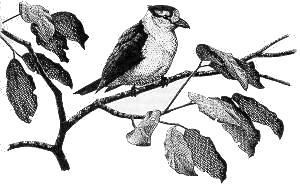
Cuckoo Shrike,©Jan Wilczur |
|
11 Dec Re: Spotting Scope Advice [William Duncan ] 11 Dec Spotting Scope Advice [Scott Laurent ] 11 Dec Bonaparte's Gull in Forest Park [Chris Ferree ] 11 Dec Bald Eagle in Forest Park [Chris Ferree ] 11 Dec Pine Siskins 12/11/07 [Margy Terpstra ] 11 Dec Re: Announcing an ASM State Birding Day; January 19, 2008; Riverlands Migratory Bird Sanctuary and Nearby Environs ["Patrick Harrison (Home)" ] 11 Dec Carroll Co feeder birds [June ] 11 Dec Announcing an ASM State Birding Day; January 19, 2008; Riverlands Migratory Bird Sanctuary and Nearby Environs ["Patrick Harrison (Home)" ] 11 Dec NYT ARTICLE ON BIRDS AND PREDATORS [] 11 Dec Poplar Bluff Christmas Bird County January 5 [Bruce Beck ] 11 Dec Eastern Screech Owl Behavior [chris barrigar ] 11 Dec Eastern Screech Owl Behavior [chris barrigar ] 11 Dec Eastern Screech Owl Behavior [chris barrigar ] 10 Dec Bald Eagles [Pat Keil ] 10 Dec Baltimore Oriole, Vernon County [Greg Swick ] 10 Dec Re: Forest Park Birds, Friday 12/7/07 [Chris Ferree ] 10 Dec Christmas bird count [Lester Pannell ] 10 Dec jaeger horseshoe lake Monday - yes [Charlene and Jim Malone ] 10 Dec Re: In my Kirkwood yard, 12/10/07 [Larry Lade ] 10 Dec In my Kirkwood yard, 12/10/07 [Margy Terpstra ] 10 Dec Re: Yard feeding -- rats [Margy Terpstra ] 10 Dec Re: Feeders and seed preferences ["Patrick Harrison (Home)" ] 10 Dec POJA on Monday? [Chris Hagenlocher ] 10 Dec Re: Feeders and seed preferences [STEVE GRIFFAW ] 10 Dec Yard feeding -- rats [Robert Fisher ] 10 Dec Re: Easy high energy food [Robert Fisher ] 10 Dec my feeders and the icy weather [Deb Reinwald ] 10 Dec Easy high energy food [Edge ] 10 Dec Feeders and seed preferences [Margy Terpstra ] 9 Dec Celebrating Life birds [Charlene and Jim Malone ] 9 Dec Unusual Feeder Bird [Julie Lundsted ] 9 Dec Red-throated Loon @ Smithville Lake 12/9 [Kristi Mayo ] 10 Dec Bootheel Northern Shrike - NO, 12/9/07, Mississippi Co. [chris barrigar ] 9 Dec water [Joyce Rosson ] 9 Dec feeder birds [Joyce Rosson ] 9 Dec HSL Pomarine Sunday [Charlene and Jim Malone ] 9 Dec Re: Yard Birds [chrispcritter ] 9 Dec Re: Food vs. Water [Linda Frederick ] 9 Dec POJA and prob. PALO HSL, IL 12/9/07 [Charlene and Jim Malone ] 9 Dec In my Kirkwood yard, 12/9/07 [Margy Terpstra ] 9 Dec Re: Forest Park Birds, Friday 12/7/07 [Sherry McCowan ] 9 Dec Forest Park Birds, Friday 12/7/07 [Sherry McCowan ] 9 Dec Re: Yard Birds [Mark Gutchen ] 9 Dec Re: Food vs. Water [Margy Terpstra ] 9 Dec Feed the birds [Kathleen Anderson ] 9 Dec Food vs. Water ["Patrick Harrison (Home)" ] 9 Dec Pomarine Jaeger Saturday at Horseshoe Lake [Pat Lueders ] 8 Dec Long-eared Owl, Chillicothe, Livingston Co. [Dianne & Steve Kinder ] 8 Dec Directions to Borrow Pits, POJA, Madison co., IL [Charlene and Jim Malone ] 8 Dec HSL/Borrow pits, Madison co, IL POMARINE Jaeger [Charlene and Jim Malone ] 8 Dec CBCs ["Patrick Harrison (Home)" ] 8 Dec Re: Yard Birds [Pam Birdsong ] INFO 11 Dec <a href="#"> Re: Spotting Scope Advice</a> [William Duncan ] <br> Subject: Re: Spotting Scope Advice From: William Duncan <ceibatree AT GMAIL.COM> Date: Tue, 11 Dec 2007 21:18: Scott, I recently purchased this model "Vortex Skyline ED 20-60x80 Angled Spotting Scope". I have been very much pleased with it. My only problem with it is that the advertised eye-relief is way-off. It must be a typo. They advertise a 19-18mm across the zoom distance, but this is not correct. But, oh-well, I guess I just have to take my glasses off when I zoom. Other than that, I feel that this product is definitely one of the best value for the money scopes you can find, and I'd buy it again. Bill On Dec 11, 2007 4:49 PM, Scott LaurentINFO 11 Dec <a href="#"> Spotting Scope Advice</a> [Scott Laurent ] <br> Subject: Spotting Scope Advice From: Scott Laurent <kconafly AT YAHOO.COM> Date: Tue, 11 Dec 2007 14:49: I'm interested in a spotting scope and have been impressed with the Vortex
binoculars I recently purchased. Does anyone have any experience they are
willing to share with the spotting scopes such as the Skyline or the Stokes
Sandpiper.
Thanks.
Scott Laurent
---------------------------------
Never miss a thing. Make Yahoo your homepage.
__________________________________________________
###########################################################
* Audubon Society of Missouri's *
* Wild Bird Discussion Forum *
*---------------------------------------------------------*
* To subscribe or unsubscribe, click here: *
* https://po.missouri.edu/cgi-bin/wa?SUBED1=mobirds-l&A=1 *
*---------------------------------------------------------*
* To access the list archives, click here: *
* http://po.missouri.edu/archives/mobirds-l.html *
* *
* To access the Audubon Society of Missouri Web *
* Site: http://mobirds.org *
###########################################################
INFO 11 Dec <a href="#"> Bonaparte's Gull in Forest Park </a> [Chris Ferree ] <br>
Subject: Bonaparte's Gull in Forest Park From: Chris Ferree <oaksavanna2000 AT YAHOO.COM> Date: Tue, 11 Dec 2007 14:24: Turning out to be a good day here in the park. A Bonaparte’s Gull (first winter plumage) is hanging out in Post Dispatch Lake by the Boathouse, along with the Bald Eagle flying overhead, two Red Tails, and a Ring-Billed Gull. I believe the Bonaparte’s is a new record for Forest Park. Chris Ferree Nature Reserve Tech Forest Park Forever __________________________________________________ ########################################################### * Audubon Society of Missouri's * * Wild Bird Discussion Forum * *---------------------------------------------------------* * To subscribe or unsubscribe, click here: * * https://po.missouri.edu/cgi-bin/wa?SUBED1=mobirds-l&A=1 * *---------------------------------------------------------* * To access the list archives, click here: * * http://po.missouri.edu/archives/mobirds-l.html * * * * To access the Audubon Society of Missouri Web * * Site: http://mobirds.org * ###########################################################INFO 11 Dec <a href="#"> Bald Eagle in Forest Park</a> [Chris Ferree ] <br> Subject: Bald Eagle in Forest Park From: Chris Ferree <oaksavanna2000 AT YAHOO.COM> Date: Tue, 11 Dec 2007 13:12: Toady at 1 P.M. a lone Bald Eagle was spotted in the large cottonwoods between the Boathouse and the Visitor Center (South Side of the Twin Lots parking area). It has been flying around between this area and Wildlife Island (Post Dispatch Lake). Chris Ferree Nature reserve Tech Forest Park Forever __________________________________________________ ########################################################### * Audubon Society of Missouri's * * Wild Bird Discussion Forum * *---------------------------------------------------------* * To subscribe or unsubscribe, click here: * * https://po.missouri.edu/cgi-bin/wa?SUBED1=mobirds-l&A=1 * *---------------------------------------------------------* * To access the list archives, click here: * * http://po.missouri.edu/archives/mobirds-l.html * * * * To access the Audubon Society of Missouri Web * * Site: http://mobirds.org * ###########################################################INFO 11 Dec <a href="#"> Pine Siskins 12/11/07</a> [Margy Terpstra ] <br> Subject: Pine Siskins 12/11/07 From: Margy Terpstra <ladybirdterp AT SBCGLOBAL.NET> Date: Tue, 11 Dec 2007 12:25: Pine Siskins have been showing up like clockwork this morning a few minutes before every hour. and noon, 18 at the highest in number. Margy Terpstra Kirkwood, St. Louis County, MO ladybirdterp AT sbcglobal.net __________________________________________________ ########################################################### * Audubon Society of Missouri's * * Wild Bird Discussion Forum * *---------------------------------------------------------* * To subscribe or unsubscribe, click here: * * https://po.missouri.edu/cgi-bin/wa?SUBED1=mobirds-l&A=1 * *---------------------------------------------------------* * To access the list archives, click here: * * http://po.missouri.edu/archives/mobirds-l.html * * * * To access the Audubon Society of Missouri Web * * Site: http://mobirds.org * ###########################################################INFO 11 Dec <a href="#"> Re: Announcing an ASM State Birding Day; January 19, 2008; Riverlands Migratory Bird Sanctuary and Nearby Environs</a> ["Patrick Harrison (Home)" ] <br> Subject: Re: Announcing an ASM State Birding Day; January 19, 2008; Riverlands Migratory Bird Sanctuary and Nearby Environs From: "Patrick Harrison (Home)" <saxman AT MARKTWAIN.NET> Date: Tue, 11 Dec 2007 11:27: START TIME IS 9:00 a.m. at the Visitor Center... Sorry for the obvious lack of consistency! 9:00 a.m. it IS! Patrick _____ From: Patrick Harrison (Home) [mailto:saxman AT marktwain.net] Sent: Tuesday, December 11, 2007 11:01 AM To: 'MOBIRDS-L AT PO.MISSOURI.EDU' Subject: Announcing an ASM State Birding Day; January 19, 2008; Riverlands Migratory Bird Sanctuary and Nearby Environs ********************** ASM State Birding Day The Audubon Society of Missouri invites all to participate in a birding day at Riverlands Migratory Bird Sanctuary (RMBS) in West Alton, Missouri on January 19th, 2008. ASM membership is NOT required. Meet at the visitors center at 8:00 a.m. RMBS is best in January WHEN it is COLD. So, we hope for COLD weather! If cold, dress VERY warm as the winds coming off the water can be significantly colder than air temperature! Tentative itinerary for the day: Meet at the RMBS Visitor Center at 9 a.m. Bird the area (including Lincoln Shields) AND the Illinois side (Barge Terminal, etc.) Bird this area through 11 a.m. or so. Move to Columbia Bottom. Bird till 2:30 p.m. or so and then return to RMBS for the gull roost / dark. Bring your FRS Radios tuned to 11/22. If we separate into smaller groups for logistical reasons, we can keep in touch with the radios. Leaders will use radios and cell phones to keep in contact with one another and update the various smaller groups as to what is being seen, when and where! Bird Possibilities: Thayer's, Iceland, Glaucous, Lesser Black-backed Gulls, Pipits, Snow Buntings, Raptors, Scoters, ?????? ********************** Patrick :ASM::::ASM::::ASM::::ASM::::ASM::::ASM: * * * Patrick Harrison * * Shelbyville, Shelby County, Missouri * * saxman AT marktwain.net A * pharrison AT hannibal.k12.mo.us S * webmaster AT mobirds.org M * http://mobirds.org * * http://www.patrickdharrison.com A * ,_ S * >' ) M * ( ( \ * * "|\ * * * *****The Audubon Society of Missouri**** __________________________________________________ ########################################################### * Audubon Society of Missouri's * * Wild Bird Discussion Forum * *---------------------------------------------------------* * To subscribe or unsubscribe, click here: * * https://po.missouri.edu/cgi-bin/wa?SUBED1=mobirds-l&A=1 * *---------------------------------------------------------* * To access the list archives, click here: * * http://po.missouri.edu/archives/mobirds-l.html * * * * To access the Audubon Society of Missouri Web * * Site: http://mobirds.org * ###########################################################INFO 11 Dec <a href="#"> Carroll Co feeder birds</a> [June ] <br> Subject: Carroll Co feeder birds From: June <june AT BINMAIL.NET> Date: Tue, 11 Dec 2007 11:17: My feeders are busy with the usual goldfinch and DE Junco mix but today there is a Harris's Sparrow besides the White Crowned Sparrows that moved in from the hedgerows with the snow a few days ago. I'm enjoying side by side looks at Purple Finches and House Finches. Here our temperature is 33, so the ice layer is not getting thicker in spite of intermittent rain. June Newman Carroll County __________________________________________________ ########################################################### * Audubon Society of Missouri's * * Wild Bird Discussion Forum * *---------------------------------------------------------* * To subscribe or unsubscribe, click here: * * https://po.missouri.edu/cgi-bin/wa?SUBED1=mobirds-l&A=1 * *---------------------------------------------------------* * To access the list archives, click here: * * http://po.missouri.edu/archives/mobirds-l.html * * * * To access the Audubon Society of Missouri Web * * Site: http://mobirds.org * ###########################################################INFO 11 Dec <a href="#"> Announcing an ASM State Birding Day; January 19, 2008; Riverlands Migratory Bird Sanctuary and Nearby Environs</a> ["Patrick Harrison (Home)" ] <br> Subject: Announcing an ASM State Birding Day; January 19, 2008; Riverlands Migratory Bird Sanctuary and Nearby Environs From: "Patrick Harrison (Home)" <saxman AT MARKTWAIN.NET> Date: Tue, 11 Dec 2007 11:00: ********************** ASM State Birding Day The Audubon Society of Missouri invites all to participate in a birding day at Riverlands Migratory Bird Sanctuary (RMBS) in West Alton, Missouri on January 19th, 2008. ASM membership is NOT required. Meet at the visitors center at 8:00 a.m. RMBS is best in January WHEN it is COLD. So, we hope for COLD weather! If cold, dress VERY warm as the winds coming off the water can be significantly colder than air temperature! Tentative itinerary for the day: Meet at the RMBS Visitor Center at 9 a.m. Bird the area (including Lincoln Shields) AND the Illinois side (Barge Terminal, etc.) Bird this area through 11 a.m. or so. Move to Columbia Bottom. Bird till 2:30 p.m. or so and then return to RMBS for the gull roost / dark. Bring your FRS Radios tuned to 11/22. If we separate into smaller groups for logistical reasons, we can keep in touch with the radios. Leaders will use radios and cell phones to keep in contact with one another and update the various smaller groups as to what is being seen, when and where! Bird Possibilities: Thayer's, Iceland, Glaucous, Lesser Black-backed Gulls, Pipits, Snow Buntings, Raptors, Scoters, ?????? ********************** Patrick :ASM::::ASM::::ASM::::ASM::::ASM::::ASM: * * * Patrick Harrison * * Shelbyville, Shelby County, Missouri * * saxman AT marktwain.net A * pharrison AT hannibal.k12.mo.us S * webmaster AT mobirds.org M * http://mobirds.org * * http://www.patrickdharrison.com A * ,_ S * >' ) M * ( ( \ * * "|\ * * * *****The Audubon Society of Missouri**** __________________________________________________ ########################################################### * Audubon Society of Missouri's * * Wild Bird Discussion Forum * *---------------------------------------------------------* * To subscribe or unsubscribe, click here: * * https://po.missouri.edu/cgi-bin/wa?SUBED1=mobirds-l&A=1 * *---------------------------------------------------------* * To access the list archives, click here: * * http://po.missouri.edu/archives/mobirds-l.html * * * * To access the Audubon Society of Missouri Web * * Site: http://mobirds.org * ###########################################################INFO 11 Dec <a href="#"> NYT ARTICLE ON BIRDS AND PREDATORS</a> [] <br> Subject: NYT ARTICLE ON BIRDS AND PREDATORS From: Silverystreak AT AOL.COM Date: Tue, 11 Dec 2007 11:40:22 EST Nice short article that you all may enjoy on an icy day. _http://www.nytimes.com/2007/12/11/science/11obprey.html?_r=1&th&emc=th&oref=s login_ (http://www.nytimes.com/2007/12/11/science/11obprey.html?_r=1&th&emc=th&oref=slogin) helen hewins overland park, ks 66212 **************************************See AOL's top rated recipes (http://food.aol.com/top-rated-recipes?NCID=aoltop00030000000004) __________________________________________________ ########################################################### * Audubon Society of Missouri's * * Wild Bird Discussion Forum * *---------------------------------------------------------* * To subscribe or unsubscribe, click here: * * https://po.missouri.edu/cgi-bin/wa?SUBED1=mobirds-l&A=1 * *---------------------------------------------------------* * To access the list archives, click here: * * http://po.missouri.edu/archives/mobirds-l.html * * * * To access the Audubon Society of Missouri Web * * Site: http://mobirds.org * ###########################################################INFO 11 Dec <a href="#"> Poplar Bluff Christmas Bird County January 5</a> [Bruce Beck ] <br> Subject: Poplar Bluff Christmas Bird County January 5 From: Bruce Beck <beckbugs AT SEMO.NET> Date: Tue, 11 Dec 2007 07:52: The Poplar Bluff Christmas Bird Count will be Saturday, January 5. See http://www.mobirds.org/CBC/CBCSchedule.asp for details. The Poplar Bluff count covers a wide variety of habitats, from town to rural, flat cropland, upland pastures and forest, old growth and new growth, riverside, ponds. All are welcome. Bruce Beck beckbugs AT semo.net __________________________________________________ ########################################################### * Audubon Society of Missouri's * * Wild Bird Discussion Forum * *---------------------------------------------------------* * To subscribe or unsubscribe, click here: * * https://po.missouri.edu/cgi-bin/wa?SUBED1=mobirds-l&A=1 * *---------------------------------------------------------* * To access the list archives, click here: * * http://po.missouri.edu/archives/mobirds-l.html * * * * To access the Audubon Society of Missouri Web * * Site: http://mobirds.org * ###########################################################INFO 11 Dec <a href="#"> Eastern Screech Owl Behavior</a> [chris barrigar ] <br> Subject: Eastern Screech Owl Behavior From: chris barrigar <chrisbarrigar AT HOTMAIL.COM> Date: Tue, 11 Dec 2007 05:13:41 +0000 Let's try this again: After playing racquetball as I was leaving the P.A.R.C. next to the hospital in Poplar bluff this evening, I overheard three girls (sisters) talking about a "baby owl" they had seen outside in front of the building. Knowing it was not the time of year for babies, I asked and they showed me where they saw it. My suspicions were confirmed; it was a Screecher - a beautiful rufous colored one. I showed them, their mother and father the owl in Sibley's guide, that it was in fact an adult that we were watching. I tried to answer their fast questions as best I could. It's always fun when others get excited about nature! It didn't move from its spot - directly beside a trunk of a two inch diameter sapling. When it began pecking at its claws, I though it may have a vole or shrew. I couldn't have been more wrong. It had a bird. I'm guessing it was a House Sparrow. A birding friend and pastor in Michigan mentioned that one cold, snowy winter night as he was leaving the hospital after visiting a congregation member, he witnessed a screech owl perched atop a light that was under the walkway awning. He deduced that it could be to gain warmth from the light and/or to keep an eye on the House Sparrows that were bouncing around in the shrub shadows. It would seem that this might me a universal behavior - using the well lit hospital property as hunting grounds, as the House Sparrows don't seem to roost at night around well lit areas. Just thought I'd share the neat evening experience with the owl's possibly universal behavior near and around well lit buildings and areas! Good birding! Chris Barrigarhttp://community.webshots.com/user/photosbychris http://community.webshots.com/user/photosbychris1 _________________________________________________________________ Share life as it happens with the new Windows Live.Download today it's FREE! http://www.windowslive.com/share.html?ocid=TXT_TAGLM_Wave2_sharelife_112007 __________________________________________________ ########################################################### * Audubon Society of Missouri's * * Wild Bird Discussion Forum * *---------------------------------------------------------* * To subscribe or unsubscribe, click here: * * https://po.missouri.edu/cgi-bin/wa?SUBED1=mobirds-l&A=1 * *---------------------------------------------------------* * To access the list archives, click here: * * http://po.missouri.edu/archives/mobirds-l.html * * * * To access the Audubon Society of Missouri Web * * Site: http://mobirds.org * ###########################################################INFO 11 Dec <a href="#"> Eastern Screech Owl Behavior</a> [chris barrigar ] <br> Subject: Eastern Screech Owl Behavior From: chris barrigar <chrisbarrigar AT HOTMAIL.COM> Date: Tue, 11 Dec 2007 05:13:33 +0000 Let's try this again: After playing racquetball as I was leaving the P.A.R.C. next to the hospital in Poplar bluff this evening, I overheard three girls (sisters) talking about a "baby owl" they had seen outside in front of the building. Knowing it was not the time of year for babies, I asked and they showed me where they saw it. My suspicions were confirmed; it was a Screecher - a beautiful rufous colored one. I showed them, their mother and father the owl in Sibley's guide, that it was in fact an adult that we were watching. I tried to answer their fast questions as best I could. It's always fun when others get excited about nature! It didn't move from its spot - directly beside a trunk of a two inch diameter sapling. When it began pecking at its claws, I though it may have a vole or shrew. I couldn't have been more wrong. It had a bird. I'm guessing it was a House Sparrow. A birding friend and pastor in Michigan mentioned that one cold, snowy winter night as he was leaving the hospital after visiting a congregation member, he witnessed a screech owl perched atop a light that was under the walkway awning. He deduced that it could be to gain warmth from the light and/or to keep an eye on the House Sparrows that were bouncing around in the shrub shadows. It would seem that this might me a universal behavior - using the well lit hospital property as hunting grounds, as the House Sparrows don't seem to roost at night around well lit areas. Just thought I'd share the neat evening experience with the owl's possibly universal behavior near and around well lit buildings and areas! Good birding! Chris Barrigarhttp://community.webshots.com/user/photosbychris http://community.webshots.com/user/photosbychris1 _________________________________________________________________ Your smile counts. The more smiles you share, the more we donate.� Join in. www.windowslive.com/smile?ocid=TXT_TAGLM_Wave2_oprsmilewlhmtagline __________________________________________________ ########################################################### * Audubon Society of Missouri's * * Wild Bird Discussion Forum * *---------------------------------------------------------* * To subscribe or unsubscribe, click here: * * https://po.missouri.edu/cgi-bin/wa?SUBED1=mobirds-l&A=1 * *---------------------------------------------------------* * To access the list archives, click here: * * http://po.missouri.edu/archives/mobirds-l.html * * * * To access the Audubon Society of Missouri Web * * Site: http://mobirds.org * ###########################################################INFO 11 Dec <a href="#"> Eastern Screech Owl Behavior</a> [chris barrigar ] <br> Subject: Eastern Screech Owl Behavior From: chris barrigar <chrisbarrigar AT HOTMAIL.COM> Date: Tue, 11 Dec 2007 04:00:20 +0000 _________________________________________________________________ Your smile counts. The more smiles you share, the more we donate.� Join in. www.windowslive.com/smile?ocid=TXT_TAGLM_Wave2_oprsmilewlhmtagline __________________________________________________ ########################################################### * Audubon Society of Missouri's * * Wild Bird Discussion Forum * *---------------------------------------------------------* * To subscribe or unsubscribe, click here: * * https://po.missouri.edu/cgi-bin/wa?SUBED1=mobirds-l&A=1 * *---------------------------------------------------------* * To access the list archives, click here: * * http://po.missouri.edu/archives/mobirds-l.html * * * * To access the Audubon Society of Missouri Web * * Site: http://mobirds.org * ###########################################################INFO 10 Dec <a href="#"> Bald Eagles</a> [Pat Keil ] <br> Subject: Bald Eagles From: Pat Keil <pmkandjk AT YAHOO.COM> Date: Mon, 10 Dec 2007 21:38: I have to tell you I got out of my car today after going to the store and I saw these big birds flying over so I got my camera and focused in and they were Bald Eagles. I live out on a farm and it just made my day to see these beautiful Birds fly over. I did get a couple shots of them. I have about 20 Cardinals in my back yard everyday and a couple blue jays. I also have a couple doves and a lot of Juncos. Pat Keil __________________________________________________ ########################################################### * Audubon Society of Missouri's * * Wild Bird Discussion Forum * *---------------------------------------------------------* * To subscribe or unsubscribe, click here: * * https://po.missouri.edu/cgi-bin/wa?SUBED1=mobirds-l&A=1 * *---------------------------------------------------------* * To access the list archives, click here: * * http://po.missouri.edu/archives/mobirds-l.html * * * * To access the Audubon Society of Missouri Web * * Site: http://mobirds.org * ###########################################################INFO 10 Dec <a href="#"> Baltimore Oriole, Vernon County</a> [Greg Swick ] <br> Subject: Baltimore Oriole, Vernon County From: Greg Swick <grswick AT CEBRIDGE.NET> Date: Mon, 10 Dec 2007 15:57: Hi all, I received this email today from Ron Thompson of Bronaugh, Missouri, Vernon County. Ron said: "Baltimore Oriole 2nd sighting. Today 12/10/07 at 10 am I saw an oriole on the back porch. I put out a grapefruit , bacon fat & crumbs & it HAS eaten all day. He is in cat danger but he was hungry enough to come up 6' from me. I took a few pictures for ID. I was another adult male, if not the same one I saw in Nov.. Ron Thompson We are covered up in the ice storm." Greg Swick Christian County __________________________________________________ ########################################################### * Audubon Society of Missouri's * * Wild Bird Discussion Forum * *---------------------------------------------------------* * To subscribe or unsubscribe, click here: * * https://po.missouri.edu/cgi-bin/wa?SUBED1=mobirds-l&A=1 * *---------------------------------------------------------* * To access the list archives, click here: * * http://po.missouri.edu/archives/mobirds-l.html * * * * To access the Audubon Society of Missouri Web * * Site: http://mobirds.org * ###########################################################INFO 10 Dec <a href="#"> Re: Forest Park Birds, Friday 12/7/07</a> [Chris Ferree ] <br> Subject: Re: Forest Park Birds, Friday 12/7/07 From: Chris Ferree <oaksavanna2000 AT YAHOO.COM> Date: Mon, 10 Dec 2007 15:57: This morning a miss on the orange-crowned warbler at the Victorian Bridge but did catch 3 gadwall at Stienburg and lots of song and white-throated sparrows Chris Ferree Nature Reserve Tech Forest Park Forever St Louis, MO __________________________________________________ ########################################################### * Audubon Society of Missouri's * * Wild Bird Discussion Forum * *---------------------------------------------------------* * To subscribe or unsubscribe, click here: * * https://po.missouri.edu/cgi-bin/wa?SUBED1=mobirds-l&A=1 * *---------------------------------------------------------* * To access the list archives, click here: * * http://po.missouri.edu/archives/mobirds-l.html * * * * To access the Audubon Society of Missouri Web * * Site: http://mobirds.org * ###########################################################INFO 10 Dec <a href="#"> Christmas bird count</a> [Lester Pannell ] <br> Subject: Christmas bird count From: Lester Pannell <pannell2 AT WEBOUND.COM> Date: Mon, 10 Dec 2007 14:41: The laclede county Christmas bird count will be held Saturday, December 15. Lester Pannell __________________________________________________ ########################################################### * Audubon Society of Missouri's * * Wild Bird Discussion Forum * *---------------------------------------------------------* * To subscribe or unsubscribe, click here: * * https://po.missouri.edu/cgi-bin/wa?SUBED1=mobirds-l&A=1 * *---------------------------------------------------------* * To access the list archives, click here: * * http://po.missouri.edu/archives/mobirds-l.html * * * * To access the Audubon Society of Missouri Web * * Site: http://mobirds.org * ###########################################################INFO 10 Dec <a href="#"> jaeger horseshoe lake Monday - yes</a> [Charlene and Jim Malone ] <br> Subject: jaeger horseshoe lake Monday - yes From: Charlene and Jim Malone <2bbirdn AT CHARTER.NET> Date: Mon, 10 Dec 2007 14:28: Msg from Frank Holmes IL bird. Charlene Malone St. Louis co. ----- Original Message ----- From: Frank Holmes To: Charlene and Jim Malone Sent: Monday, December 10, 2007 2:23 PM Subject: Re: Fw: jaeger horseshoe lake POJA is present at the borrow pits from 9:30 to 2:00 today (12-10). __________________________________________________ ########################################################### * Audubon Society of Missouri's * * Wild Bird Discussion Forum * *---------------------------------------------------------* * To subscribe or unsubscribe, click here: * * https://po.missouri.edu/cgi-bin/wa?SUBED1=mobirds-l&A=1 * *---------------------------------------------------------* * To access the list archives, click here: * * http://po.missouri.edu/archives/mobirds-l.html * * * * To access the Audubon Society of Missouri Web * * Site: http://mobirds.org * ###########################################################INFO 10 Dec <a href="#"> Re: In my Kirkwood yard, 12/10/07</a> [Larry Lade ] <br> Subject: Re: In my Kirkwood yard, 12/10/07 From: Larry Lade <gcrownkinglet AT YAHOO.COM> Date: Mon, 10 Dec 2007 12:10: Today at our feeder we had: Red-bellied Woodpecker Downy Woodpecker Blue Jay Red-breasted Nuthatch White-breasted Nuthatch Carolina Wren Dark-eyed Junco Northern Cardinal House Finch American Goldfinch House Sparrow Still no Pine Siskin, Purple Finch, Evening Grosbeak or any of the other "hoped for" birds. ** We have black oil sunflower seed (in the hull), peanuts (with out shell), nyger seed and raw suet feeders. We have not been bothered with starlings or grackles, but do get quite a few House Sparrows. The two Carolina Wrens are particularly fond of the peanuts and the suet. The Red-breasted Nuthatches have been here daily for over a month now. They generally go for the peanut feeder, but if it is "in use" by a wren, White-breasted Nuthatch, Downy or Red-bellied Woodpecker they will go and get a sunflower seed. Margy TerpstraINFO 10 Dec <a href="#"> In my Kirkwood yard, 12/10/07</a> [Margy Terpstra ] <br> Subject: In my Kirkwood yard, 12/10/07 From: Margy Terpstra <ladybirdterp AT SBCGLOBAL.NET> Date: Mon, 10 Dec 2007 13:40: About 10:15, a surge in the number of Pine Siskins! I had 10 at each feeder, 4 at the bubbler, and 10 on the ground around the pond! 34+ or - for a record high number here. Still waiting on Purple Finches and Evening Grosbeaks. Margy Terpstra Kirkwood, St. Louis County, MO ladybirdterp AT sbcglobal.net __________________________________________________ ########################################################### * Audubon Society of Missouri's * * Wild Bird Discussion Forum * *---------------------------------------------------------* * To subscribe or unsubscribe, click here: * * https://po.missouri.edu/cgi-bin/wa?SUBED1=mobirds-l&A=1 * *---------------------------------------------------------* * To access the list archives, click here: * * http://po.missouri.edu/archives/mobirds-l.html * * * * To access the Audubon Society of Missouri Web * * Site: http://mobirds.org * ###########################################################INFO 10 Dec <a href="#"> Re: Yard feeding -- rats</a> [Margy Terpstra ] <br> Subject: Re: Yard feeding -- rats From: Margy Terpstra <ladybirdterp AT SBCGLOBAL.NET> Date: Mon, 10 Dec 2007 13:37: You need say no more to me, Bob!! I've had field mice, voles, moles, raccoons, chipmunks, opossum, fox and coyote. Have never seen a rat, but, as you say, they are nocturnal. The scattering of seed and hulls by the starlings was always an issue for cleaning up. Just had about 6 come in awhile ago - they discovered the peanut feeders. They waste so much - at least the ground feeding birds can get to it today since we haven't had as much icing as we might. Margy Terpstra Kirkwood, St. Louis Co., MO ladybirdterp AT sbcglobal.net ----- Original Message ----- From: "Robert Fisher"INFO 10 Dec <a href="#"> Re: Feeders and seed preferences</a> ["Patrick Harrison (Home)" ] <br> Subject: Re: Feeders and seed preferences From: "Patrick Harrison (Home)" <saxman AT MARKTWAIN.NET> Date: Mon, 10 Dec 2007 13:25: I feed strictly Black-oil Sunflower Seeds (in the hull)... I rarely see starlings as there's ample grain spillage around for them! My big problem and it isn't as big anymore is/was house sparrows... Farms tend to attrack the critters by the hundreds (grain spillage...) I use monofilament fishing line on my feeders and this keeps the sparrows on the ground and leaves the feeders for the other birds! It really works for me!!!!! Patrick -----Original Message----- From: MO Wild Bird Forum [mailto:MOBIRDS-L AT PO.MISSOURI.EDU] On Behalf Of Margy Terpstra Sent: Monday, December 10, 2007 9:17 AM To: MOBIRDS-L AT PO.MISSOURI.EDU Subject: Feeders and seed preferences After too many grackles and starlings dominating feeders a few years ago, we stopped feeding black oil sunflower seed. I tried mixing in some again and, bingo, blackbirds knew right away. Still have the occasional blackbirds and Blue Jays. So, we now have the following feeders up and being used by a good variety of birds: Safflower - 3 small feeders in front yard, 4 in back yard Peanut - 1 in back Safflower/peanut - 1 in back Suet- 2 in back Thistle/niger - 2 in back Just wondered if others have gone this route? It has managed to discourage the bullies. Margy Terpstra Kirkwood, St. Louis County, MO ladybirdterp AT sbcglobal.net __________________________________________________ ########################################################### * Audubon Society of Missouri's * * Wild Bird Discussion Forum * *---------------------------------------------------------* * To subscribe or unsubscribe, click here: * * https://po.missouri.edu/cgi-bin/wa?SUBED1=mobirds-l&A=1 * *---------------------------------------------------------* * To access the list archives, click here: * * http://po.missouri.edu/archives/mobirds-l.html * * * * To access the Audubon Society of Missouri Web * * Site: http://mobirds.org * ########################################################### __________________________________________________ ########################################################### * Audubon Society of Missouri's * * Wild Bird Discussion Forum * *---------------------------------------------------------* * To subscribe or unsubscribe, click here: * * https://po.missouri.edu/cgi-bin/wa?SUBED1=mobirds-l&A=1 * *---------------------------------------------------------* * To access the list archives, click here: * * http://po.missouri.edu/archives/mobirds-l.html * * * * To access the Audubon Society of Missouri Web * * Site: http://mobirds.org * ###########################################################INFO 10 Dec <a href="#"> POJA on Monday?</a> [Chris Hagenlocher ] <br> Subject: POJA on Monday? From: Chris Hagenlocher <missouribirdman AT YAHOO.COM> Date: Mon, 10 Dec 2007 10:50: Has anybody relocated the Pomarine Jaeger today? I'm trying to decide whether
it is worth making the trip out to see it today before I go to Texas tomorrow
morning.
Thanks,
Christian Hagenlocher
Wildwood, MO
---------------------------------
Never miss a thing. Make Yahoo your homepage.
__________________________________________________
###########################################################
* Audubon Society of Missouri's *
* Wild Bird Discussion Forum *
*---------------------------------------------------------*
* To subscribe or unsubscribe, click here: *
* https://po.missouri.edu/cgi-bin/wa?SUBED1=mobirds-l&A=1 *
*---------------------------------------------------------*
* To access the list archives, click here: *
* http://po.missouri.edu/archives/mobirds-l.html *
* *
* To access the Audubon Society of Missouri Web *
* Site: http://mobirds.org *
###########################################################
INFO 10 Dec <a href="#"> Re: Feeders and seed preferences</a> [STEVE GRIFFAW ] <br>
Subject: Re: Feeders and seed preferencesFrom: STEVE GRIFFAW <sgriffaw AT PRODIGY.NET> Date: Mon, 10 Dec 2007 09:46: I have a Safflower feeder, one niger metal feeder, 2 socks, one Suet feeder where the birds have to hang upside down, and a cage for woodpecker cakes. On occassion a flock of Starlings will stop by and hover underneath the suit feeder and peck at it but they don't stay long. Last year they went after the woodpecker cakes but have not seen them there this year so far. At first House Sparrows ignored the Safflower feeder but they have adapted. Still, their visits are not frequent and overall the aggressive birds have not really been a problem in the yard. Steve Griffaw sgriffaw AT prodigy.net St Charles MO Margy TerpstraINFO 10 Dec <a href="#"> Yard feeding -- rats</a> [Robert Fisher ] <br> Subject: Yard feeding -- rats From: Robert Fisher <bobgfisher AT COMCAST.NET> Date: Mon, 10 Dec 2007 10:55: There is another reason to follow Margy Terpstra's formula -- avoidance of rats. Any feeding operation that puts food on the ground that remains uneaten at the end of the day invites rats to move in. Bullying species like Starlings and blackbirds not only eat a lot of food. They also scatter lots of it on the ground. I eventually limited feeding in our previous yard to a menu similar to Margy's (although I did not have as many feeders as she does). I had one feeder on a baffled pole with Safflower seeds in it, a hanging thistle feeder, a hanging peanut feeder and two suet feeders attached to a Hackberry Tree. That combination minimized attention from Starlings, blackbirds and squirrels and kept most of the usual backyard feeding birds around. I had two experiences with rats. On the first occaision, I was feeding all sorts of mixed seeds, and a couple of rats took up residence in my woodpile. I had to poison them and use up the wood. Once I limited my menu to those items mentioned above, I had no further trouble with rats near my feeders. I did, however, have a second experience with rats. My neighbor set up a feeder in the southwest corner of his yard next to the compost heap I kept in the northwest corner of my yard. The neighbor's feeder offered a mixture of the sort you buy in the super market, which included milo and other cheap filler stuff that enables sellers of the feed to make a nice profit. The neighbor's feeder attracted lots of Starlings and blackbirds, and lots of the filler feed scattered on the ground and remained uneaten. Rats made a home in my compost until I got the City Health Department out to poison them and tell my neighbor to shut down his feeder. Rats are nocturnal. I'll bet a lot of folks who feed birds have rats and do not know it. Bob Fisher Independence, Missouri bobgfisher AT comcast.net __________________________________________________ ########################################################### * Audubon Society of Missouri's * * Wild Bird Discussion Forum * *---------------------------------------------------------* * To subscribe or unsubscribe, click here: * * https://po.missouri.edu/cgi-bin/wa?SUBED1=mobirds-l&A=1 * *---------------------------------------------------------* * To access the list archives, click here: * * http://po.missouri.edu/archives/mobirds-l.html * * * * To access the Audubon Society of Missouri Web * * Site: http://mobirds.org * ###########################################################INFO 10 Dec <a href="#"> Re: Easy high energy food</a> [Robert Fisher ] <br> Subject: Re: Easy high energy food From: Robert Fisher <bobgfisher AT COMCAST.NET> Date: Mon, 10 Dec 2007 10:22: Story #1: I once bought several pounds of suet from the butcher for a few cents a pound (some butchers will give it to you) and ground it up in a meat grinder. The ground up suet looked like white worms. I fed it to a late Brown Thrasher and kept him in my yard all winter. Story #2: I used to attach wire mesh containers of suet to a Hackberry Tree in my yard. Woodpeckers, nuthatches, chickadees and occasionally starlings and jays would peck at and eat the suet. As the birds pecked at the suet, tiny flakes of it fell and landed in the tree's rough bark. That kept a Brown Creeper around. His bill was too slight to peck directly at the suet. But he found the flakes in the bark of the tree while looking for hibernating insects there. (If you have a creeper in your yard, you might try smearing suet paste or lard past in the crevasses of the bark of a tree. ) Bob Fisher Independence, Missouri bobgfisher AT comcast.net __________________________________________________ ########################################################### * Audubon Society of Missouri's * * Wild Bird Discussion Forum * *---------------------------------------------------------* * To subscribe or unsubscribe, click here: * * https://po.missouri.edu/cgi-bin/wa?SUBED1=mobirds-l&A=1 * *---------------------------------------------------------* * To access the list archives, click here: * * http://po.missouri.edu/archives/mobirds-l.html * * * * To access the Audubon Society of Missouri Web * * Site: http://mobirds.org * ###########################################################INFO 10 Dec <a href="#"> my feeders and the icy weather</a> [Deb Reinwald ] <br> Subject: my feeders and the icy weather From: Deb Reinwald <deb AT PTS-LLC.COM> Date: Mon, 10 Dec 2007 10:14: I have 23 feeders up, with about 8 of them being suet feeders. I have a big mix of birds coming to the feeders in spite of the recent influx of starlings. The way I figure it, they need to eat, too, and don't seem to be scaring anyone away. The red-bellied woodpecker swoops in for the suet feeders and all the starlings take a hike until he is done. I also have a big feeder with squirrel food in it to distract the squirrels. The squirrels, starlings and other birds at the feeders all seem to do OK so I am not trying to specifically exclude any of them, especially in this kind of weather. I have lattice around the bottom of my deck and several of the small birds like to "hang out" under the deck during this bad weather--juncos, house sparrows, white-crowned sparrows, Carolina wren. I put a pile of mixed seed right on the sidewalk, next to the lattice and that is very busy...with no starlings or jays. Had a couple MODO's come to the pile. I did try putting out a small cup attachment to the pole feeder with fresh cranberries in it. Wasn't much of a hit. Tried again with raisins and have seen several birds carying them off. By the way, as of yesterday, still had 2 RBNU's coming to the feeders and the pine siskins are hanging around. Water does seem to be a big attraction--I have a heater in my bird bath and it is pretty busy all the time. It is like a skating rink getting to the feeders right now... Deb Reinwald O'Fallon, MO St. Charles County __________________________________________________ ########################################################### * Audubon Society of Missouri's * * Wild Bird Discussion Forum * *---------------------------------------------------------* * To subscribe or unsubscribe, click here: * * https://po.missouri.edu/cgi-bin/wa?SUBED1=mobirds-l&A=1 * *---------------------------------------------------------* * To access the list archives, click here: * * http://po.missouri.edu/archives/mobirds-l.html * * * * To access the Audubon Society of Missouri Web * * Site: http://mobirds.org * ###########################################################INFO 10 Dec <a href="#"> Easy high energy food</a> [Edge ] <br> Subject: Easy high energy food From: Edge <edgew AT MCHSI.COM> Date: Mon, 10 Dec 2007 09:27: In these icy conditions the birds on my deck really chow down on this
mix:
Ingredients:
1/2 lb. of lard (comes in 1 pound bricks--our grocery store carries
Morrell Snow Cap Lard, light and dark blue box.)
2 cups cornmeal
about 1/2 cup cheap peanut butter
1 8 oz. Cool Whip
1 store-bought pumpkin pie
Directions:
Eat pumpkin pie and top generously with Cool Whip
melt lard in saucepan
pour melted lard over cornmeal and peanut butter in previously
emptied Cool Whip container
stir until mixed well
place in freezer to harden quickly, or in refrigerator for slow
hardening
Note: you can double the batch and put the second half in the empty
pie tin
Use:
Dab hunks of mix into hanging pine cone
or
flick bits onto deck/ground/platform feeder
or
put into empty plastic suet holder
or
slather on bark of tree
Birds enjoying this on my deck include: Carolina Wren, Red-breasted
Nuthatch, Red-bellied Woodpecker, Downy Woodpecker, White-breasted
Nuthatch, Dark-eyed Junco, Northern Cardinal, European Starling,
Susan's House Sparrows, Black-capped Chickadee, Tufted Titmouse,
Brown Creeper, Mourning Dove, American Robin, White-throated Sparrow.
Edge Wade
Columbia, MO
edgew AT mchsi.com
__________________________________________________
###########################################################
* Audubon Society of Missouri's *
* Wild Bird Discussion Forum *
*---------------------------------------------------------*
* To subscribe or unsubscribe, click here: *
* https://po.missouri.edu/cgi-bin/wa?SUBED1=mobirds-l&A=1 *
*---------------------------------------------------------*
* To access the list archives, click here: *
* http://po.missouri.edu/archives/mobirds-l.html *
* *
* To access the Audubon Society of Missouri Web *
* Site: http://mobirds.org *
###########################################################
INFO 10 Dec <a href="#"> Feeders and seed preferences</a> [Margy Terpstra ] <br>
Subject: Feeders and seed preferencesFrom: Margy Terpstra <ladybirdterp AT SBCGLOBAL.NET> Date: Mon, 10 Dec 2007 09:16: After too many grackles and starlings dominating feeders a few years ago, we stopped feeding black oil sunflower seed. I tried mixing in some again and, bingo, blackbirds knew right away. Still have the occasional blackbirds and Blue Jays. So, we now have the following feeders up and being used by a good variety of birds: Safflower - 3 small feeders in front yard, 4 in back yard Peanut - 1 in back Safflower/peanut - 1 in back Suet- 2 in back Thistle/niger - 2 in back Just wondered if others have gone this route? It has managed to discourage the bullies. Margy Terpstra Kirkwood, St. Louis County, MO ladybirdterp AT sbcglobal.net __________________________________________________ ########################################################### * Audubon Society of Missouri's * * Wild Bird Discussion Forum * *---------------------------------------------------------* * To subscribe or unsubscribe, click here: * * https://po.missouri.edu/cgi-bin/wa?SUBED1=mobirds-l&A=1 * *---------------------------------------------------------* * To access the list archives, click here: * * http://po.missouri.edu/archives/mobirds-l.html * * * * To access the Audubon Society of Missouri Web * * Site: http://mobirds.org * ###########################################################INFO 9 Dec <a href="#"> Celebrating Life birds</a> [Charlene and Jim Malone ] <br> Subject: Celebrating Life birds From: Charlene and Jim Malone <2bbirdn AT CHARTER.NET> Date: Sun, 9 Dec 2007 23:03: Another variation of the "Life Bird Dance"....? Charlene Malone St. Louis co. ----- Original Message ----- From: jv To: ILbirds AT yahoogroups.com Sent: Sunday, December 09, 2007 10:39 PM Subject: IBET Montrose Harbor Horned Grebes As ice crunched under my winter boots i swayed a smooth sway while the jazzy push and pull slide of my horn--the frosty air trombone--i did the lifebird dance. Today Sunday around 2pm two Horned Grebes. John Viramontes Cook County __________________________________________________ ########################################################### * Audubon Society of Missouri's * * Wild Bird Discussion Forum * *---------------------------------------------------------* * To subscribe or unsubscribe, click here: * * https://po.missouri.edu/cgi-bin/wa?SUBED1=mobirds-l&A=1 * *---------------------------------------------------------* * To access the list archives, click here: * * http://po.missouri.edu/archives/mobirds-l.html * * * * To access the Audubon Society of Missouri Web * * Site: http://mobirds.org * ###########################################################INFO 9 Dec <a href="#"> Unusual Feeder Bird</a> [Julie Lundsted ] <br> Subject: Unusual Feeder Bird From: Julie Lundsted <jlundste AT HOTMAIL.COM> Date: Sun, 9 Dec 2007 20:20: Extreme icing causes interesting feeder birds.... had an adult male yellow bellied sapsucker on a peanut feeder today. We've had them in th yard on trees, but have never seen them on a feeder. Spent quite a bit of time on the feeder eating peanuts. Julie Lundsted in a very icy Jefferson City __________________________________________________ ########################################################### * Audubon Society of Missouri's * * Wild Bird Discussion Forum * *---------------------------------------------------------* * To subscribe or unsubscribe, click here: * * https://po.missouri.edu/cgi-bin/wa?SUBED1=mobirds-l&A=1 * *---------------------------------------------------------* * To access the list archives, click here: * * http://po.missouri.edu/archives/mobirds-l.html * * * * To access the Audubon Society of Missouri Web * * Site: http://mobirds.org * ###########################################################INFO 9 Dec <a href="#"> Red-throated Loon @ Smithville Lake 12/9</a> [Kristi Mayo ] <br> Subject: Red-throated Loon @ Smithville Lake 12/9 From: Kristi Mayo <kristi AT WRITEBIRDS.COM> Date: Sun, 9 Dec 2007 20:14: Sorry to be slow in posting this... Doug Willis relocated the RED- THROATED LOON at Smithville Lake (Clay Co.) from Sailboat Cove this afternoon. He said he searched for the Common Redpoll for two hours with no luck. He also did not find the large flock of goldfinches that it associated with yesterday. Kristi Mayo Kearney MO (Clay Co.) kristi AT writebirds.com __________________________________________________ ########################################################### * Audubon Society of Missouri's * * Wild Bird Discussion Forum * *---------------------------------------------------------* * To subscribe or unsubscribe, click here: * * https://po.missouri.edu/cgi-bin/wa?SUBED1=mobirds-l&A=1 * *---------------------------------------------------------* * To access the list archives, click here: * * http://po.missouri.edu/archives/mobirds-l.html * * * * To access the Audubon Society of Missouri Web * * Site: http://mobirds.org * ###########################################################INFO 10 Dec <a href="#"> Bootheel Northern Shrike - NO, 12/9/07, Mississippi Co.</a> [chris barrigar ] <br> Subject: Bootheel Northern Shrike - NO, 12/9/07, Mississippi Co. From: chris barrigar <chrisbarrigar AT HOTMAIL.COM> Date: Mon, 10 Dec 2007 02:10:36 +0000 Having been out of town the last week, I decided I would try to relocate the "Bootheel" Northern Shrike that was posted earlier in the week having been seen south of Dorena, MO. I believe I found the fallow field that was referenced, but I was unable to locate the Northern Shrike. That's not to say that it isn't still there. Today's weather here in the bootheel area was heavy fog and mist off the mighty Mississip which later gave way to heavy rainfall. At times the fog/mist visibility was about 0.25 mile. . . I can't believe I let my wife talk me into leaving Florida two days early for this mess! I did locate a very active Loggerhead Shrike a little farther south of the "Dorena Northern Shrike sighting" at the intersection of 77 and A. The bird flew from the utility wire and into the disced field then back up into a scrubby tree. I approached with caution to find it tearing at a small rodent it had impaled on a thorn. Am. Kestrels were out in mass numbers - 44 total for the day (never driving the same roads). Good 'soggy' Birding! Chris Barrigar http://community.webshots.com/user/photosbychris http://community.webshots.com/user/photosbychris1 _________________________________________________________________ Your smile counts. The more smiles you share, the more we donate.� Join in. www.windowslive.com/smile?ocid=TXT_TAGLM_Wave2_oprsmilewlhmtagline __________________________________________________ ########################################################### * Audubon Society of Missouri's * * Wild Bird Discussion Forum * *---------------------------------------------------------* * To subscribe or unsubscribe, click here: * * https://po.missouri.edu/cgi-bin/wa?SUBED1=mobirds-l&A=1 * *---------------------------------------------------------* * To access the list archives, click here: * * http://po.missouri.edu/archives/mobirds-l.html * * * * To access the Audubon Society of Missouri Web * * Site: http://mobirds.org * ###########################################################INFO 9 Dec <a href="#"> water</a> [Joyce Rosson ] <br> Subject: water From: Joyce Rosson <motherswift AT MSN.COM> Date: Sun, 9 Dec 2007 18:31: Forgot to say: I have 2 heated dog food bowls of water for the birds. Joyce Rosson __________________________________________________ ########################################################### * Audubon Society of Missouri's * * Wild Bird Discussion Forum * *---------------------------------------------------------* * To subscribe or unsubscribe, click here: * * https://po.missouri.edu/cgi-bin/wa?SUBED1=mobirds-l&A=1 * *---------------------------------------------------------* * To access the list archives, click here: * * http://po.missouri.edu/archives/mobirds-l.html * * * * To access the Audubon Society of Missouri Web * * Site: http://mobirds.org * ###########################################################INFO 9 Dec <a href="#"> feeder birds</a> [Joyce Rosson ] <br> Subject: feeder birds From: Joyce Rosson <motherswift AT MSN.COM> Date: Sun, 9 Dec 2007 18:29: I had 16 Cardinals all at one time today. They kept coming off and on all day. Also 2 Blue Jays, 2 Harris Sparrows, Male and Female Red Bellies, 3 Ring Neck Doves, lots of other Sparrows, Starlings, and Downey Woodpeckers too. I had to fill 3 feeders 3 times! What a day, Joyce Rosson Holt, Mo. __________________________________________________ ########################################################### * Audubon Society of Missouri's * * Wild Bird Discussion Forum * *---------------------------------------------------------* * To subscribe or unsubscribe, click here: * * https://po.missouri.edu/cgi-bin/wa?SUBED1=mobirds-l&A=1 * *---------------------------------------------------------* * To access the list archives, click here: * * http://po.missouri.edu/archives/mobirds-l.html * * * * To access the Audubon Society of Missouri Web * * Site: http://mobirds.org * ###########################################################INFO 9 Dec <a href="#"> HSL Pomarine Sunday</a> [Charlene and Jim Malone ] <br> Subject: HSL Pomarine Sunday From: Charlene and Jim Malone <2bbirdn AT CHARTER.NET> Date: Sun, 9 Dec 2007 15:45: Jim and I saw the juvie, dark morph POMARINE JAEGER at 1:40 PM near the end of Layton Road/dredge at Horseshoe Lake, Madison co., IL. It hung around this area for 15 minutes or so. (dunking itself, getting up and circling the area and coming back down multiple times) Then headed back toward the borrow pits or part of lake nearer to the Railroad tracks. We saw only two loons, one for sure was a Common, not sure about the other. It was diving too much and too far away to really ID. Good birding, Charlene Malone St. Louis co. __________________________________________________ ########################################################### * Audubon Society of Missouri's * * Wild Bird Discussion Forum * *---------------------------------------------------------* * To subscribe or unsubscribe, click here: * * https://po.missouri.edu/cgi-bin/wa?SUBED1=mobirds-l&A=1 * *---------------------------------------------------------* * To access the list archives, click here: * * http://po.missouri.edu/archives/mobirds-l.html * * * * To access the Audubon Society of Missouri Web * * Site: http://mobirds.org * ###########################################################INFO 9 Dec <a href="#"> Re: Yard Birds</a> [chrispcritter ] <br> Subject: Re: Yard Birds From: chrispcritter <chrispcritter AT MINDSPRING.COM> Date: Sun, 9 Dec 2007 15:30: My yard birds today really picked up in number with the ice/snow covering everything. Right now I'm only putting out sunflower seeds to discourage the house sparrows but it doesn't seem to help. Among them today have been 2 Harris' sparrows, 10+ White-crowned sparrows, 15+ Juncos with 1 Oregon, 1 male Red-bellied woodpecker, 3 Blue jays, 2 Cardinals, 10+ Goldfinches on a thistle bag (Juncos also trying to hang from the mesh bag), Common grackles, Starlings. Had a couple of Red-winged blackbirds last week but not for a couple days. I'm going to try water and see what new I can pull in. Chris Mitchell Platte County Kansas City, MO __________________________________________________ ########################################################### * Audubon Society of Missouri's * * Wild Bird Discussion Forum * *---------------------------------------------------------* * To subscribe or unsubscribe, click here: * * https://po.missouri.edu/cgi-bin/wa?SUBED1=mobirds-l&A=1 * *---------------------------------------------------------* * To access the list archives, click here: * * http://po.missouri.edu/archives/mobirds-l.html * * * * To access the Audubon Society of Missouri Web * * Site: http://mobirds.org * ###########################################################INFO 9 Dec <a href="#"> Re: Food vs. Water</a> [Linda Frederick ] <br> Subject: Re: Food vs. Water From: Linda Frederick <lfredrck AT ROLLANET.ORG> Date: Sun, 9 Dec 2007 13:57: My opinion, water Linda Frederick Rolla, MO ----- Original Message ----- From: "Patrick Harrison (Home)"INFO 9 Dec <a href="#"> POJA and prob. PALO HSL, IL 12/9/07</a> [Charlene and Jim Malone ] <br> Subject: POJA and prob. PALO HSL, IL 12/9/07 From: Charlene and Jim Malone <2bbirdn AT CHARTER.NET> Date: Sun, 9 Dec 2007 11:59: St. Louis birders, Following msg from Frank Holmes: ---------------- I saw the Pomarine Jaeger this morning between 7:45 and 8:10. Also there is a probable Pacific Loon near the old dredge area with 3 Common Loons. Frank -------------- Charlene Malone St. Louis co. P.S. He also got some decent pics of jaeger. __________________________________________________ ########################################################### * Audubon Society of Missouri's * * Wild Bird Discussion Forum * *---------------------------------------------------------* * To subscribe or unsubscribe, click here: * * https://po.missouri.edu/cgi-bin/wa?SUBED1=mobirds-l&A=1 * *---------------------------------------------------------* * To access the list archives, click here: * * http://po.missouri.edu/archives/mobirds-l.html * * * * To access the Audubon Society of Missouri Web * * Site: http://mobirds.org * ###########################################################INFO 9 Dec <a href="#"> In my Kirkwood yard, 12/9/07</a> [Margy Terpstra ] <br> Subject: In my Kirkwood yard, 12/9/07 From: Margy Terpstra <ladybirdterp AT SBCGLOBAL.NET> Date: Sun, 9 Dec 2007 11:47: We have been having a regular flock of pine siskins, numbering 6-11. Today, both ends of the spectrum in plumage. First, a very darkly streaked bird, then a "yellow adult male" as shown in Sibley's. This bird is described as 'scarce, most frequent in the southwest'. There actually may have been two of these birds, one brighter than the other. Hard to keep tabs on them and try to photograph, too. Still have 2 Red-breasted Nuthatches, male and female Hairy WP, and other usual suspects at the feeders. A cute thing that happened - our canary, Max, was singing. His cage is in the family room where he can watch all the feeder birds. Dan was looking his direction and said, "Look at the wren, just above the chair." The Carolina Wren was outside on the stack of deck chairs, looking in at the canary! He must have heard him singing - he wasn't a foot and a half away thru the window! I wonder what he must have been thinking about this lucky bird that wasn't toughing it out in the icy weather! Margy Terpstra Kirkwood, St. Louis County, MO ladybirdterp AT sbcglobal.net __________________________________________________ ########################################################### * Audubon Society of Missouri's * * Wild Bird Discussion Forum * *---------------------------------------------------------* * To subscribe or unsubscribe, click here: * * https://po.missouri.edu/cgi-bin/wa?SUBED1=mobirds-l&A=1 * *---------------------------------------------------------* * To access the list archives, click here: * * http://po.missouri.edu/archives/mobirds-l.html * * * * To access the Audubon Society of Missouri Web * * Site: http://mobirds.org * ###########################################################INFO 9 Dec <a href="#"> Re: Forest Park Birds, Friday 12/7/07</a> [Sherry McCowan ] <br> Subject: Re: Forest Park Birds, Friday 12/7/07 From: Sherry McCowan <mccowan AT SWBELL.NET> Date: Sun, 9 Dec 2007 11:43: Oops - back to the future again! The Orange-crowned Warbler was in Forest Park on Friday, 12/7, not on 12/12, as I stated in the body of my post. Sherry On Dec 9, 2007, at 11:41 AM, Sherry McCowan wrote: > At least one Orange-crowned Warbler is still hanging around in the > St. Louis area. I saw this bird on Friday, 12/12, near the > boardwalk closest to the Victorian Footbridge in Forest Park FP). > This is not the same bird I saw on 11/21; that bird was much yellower. > > Also in FP on Friday afternoon were three pairs of Gadwall and one > female Green-winged Teal. > > Now if I'm lucky, the Jaeger will hang around the borrow pits until > tomorrow! > > Sherry McCowan > Saint Louis, MO __________________________________________________ ########################################################### * Audubon Society of Missouri's * * Wild Bird Discussion Forum * *---------------------------------------------------------* * To subscribe or unsubscribe, click here: * * https://po.missouri.edu/cgi-bin/wa?SUBED1=mobirds-l&A=1 * *---------------------------------------------------------* * To access the list archives, click here: * * http://po.missouri.edu/archives/mobirds-l.html * * * * To access the Audubon Society of Missouri Web * * Site: http://mobirds.org * ###########################################################INFO 9 Dec <a href="#"> Forest Park Birds, Friday 12/7/07</a> [Sherry McCowan ] <br> Subject: Forest Park Birds, Friday 12/7/07 From: Sherry McCowan <mccowan AT SWBELL.NET> Date: Sun, 9 Dec 2007 11:41: At least one Orange-crowned Warbler is still hanging around in the St. Louis area. I saw this bird on Friday, 12/12, near the boardwalk closest to the Victorian Footbridge in Forest Park FP). This is not the same bird I saw on 11/21; that bird was much yellower. Also in FP on Friday afternoon were three pairs of Gadwall and one female Green-winged Teal. Now if I'm lucky, the Jaeger will hang around the borrow pits until tomorrow! Sherry McCowan Saint Louis, MO __________________________________________________ ########################################################### * Audubon Society of Missouri's * * Wild Bird Discussion Forum * *---------------------------------------------------------* * To subscribe or unsubscribe, click here: * * https://po.missouri.edu/cgi-bin/wa?SUBED1=mobirds-l&A=1 * *---------------------------------------------------------* * To access the list archives, click here: * * http://po.missouri.edu/archives/mobirds-l.html * * * * To access the Audubon Society of Missouri Web * * Site: http://mobirds.org * ###########################################################INFO 9 Dec <a href="#"> Re: Yard Birds</a> [Mark Gutchen ] <br> Subject: Re: Yard Birds From: Mark Gutchen <mgutchen AT SOCKET.NET> Date: Sun, 9 Dec 2007 11:37: I have been putting out meal worms every day for the past two years. The first year I had a pair of Carolina Wrens, one of them started with no tail at all, so I called him "Notail". (I refer to Notail as him because he was very vocal, flying around my garden announcing his territory in a very loud voice for such a small bird). He slowly grew his tail back, so now I have to imagine that Notail is the same bird that has been hanging around ever since. I have had at least one pair of Carolina wrens coming to my window feeder in my garden every day for the past couple of years. If I forget to put the worms out he usually sings loudly in the back yard. On occasion I have seen him come to the window feeder and tap on the glass and peer into the house as if to say "where is my breakfast?" I have seen them raise at least to clutches of babies. The only problem with the worms is that they are a bit costly - and in freezing weather like this I have to battle the starlings to make certain that there are enough worms for Notail. Also the Red-breasted nuthatches, titmice and chickadees like the worms as well. I was hoping to get some warblers at the worm feeders during the spring and fall migrations - but so far no luck. My Red-breasted nuthatches seem to have left. I have had a pair at the feeders almost everyday for the past 3 months, but I have not seen them for the past few days. In the past couple of hours my feeders have received visits from: two purple finches, one pine siskin, my 2 carolina wrens, 20+ juncos, 15+ starlings, yellow shafted flicker, 3 white throated sparrows, 5+ gold finches, 10+ House Sparrows, male and female cardinal. No woodpeckers, which is unusual. With the icy weather I would have thought I would have had more birds. The flicker tried to eat from the worm feeder, but the bird was too big and the feeder too small - it kept falling off. It gave up in disgust. Mark -----Original Message----- From: MO Wild Bird Forum [mailto:MOBIRDS-L AT PO.MISSOURI.EDU] On Behalf Of Pam Birdsong Sent: Saturday, December 08, 2007 5:35 PM To: MOBIRDS-L AT PO.MISSOURI.EDU Subject: Re: Yard Birds Jo Ann EldridgeINFO 9 Dec <a href="#"> Re: Food vs. Water</a> [Margy Terpstra ] <br> Subject: Re: Food vs. Water From: Margy Terpstra <ladybirdterp AT SBCGLOBAL.NET> Date: Sun, 9 Dec 2007 11:24: Depends...if they're feeder birds, food. If not, water. Just a quick response here. Margy Terpstra Kirkwood, MO ----- Original Message ----- From: "Patrick Harrison (Home)"INFO 9 Dec <a href="#"> Feed the birds</a> [Kathleen Anderson ] <br> Subject: Feed the birds From: Kathleen Anderson <andersonka AT CENTURYTEL.NET> Date: Sun, 9 Dec 2007 10:58: I had a fox sparrow under my feeder this morning with about 3/4" of ice on the end of its tail. Get out and feed the birds. They need help in this ice. Kathleen Anderson, Columbia __________________________________________________ ########################################################### * Audubon Society of Missouri's * * Wild Bird Discussion Forum * *---------------------------------------------------------* * To subscribe or unsubscribe, click here: * * https://po.missouri.edu/cgi-bin/wa?SUBED1=mobirds-l&A=1 * *---------------------------------------------------------* * To access the list archives, click here: * * http://po.missouri.edu/archives/mobirds-l.html * * * * To access the Audubon Society of Missouri Web * * Site: http://mobirds.org * ###########################################################INFO 9 Dec <a href="#"> Food vs. Water</a> ["Patrick Harrison (Home)" ] <br> Subject: Food vs. Water From: "Patrick Harrison (Home)" <saxman AT MARKTWAIN.NET> Date: Sun, 9 Dec 2007 09:54: When things are frozen under .25 - .5 inches of ice and the temps are in the low 20's F, what attracts birds more? Food or Water... Patrick :ASM::::ASM::::ASM::::ASM::::ASM::::ASM: * * * Patrick Harrison * * Shelbyville, Shelby County, Missouri * * saxman AT marktwain.net A * pharrison AT hannibal.k12.mo.us S * webmaster AT mobirds.org M * http://mobirds.org * * http://www.patrickdharrison.com A * ,_ S * >' ) M * ( ( \ * * "|\ * * * *****The Audubon Society of Missouri**** __________________________________________________ ########################################################### * Audubon Society of Missouri's * * Wild Bird Discussion Forum * *---------------------------------------------------------* * To subscribe or unsubscribe, click here: * * https://po.missouri.edu/cgi-bin/wa?SUBED1=mobirds-l&A=1 * *---------------------------------------------------------* * To access the list archives, click here: * * http://po.missouri.edu/archives/mobirds-l.html * * * * To access the Audubon Society of Missouri Web * * Site: http://mobirds.org * ###########################################################INFO 9 Dec <a href="#"> Pomarine Jaeger Saturday at Horseshoe Lake</a> [Pat Lueders ] <br> Subject: Pomarine Jaeger Saturday at Horseshoe Lake From: Pat Lueders <Pllueders479 AT AOL.COM> Date: Sun, 9 Dec 2007 10:39:14 EST After viewing the Pomarine Jaeger twice at the Borrow Pits, I also drove West Bend Rd. to the end where the men fish. While watching the large number of Bonaparte's Gulls and the Common Loons very close to the road, the Pomarine Jaeger flew in from the west and landed on the water right in front of me close to the road. He only stayed a few seconds and then he flew east across Horseshoe Lake, so also watch the main lake for the jaeger, since he seems to be covering much territory, unless there are 2 jaegers. Pat Lueders, St. Louis **************************************Check out AOL's list of 2007's hottest products. (http://money.aol.com/special/hot-products-2007?NCID=aoltop00030000000001) __________________________________________________ ########################################################### * Audubon Society of Missouri's * * Wild Bird Discussion Forum * *---------------------------------------------------------* * To subscribe or unsubscribe, click here: * * https://po.missouri.edu/cgi-bin/wa?SUBED1=mobirds-l&A=1 * *---------------------------------------------------------* * To access the list archives, click here: * * http://po.missouri.edu/archives/mobirds-l.html * * * * To access the Audubon Society of Missouri Web * * Site: http://mobirds.org * ###########################################################INFO 8 Dec <a href="#"> Long-eared Owl, Chillicothe, Livingston Co.</a> [Dianne & Steve Kinder ] <br> Subject: Long-eared Owl, Chillicothe, Livingston Co. From: Dianne & Steve Kinder <dmkinder AT YAHOO.COM> Date: Sat, 8 Dec 2007 17:38: This morning I found a single LEOW in a pine grove across the lake from the Green Hills Golf Course, at the edge of town. This is the first time I have seen one there, though I always thought there might be. I used to regularly see a resident Great Horned Owl around, so thought that might be why never found any other Owls. I have not seen the GHOW for awhile now. This may be because of continued dirt work on the South part of the area for new housing development. In fact the tree the LEOW was in was right next to a big Dozer pile of dirt. Such is "progress" I guess. With the cold weather at least they are not working right now. There was nothing on the part of the lake that was still open. Bunch of Canadas on the golf course. A male Northern Harrier cruised over the grasses on the North part of the area. Saw a flock of 40+ House Finch and also several Purple Finch. Steve Kinder dmkinder AT yahoo.com __________________________________________________ ########################################################### * Audubon Society of Missouri's * * Wild Bird Discussion Forum * *---------------------------------------------------------* * To subscribe or unsubscribe, click here: * * https://po.missouri.edu/cgi-bin/wa?SUBED1=mobirds-l&A=1 * *---------------------------------------------------------* * To access the list archives, click here: * * http://po.missouri.edu/archives/mobirds-l.html * * * * To access the Audubon Society of Missouri Web * * Site: http://mobirds.org * ###########################################################INFO 8 Dec <a href="#"> Directions to Borrow Pits, POJA, Madison co., IL</a> [Charlene and Jim Malone ] <br> Subject: Directions to Borrow Pits, POJA, Madison co., IL From: Charlene and Jim Malone <2bbirdn AT CHARTER.NET> Date: Sat, 8 Dec 2007 19:17: Below are directions to the Borrow Pits. LOL Charlene Malone ----- Original Message ----- From: Keith Mcmullen To: ILbirds AT yahoogroups.com Sent: Saturday, December 08, 2007 7:09 PM Subject: IBET POMARINE JAEGER, Borrow Pits near Horseshoe L., Madison Co. Hi Gang: Thanks to phone calls from the Malones and Travis, I learned of a dark juvenile POMARINE JAEGER hanging out at the Borrow Pits near the west side of Horseshoe Lake in Madison County. DIRECTIONS: This is the spot immediately N of the Milam Landfill and is easily reached by turning off of IL RT. 203 at the Truck Stop opposite the Gateway International Raceway. At the stop light, turn EAST passing the truck stop and then turn LEFT at the Stop Sign (you'll be looking directly ahead at the Milam Landfill). Follow this road N across the Cahokia Canal and as the road starts to curve to the left, hang a RIGHT and then an immediate RIGHT into the Gateway Sand Plant. (We still refer to this area as the Borrow Pits). Follow the gravel road as it goes E and curves to your right and you'll go around the corner and you'll see the big yellow gate is locked, thus blocking further access. Today, the bird was first seen swimming in the water. Then, as I understand from the reports, it took to chasing the gulls around the borrow pits and then to the south at the Landfill. When I arrived, there was only 1 AMERICAN WHITE PELICAN, 1 GREAT BLUE HERON and about 4 MALLARDS. No gulls and no jaeger. About a dozen St. Louis birders arrived about the same time as I and we all agreed to keep looking elsewhere. I checked Horseshoe Lake along Bend Road (this is the west side of Horseshoe Lake) and was rewarded with good looks at 2 COMMON LOONS, 100+ BONOPARTE'S GULLS, REDHEAD, LESSER SCAUP, NORTHERN SHOVELER, RUDDY DUCK, GADWALL and more MALLARDS, but no jaeger! Disappointed, I decided the best thing to do was call the Malones and get more details, but also, to head back to the original sighting location, the Borrow Pits! Charlene suggested that I stay near the Borrow Pits as the bird made several flights and then would leave the area and then come back again. I assumed my chances were quite slim but I figured this would be the best chance, to simply sit and wait. I did! Of course, it's mid-30's, foggy and misting rain the entire time. Not really a pleasant day for birding! Lo and behold, the birding Gods rewarded my patience! At exactly 2:47 pm, the dark juvenile POMARINE JAEGER casually came flying in from the EAST (from over the house that sits due EAST of the main sand operation there at the pits!). With naked eyes, I could tell this bird was barrel-chested and had sharp-pointed wings, similiar to a falcon. I knew already, this was NOT a GULL, but the target JAEGER! It was not chasing, but rather seemed to be looking for gulls to harass. There were none on the Borrow Pits! I got a 30 second look through binoculars, easily seeing the white flashes on the undersides of the wing-tips, while admiring the large, barrel-chested appearance. This individual was a dark, rather chocolate colored bird. I then reached for my scope and hurriedly got a 10 second look through the scope. By this time, the bird was turned away from me, so I really only got the gizz of a jaeger through the scope. I laid the scope on the seat and reached again for my binos and in that 5 second switch of gear, I actually lost the jaeger! That's right! It was gone! That quick! I couldn't relocate it. Total sighting time had to be around 1 minute if that. I apologize to the St. Louis crew that showed up at about 2:52 pm because as I mentioned to them, I had JUST seen the bird 5 minutes prior and I really debated whether I should leave my "post" to go find them OR simply stay put. Well, I simply stayed put, but little good did that do as Mr. JAEGER had ideas of harassing gulls elsewhere. For those that choose to chase, I would guess this bird would make another appearance in the immediate vicinity tomorrow. Then again, this weather forecast isn't the best. Where there are gulls, this jaeger will likely come cruising by again. There are probably 3000+ gulls hanging out in the immediate area so there are plenty of suitors to pick on. That's all for now! Good birdings! Keith McMullen O'Fallon, IL warbler7 AT sbcglobal.net __________________________________________________ ########################################################### * Audubon Society of Missouri's * * Wild Bird Discussion Forum * *---------------------------------------------------------* * To subscribe or unsubscribe, click here: * * https://po.missouri.edu/cgi-bin/wa?SUBED1=mobirds-l&A=1 * *---------------------------------------------------------* * To access the list archives, click here: * * http://po.missouri.edu/archives/mobirds-l.html * * * * To access the Audubon Society of Missouri Web * * Site: http://mobirds.org * ###########################################################INFO 8 Dec <a href="#"> HSL/Borrow pits, Madison co, IL POMARINE Jaeger</a> [Charlene and Jim Malone ] <br> Subject: HSL/Borrow pits, Madison co, IL POMARINE Jaeger From: Charlene and Jim Malone <2bbirdn AT CHARTER.NET> Date: Sat, 8 Dec 2007 18:45: ILLINOIS bird FYI St. Louis birders. Photos below of the juv. POMARINE JAEGER courtesy of Bill Rudden. Believe first time species for the Borrow pits. First Pom in a rather long time in St. Louis area too. (have to look for dates) Light was LOUSY for photographing/viewing and the bird was not usually seen sitting in the water. Also wonder if this bird will wander over to RMBS??........Hope so. Good chasing...but be careful, roads were getting icy on the bridges and overpasses. There were accidents here and there on the way home from Riverlands. One was on the Clark Bridge. BTW......Too dark to make any sense out of the gull roost at RMBS. Dave was right, it was pretty big in size. We did not re-find the ROUGH-LEGGED HAWK reported at Columbia Bottoms CA, St. Louis co, by Bill Rowe and his class. Charlene Malone St. Louis co. ----- Original Message ----- From: Bill Rudden To: Shawn Clubb ; dan kassabaum ; Charlene and Jim Malone ; Mike Thelen ; Joshua Uffman Sent: Saturday, December 08, 2007 5:59 PM Subject: jaeger horseshoe lake http://www.ilbirds.com/index.php?topic=771.0 __________________________________________________ ########################################################### * Audubon Society of Missouri's * * Wild Bird Discussion Forum * *---------------------------------------------------------* * To subscribe or unsubscribe, click here: * * https://po.missouri.edu/cgi-bin/wa?SUBED1=mobirds-l&A=1 * *---------------------------------------------------------* * To access the list archives, click here: * * http://po.missouri.edu/archives/mobirds-l.html * * * * To access the Audubon Society of Missouri Web * * Site: http://mobirds.org * ###########################################################INFO 8 Dec <a href="#"> CBCs</a> ["Patrick Harrison (Home)" ] <br> Subject: CBCs From: "Patrick Harrison (Home)" <saxman AT MARKTWAIN.NET> Date: Sat, 8 Dec 2007 18:25: We have a good number of CBCs listed on our website: http://mobirds.org/CBC/CBCSchedule.asp. Additional counts can be added by the compilers via this link: http://mobirds.org/CBC/cbcadd.asp. If one has difficulty, feel free to contact me! Patrick :ASM::::ASM::::ASM::::ASM::::ASM::::ASM: * * * Patrick Harrison * * Shelbyville, Shelby County, Missouri * * saxman AT marktwain.net A * pharrison AT hannibal.k12.mo.us S * webmaster AT mobirds.org M * http://mobirds.org * * http://www.patrickdharrison.com A * ,_ S * >' ) M * ( ( \ * * "|\ * * * *****The Audubon Society of Missouri**** __________________________________________________ ########################################################### * Audubon Society of Missouri's * * Wild Bird Discussion Forum * *---------------------------------------------------------* * To subscribe or unsubscribe, click here: * * https://po.missouri.edu/cgi-bin/wa?SUBED1=mobirds-l&A=1 * *---------------------------------------------------------* * To access the list archives, click here: * * http://po.missouri.edu/archives/mobirds-l.html * * * * To access the Audubon Society of Missouri Web * * Site: http://mobirds.org * ###########################################################INFO 8 Dec <a href="#"> Re: Yard Birds</a> [Pam Birdsong ] <br> Subject: Re: Yard Birds From: Pam Birdsong <PamBirdsong AT CS.COM> Date: Sat, 8 Dec 2007 18:35: Jo Ann Eldridge |