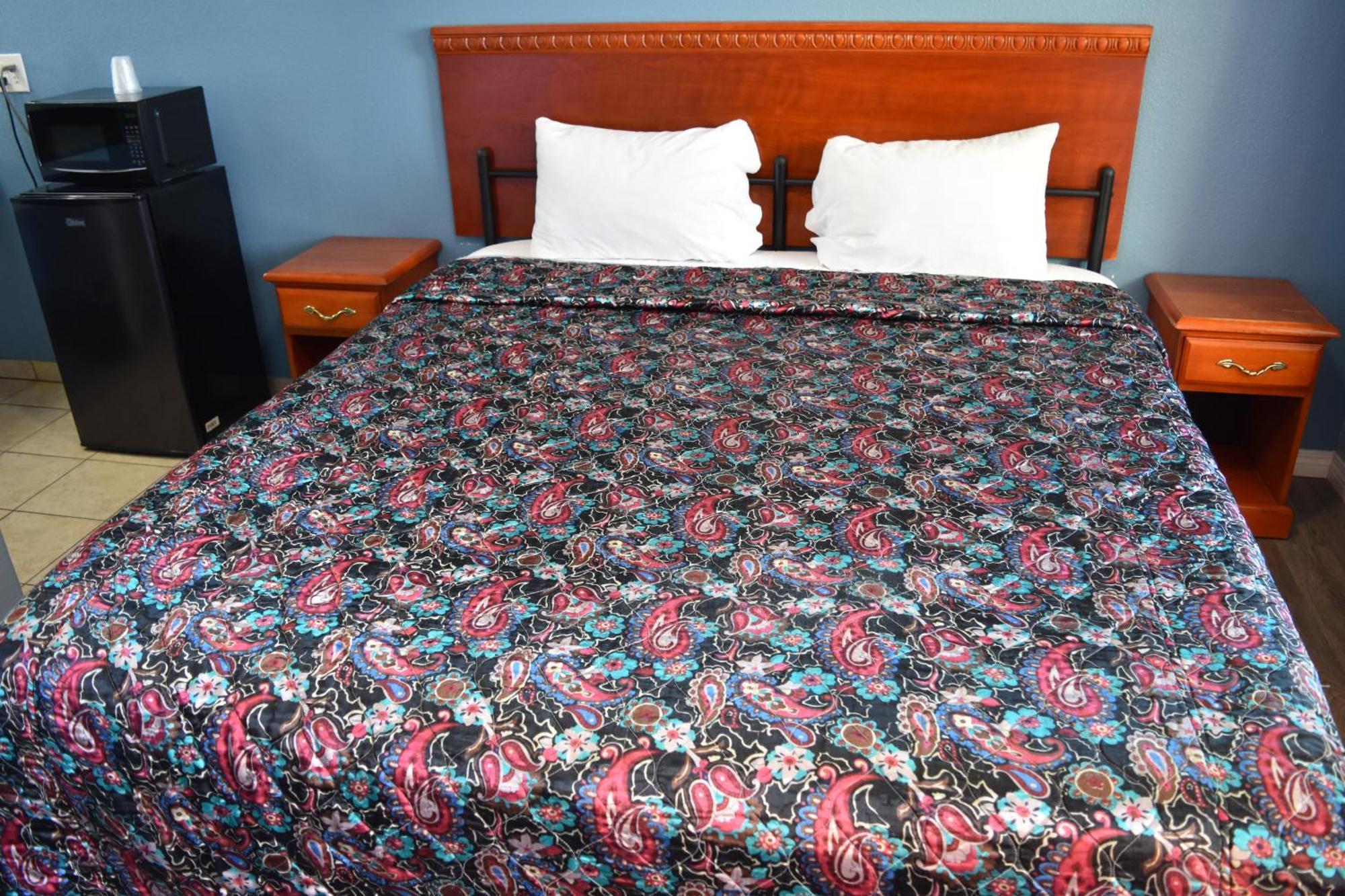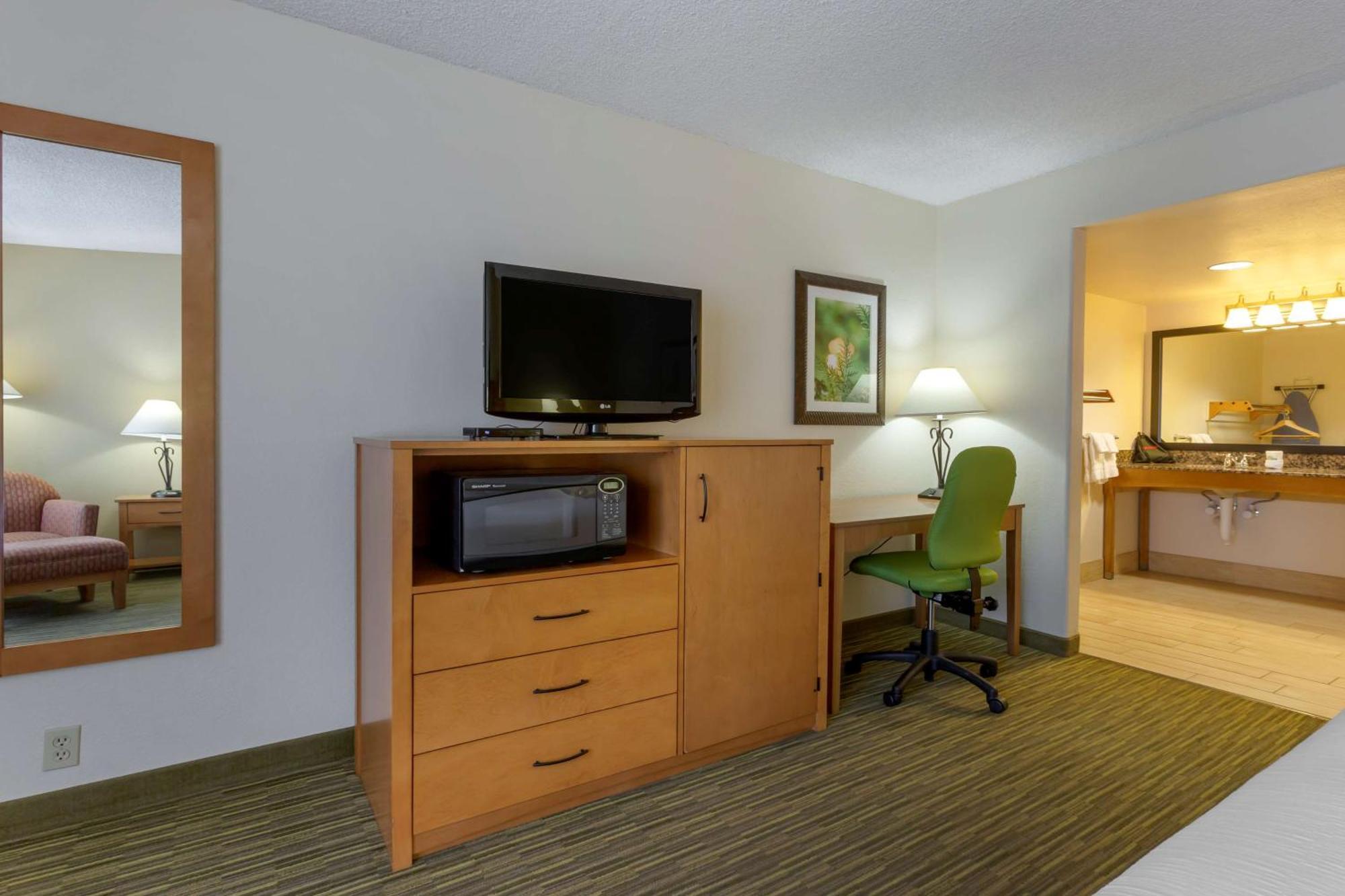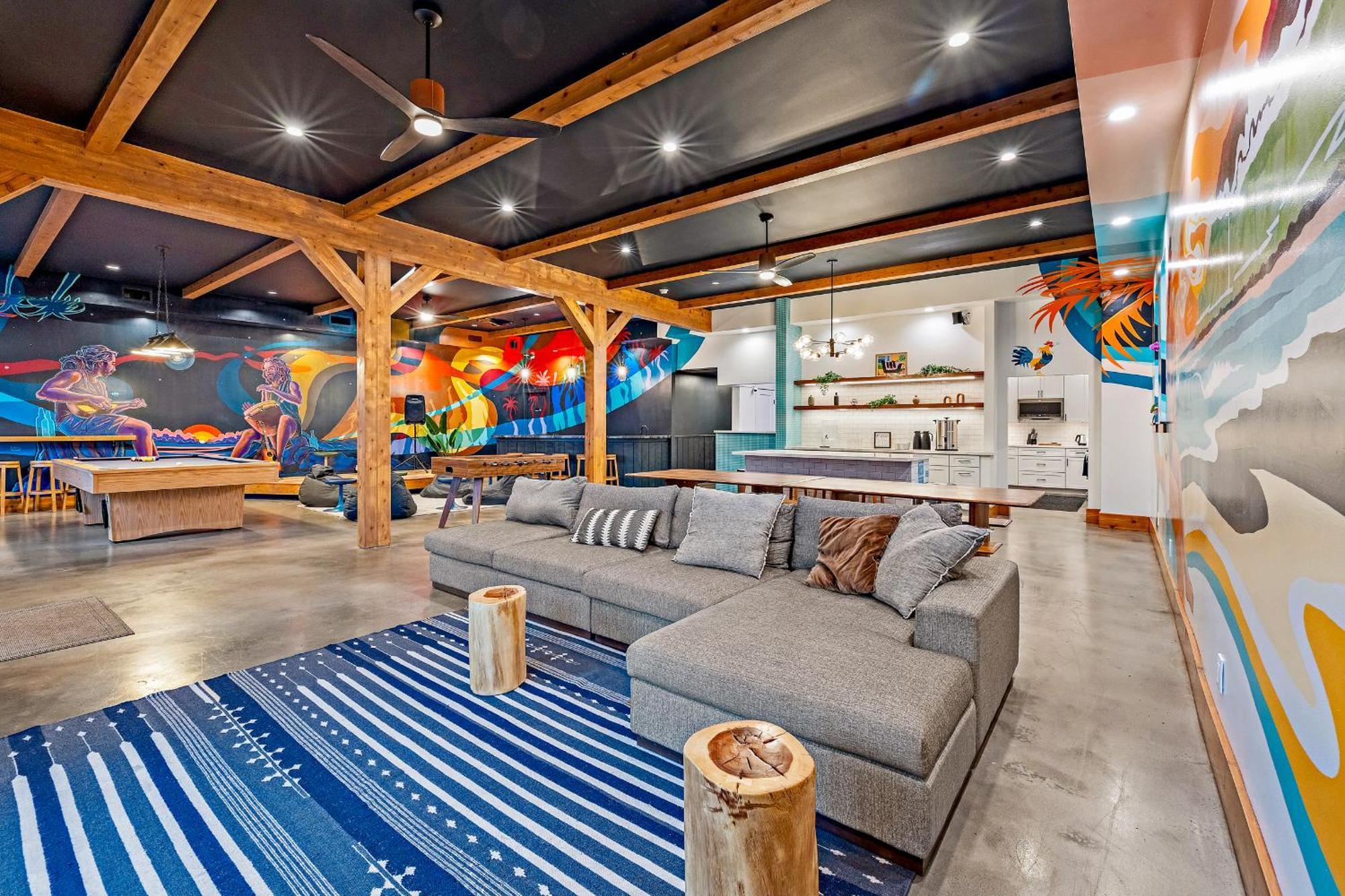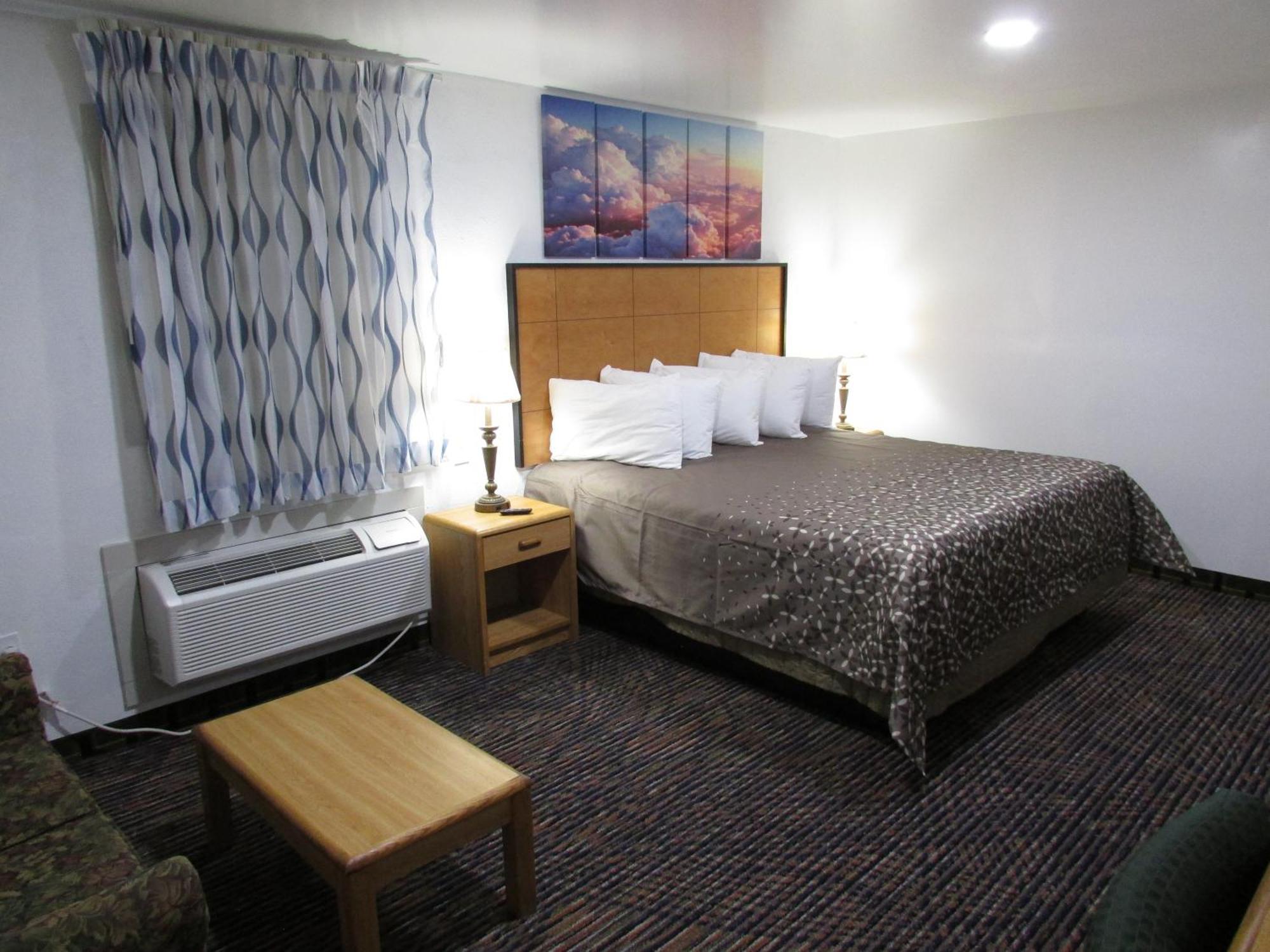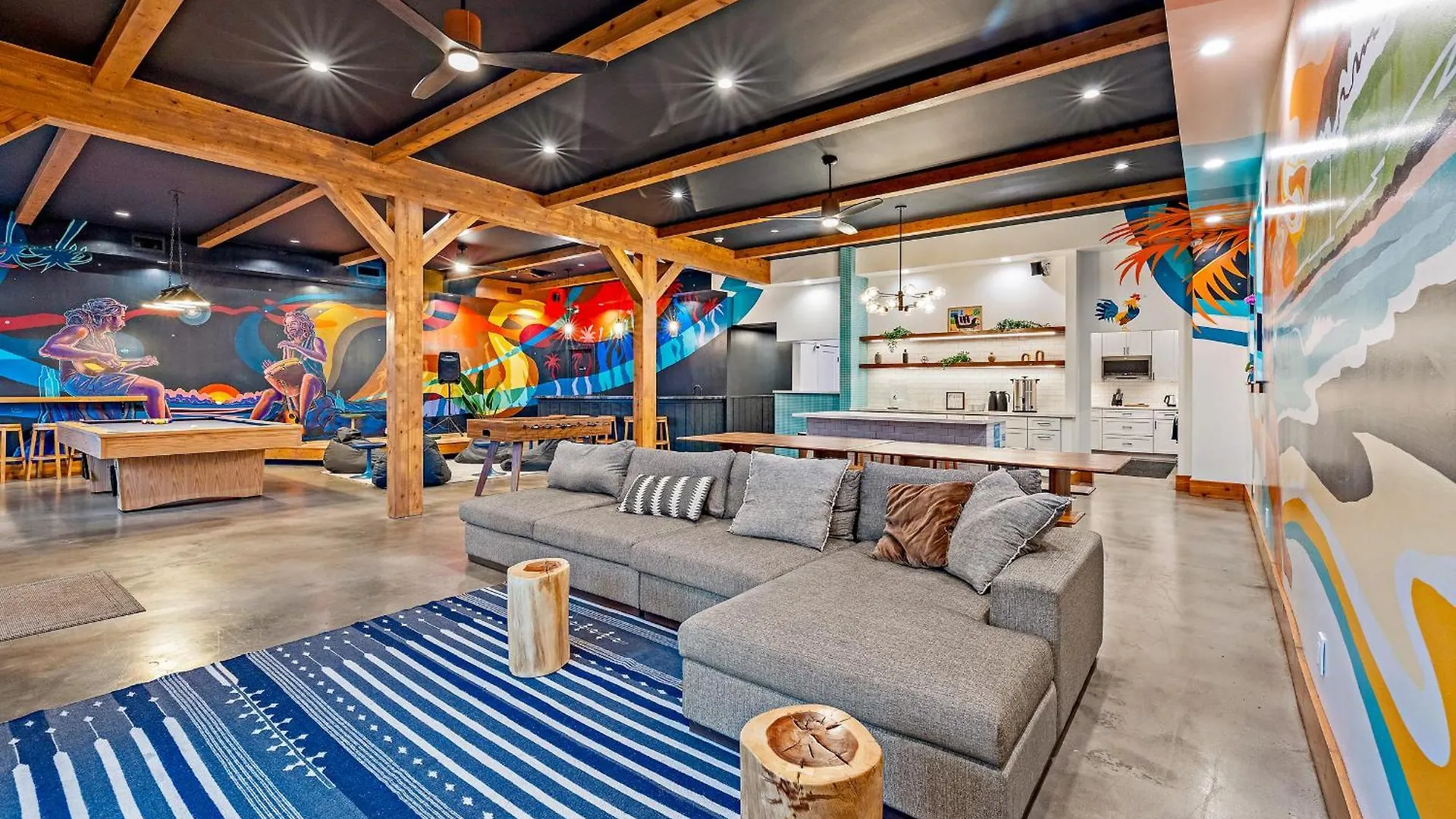
Hawaii's hospitality culture runs deep - rooted in the concept of aloha spirit, which shapes how hotel and lodging staff interact with guests across every island. From the Big Island's volcanic landscapes to Kauai's river valleys and Maui's surf-facing hostels, the quality of staff can transform a standard stay into something genuinely memorable. This guide covers six highly rated properties where guest reviews consistently highlight staff attentiveness, local knowledge, and hands-on service - across a range of budgets and island experiences.
What It's Like Staying in Hawaii
Hawaii is an archipelago of six main islands, each with a distinct personality - Oahu is urban and fast-paced, Maui is resort-driven, the Big Island is raw and volcanic, and Kauai is the most secluded and green. Inter-island travel requires short flights, so most visitors commit to one or two islands per trip. Getting around within each island almost always requires a rental car, especially outside of Waikiki on Oahu.
Crowd patterns vary sharply by island: Waikiki draws the bulk of Hawaii's annual visitors, while areas like Pahoa on the Big Island or Kapaa on Kauai offer a quieter, more local rhythm. Prices spike around 40% during peak holiday weeks - December, spring break, and summer - so travelers who prioritize staff-forward, experience-driven stays will find better value and more personal attention outside those windows.
Pros:
- Genuine aloha-spirit hospitality is culturally embedded across all islands, not just in luxury tiers
- Island-specific knowledge from local staff adds real value - surf conditions, trail access, local food picks
- Properties outside Waikiki typically offer smaller guest-to-staff ratios, meaning more attentive service
Cons:
- Car rental is nearly mandatory on most islands, adding cost and logistical complexity
- Remote properties with outstanding staff can feel isolated without planning ahead for meals and activities
- High demand during holidays means even well-staffed properties get stretched thin
Why Choose a High Staff-Rated Hotel in Hawaii
In a destination where natural scenery is the baseline draw, the difference between an average stay and an exceptional one usually comes down to people. High staff-rated hotels in Hawaii tend to be smaller, independently operated properties - inns, eco retreats, plantation cottages - where ownership is hands-on and local expertise is genuine. These properties typically run around 10 to 30 rooms, meaning staff interactions are personal, not transactional.
Compared to large resort chains in Waikiki or Ka'anapali, staff-forward properties tend to be priced 30 to 50% lower while offering more curated, locally rooted experiences. The trade-off is that shared amenities and fewer on-site services (no large spas, limited dining) are common. Travelers who book these properties for local guidance and personalized recommendations consistently report higher satisfaction than those chasing square footage or pool facilities.
Pros:
- Staff at smaller properties often arrange activities, local dining reservations, and transport tips not listed on any booking platform
- Owner-operated inns and retreats tend to attract staff with genuine passion for the local area
- Authentic local interaction adds cultural context that large resort hotels rarely provide
Cons:
- Smaller properties may lack 24/7 front desk coverage or multilingual staff
- Limited on-site dining means heavier reliance on staff recommendations for meals - which only works if they're truly knowledgeable
- Eco retreats and plantation cottages can have variable room consistency even within the same property
Practical Booking & Area Strategy for Hawaii
Island choice is the most important booking decision in Hawaii. Oahu's North Shore - anchored by Haleiwa and Pupukea - is best for surf-culture travelers willing to stay 40 km from Honolulu Airport in exchange for access to Banzai Pipeline, Sunset Beach, and Waimea Bay. Kauai's Kapaa town puts guests within walking distance of the Wailua River and within a few minutes' drive of Lydgate State Park, making it well-suited for nature-focused visitors. The Big Island's Pahoa area, near Lava Tree State Park, is best for travelers seeking genuine off-the-beaten-path experiences with eco-focused accommodations. Maui's Wailuku is centrally located near Kahului Airport - around 7 km away - and within reach of Iao Valley State Park, making it practical for short stays or as a base before inter-island travel. Book at least 8 weeks ahead for stays between June and August or over the holiday season; staff-rated boutique properties fill faster than large resorts because of limited room counts. Last-minute availability does appear in shoulder months like September-October and February-March, often at noticeably lower rates.
Best Value Stays
These properties offer strong staff ratings alongside accessible price points, making them the most practical entry points for travelers prioritizing personal service without a premium room budget.
-
1. Howzit Hostels
Show on map


Just a few rooms left at the best rate!
fromUS$ 55
-
2. Kalani Hawaii Private Lodging
Show on map


Just a few rooms left at the best rate!
fromUS$ 109
-
3. Fern Grotto Inn
Show on map


Hurry – almost gone at this price!
fromUS$ 321
Best Premium Stays
These properties sit at a higher price point and deliver more immersive, experience-led stays - with staff who go beyond hospitality basics to offer guided activities, wellness programming, and locally sourced food.
-
4. The Inn At Kulaniapia Falls
Show on map


Hurry – almost gone at this price!
fromUS$ 119
-
5. Waimea Plantation Cottages, A Coast Resort
Show on map


Rooms filling fast – secure the best rate!
fromUS$ 609
-
6. Hawaiian Sanctuary Eco Retreat Center
Show on map


Rooms filling fast – secure the best rate!
fromUS$ 89
Smart Travel & Timing Advice for Hawaii
Hawaii's peak travel windows fall in mid-December through early January, June through August, and around spring break in March - periods when even smaller, staff-forward properties see their highest occupancy and room rates climb sharply. Shoulder months like September, October, and February offer the best combination of lower prices and manageable crowds, particularly on the outer islands (Kauai, the Big Island, Maui outside of Ka'anapali). For eco retreats and plantation cottages with limited room counts - typically under 20 units - booking 8 to 10 weeks ahead during any peak period is non-negotiable. Last-minute deals do surface in October and early November, when post-summer demand drops and hurricane season (technically active through November) keeps some travelers away despite generally fine weather. Most travelers find that a minimum of 4 nights per island justifies the cost of a flight and car rental; anything shorter compresses the schedule too tightly to benefit from local staff knowledge and activity access. If you're island-hopping, prioritize your most experience-intensive stay - an eco retreat or waterfall inn - as your longest stop, and use the more logistics-friendly properties as shorter layovers.