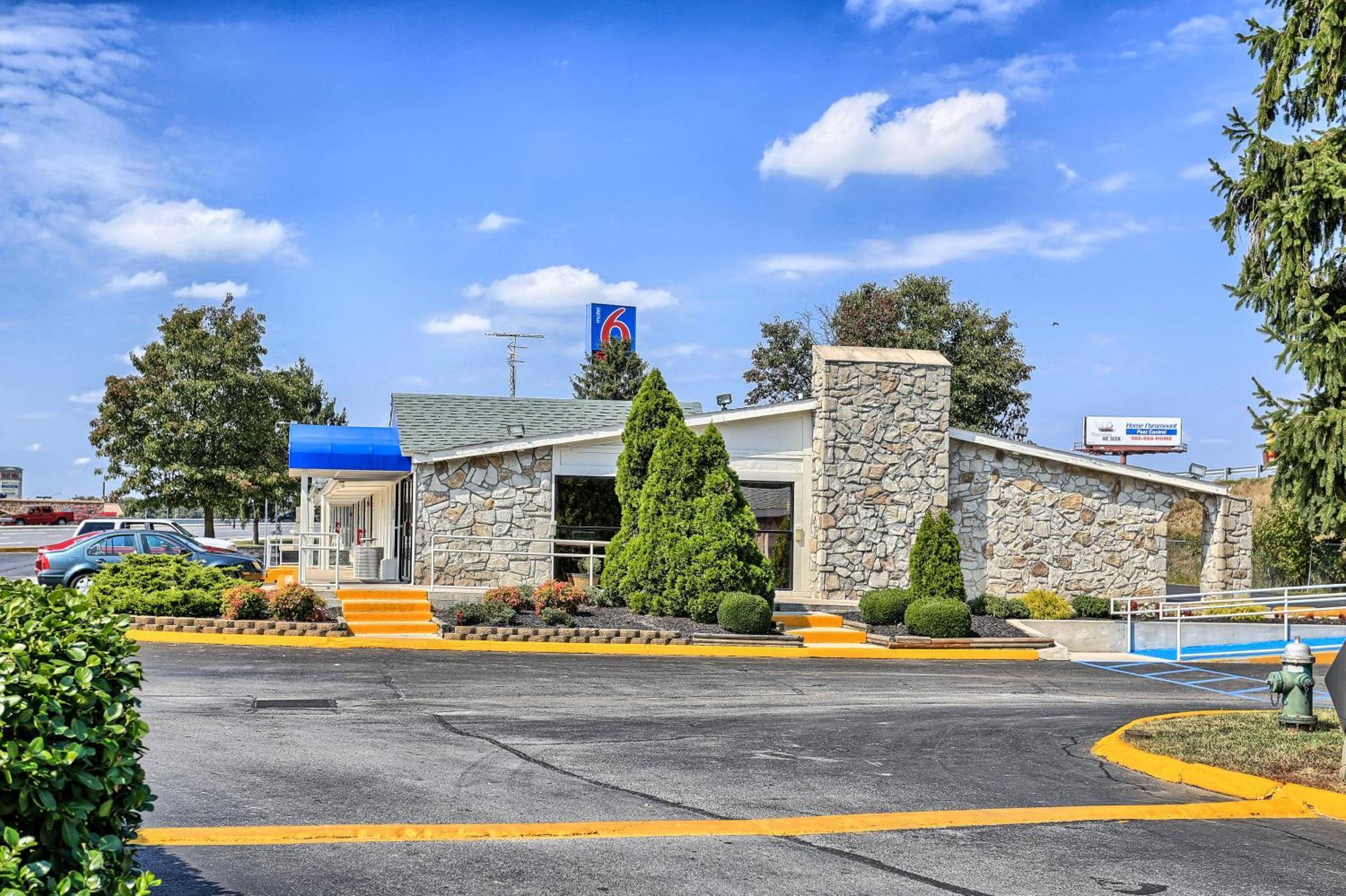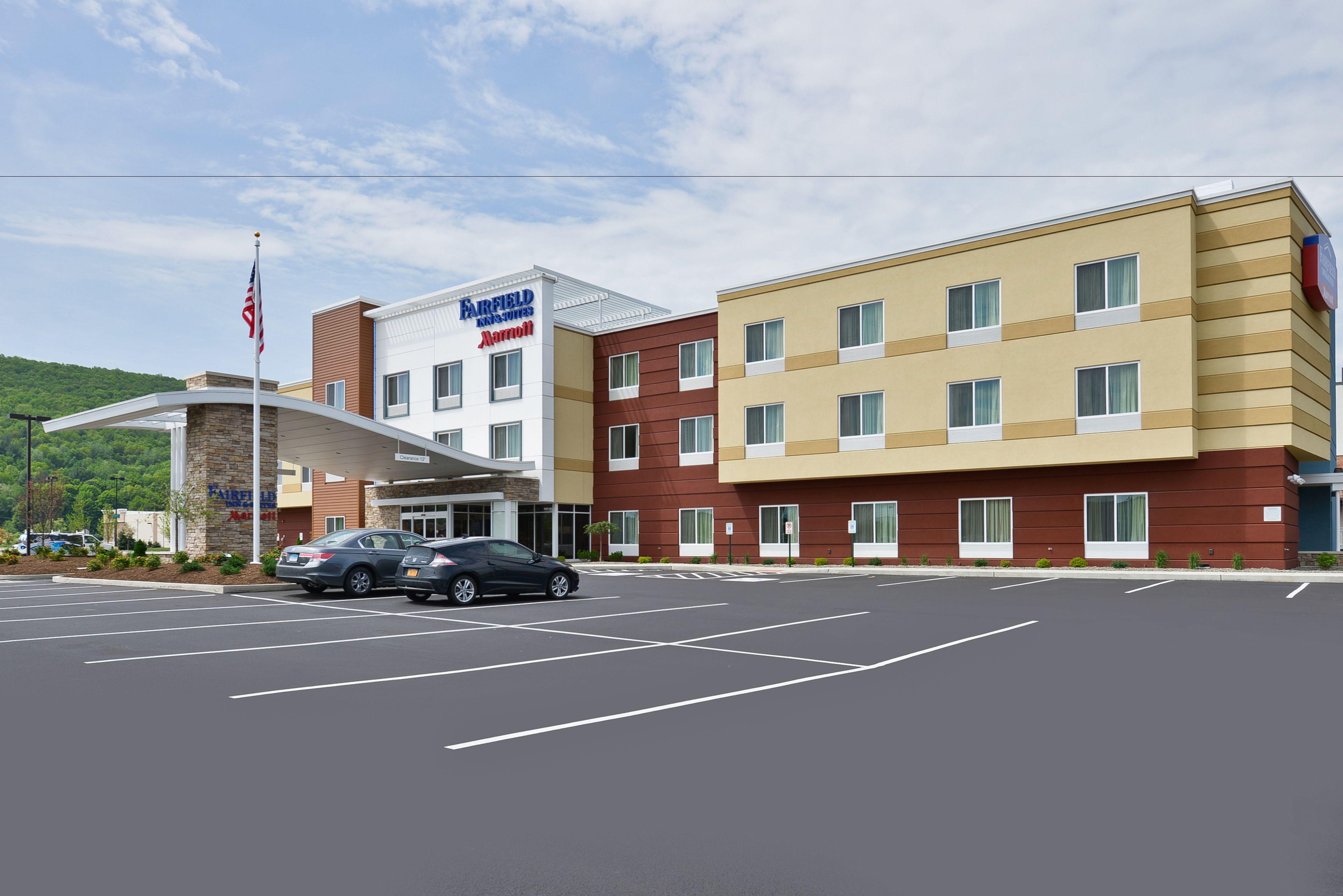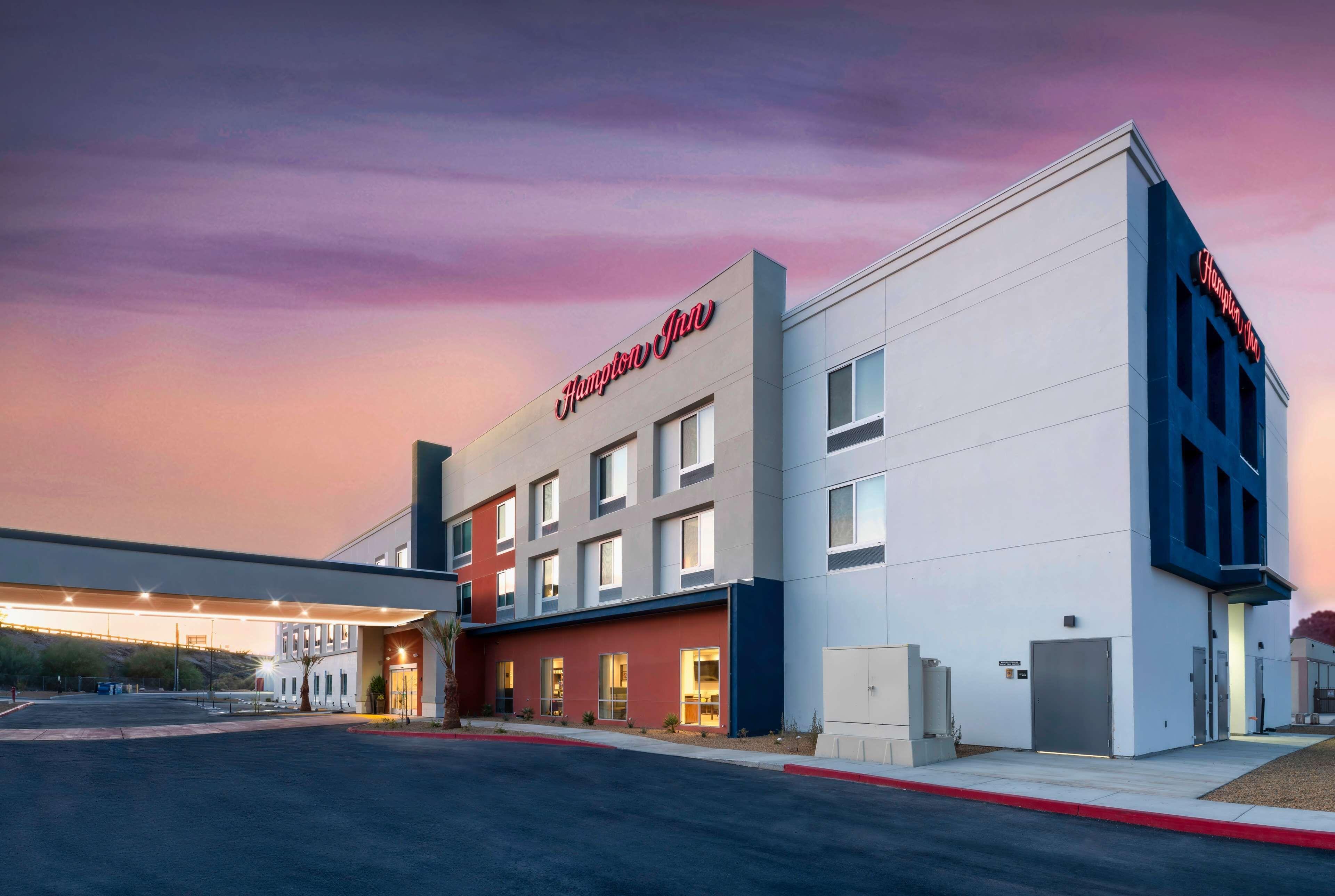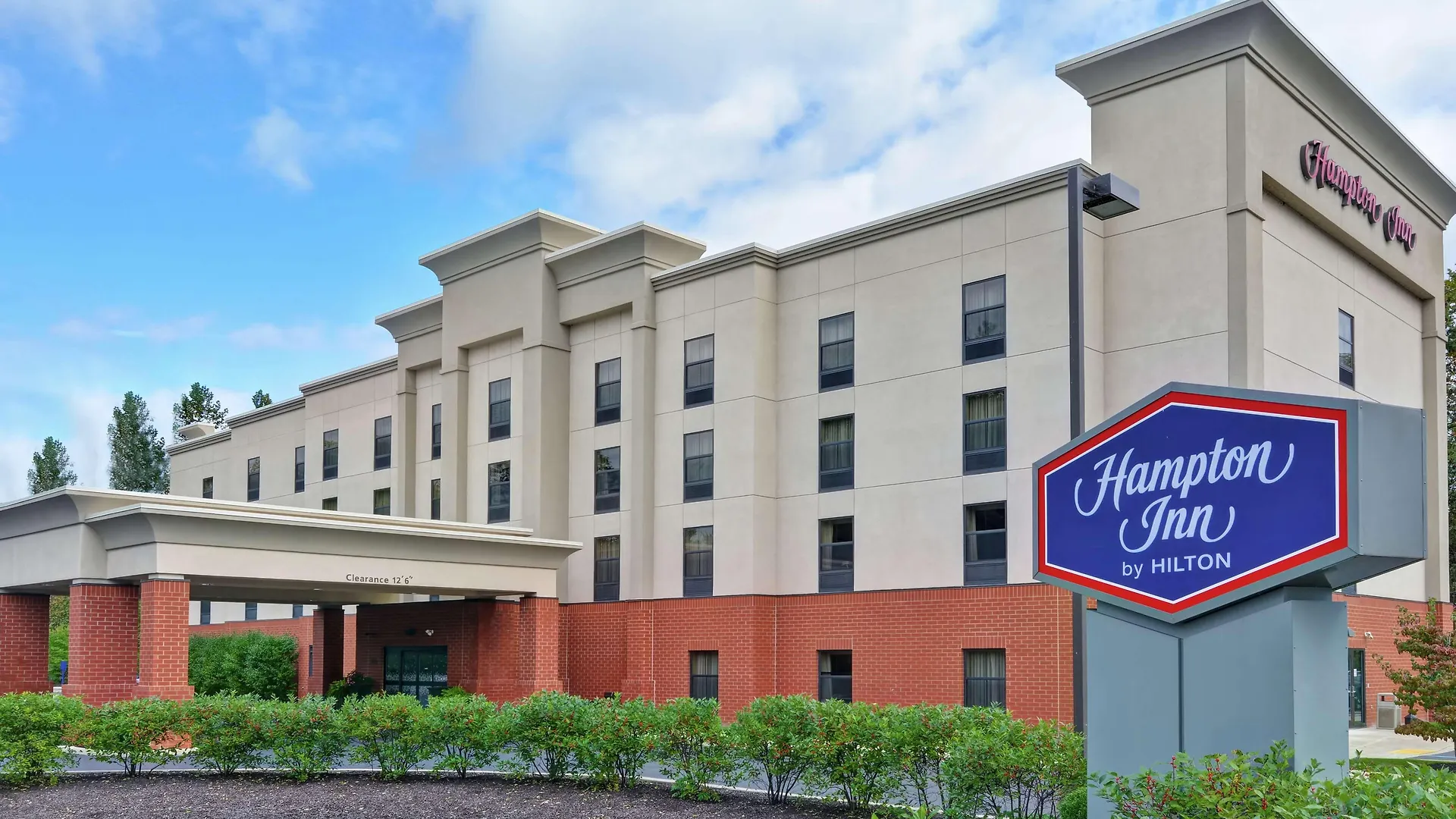
The Appalachian Mountains stretch over 2,400 kilometers across 14 U.S. states, making your choice of base camp critical. Hampton by Hilton properties are scattered across this range - from the foothills of northern Georgia and Alabama to the ridges of Pennsylvania, New York, and Vermont - offering a predictable, well-equipped stay whether you're here for leaf-peeping, skiing, hiking, or passing through on a road trip. This guide covers all 15 Hampton Inn locations across the Appalachian corridor, with specific detail on what each property delivers and how to position your stay strategically.
What It's Like Staying in the Appalachian Mountains
Staying in the Appalachian Mountains means trading urban density for trail access, scenic byways, and a slower travel pace - but logistics require planning. Car travel is non-negotiable across most of this region; public transit is virtually absent outside of a few gateway towns, and distances between attractions routinely exceed 30 kilometers. The region draws around 150 million visitors annually across the full range, with peak pressure concentrated in October for fall foliage and in winter near ski corridors like Killington in Vermont or the slopes near Franklin, NC.
Travelers who benefit most from Appalachian Mountain stays are road-trippers, outdoor enthusiasts, and families seeking nature-based itineraries without international travel complexity. Those expecting walkable urban amenities, dense dining scenes, or fast public transport will find most Appalachian towns underwhelming outside of destination anchors like Asheville or Saratoga Springs.
Pros:
- Direct access to iconic trails, national forests, and seasonal outdoor events with minimal crowds outside peak weekends
- Hotel rates significantly lower than comparable coastal or urban U.S. markets, especially mid-week
- Hampton by Hilton's brand consistency means free breakfast, fitness centers, and pools are reliably available even in remote towns
Cons:
- Almost every attraction requires a car - no Hampton location in this region is walkable to a major trailhead or landmark
- Dining options near most properties are limited to chain restaurants and local diners, particularly in smaller towns like Pine Grove or Belle Vernon
- Cell service and Wi-Fi reliability can drop in mountain corridors between towns, even if the hotel itself has strong connectivity
Why Choose Hampton by Hilton Hotels in the Appalachian Mountains
Hampton by Hilton occupies a distinct position in the Appalachian Mountain lodging market: it consistently undercuts full-service hotels on price while offering amenities - indoor pools, daily hot breakfast, fitness centers, free parking - that smaller regional motels and B&Bs rarely match. Free hot breakfast alone saves around $15 per person per day, which adds up quickly on multi-night road trips. Room sizes at Hampton properties in this region average around 28 square meters, larger than boutique inns of similar price, and free parking eliminates a cost that city properties routinely charge $20-$30 per night for.
The trade-off is aesthetic: Hampton hotels deliver a standardized corporate environment rather than regionally specific character. Travelers seeking locally-rooted design, farm-to-table dining, or a sense of Appalachian heritage will find the brand experience identical whether they're in Cornelia, Georgia or Clifton Park, New York. For families, business travelers on extended trips, or anyone prioritizing reliability over atmosphere, Hampton's consistency is its core advantage in a region where independent lodging quality varies sharply.
Pros:
- Free hot breakfast included at all properties - a genuine cost offset on longer mountain road trips
- Indoor or outdoor pools available at every location, useful after long hiking or driving days
- Free parking at all Appalachian-area Hampton locations, reflecting the car-dependent nature of the region
Cons:
- No locally distinctive design or regional character - every property feels interchangeable in decor and layout
- On-site dining is breakfast-only; dinner requires driving, often to strip mall restaurant clusters
- Properties in smaller towns like Tunkhannock or Pine Grove have limited walkable surroundings, requiring the car for any evening activity
Practical Booking & Area Strategy for the Appalachian Mountains
Positioning matters more in the Appalachians than in most U.S. destinations because the mountain range spans multiple states and climatic zones simultaneously. For the southern Appalachians - Georgia, Alabama, and western North Carolina - base yourself in Franklin, NC or Cornelia, GA for access to Nantahala National Forest, Anna Ruby Falls, and the upper Blue Ridge corridor. For the central Appalachians in Pennsylvania, properties in Lehighton (Jim Thorpe area), Hazleton, or Pine Grove place you within driving range of Pocono ski resorts, Ricketts Glen State Park, and Hersheypark. Fall foliage in Pennsylvania peaks around mid-October, and rooms in the Poconos corridor fill weeks in advance - book at least 6 weeks ahead for October weekend stays.
In the northern Appalachian zone, Hampton Inn Rutland/Killington in Vermont is the most strategically placed ski-season property in this collection, sitting within range of Killington, Pico, and Okemo ski areas. For New York State properties, Cooperstown and Clifton Park serve very different purposes: Cooperstown is a Baseball Hall of Fame destination, while Clifton Park functions as a suburban Albany satellite useful for Saratoga Springs and Hudson Valley day trips. Huntsville, Alabama's Hampton Cove property anchors the southernmost Appalachian access point, with Monte Sano State Park and the Tennessee River valley within a short drive. Always confirm seasonal pool availability before booking summer stays at southern properties, as several operate outdoor pools only.
Best Value Hampton Inn Stays
These properties deliver strong facility packages - pools, breakfast, free parking - in smaller Appalachian towns where nightly rates run lower than gateway resort areas, making them practical anchors for budget-conscious road trips or multi-night outdoor itineraries.
-
1. Hampton Inn Tunkhannock
Show on map


 Check-infrom 15:00 until 23:59Check-outuntil 11:00
Just a few rooms left at the best rate!
fromUS$ 137
-
2. Hampton Inn Indiana
Show on map


 Check-infrom 15:00 until 23:59Check-outuntil 11:00
Best price guarantee
fromUS$ 109
-
3. Hampton Inn Belle Vernon
Show on map


 Check-infrom 15:00 until 23:59Check-outfrom 04:00 until 11:00
Best price guarantee
fromUS$ 100
-
4. Hampton Inn Pine Grove
Show on map


 Check-infrom 15:00 until 23:59Check-outuntil 11:00
Rooms filling fast – secure the best rate!
fromUS$ 155
-
5. Hampton Inn Hazleton
Show on map


 Check-infrom 15:00 until 23:00Check-outfrom 05:00 until 11:00
Best price guarantee
fromUS$ 130
-
6. Hampton Inn Athens
Show on map


 Check-infrom 15:00 until 23:59Check-outuntil 11:00
Hurry – almost gone at this price!
fromUS$ 119
-
7. Hampton Inn Cornelia
Show on map


 Check-infrom 14:00 until 23:59Check-outuntil 11:00
Best price guarantee
fromUS$ 144
-
8. Hampton Inn & Suites Huntsville Hampton Cove
Show on map


 Check-infrom 15:00 until 23:59Check-outuntil 11:00
Best price guarantee
fromUS$ 153
Best Mid-Range & Well-Located Hampton Inn Picks
These Hampton Inn properties combine stronger locational positioning - closer to major airports, ski areas, or regional attractions - with facility packages that justify a modest price premium over the value tier, particularly for travelers who want to minimize driving time to key destinations.
-
9. Hampton Inn Cooperstown
Show on map


 Check-infrom 15:00 until 23:59Check-outuntil 11:00
Best price guarantee
fromUS$ 390
-
2. Hampton Inn Rome
Show on map


 Check-infrom 15:00 until 23:59Check-outuntil 11:00
Hurry – almost gone at this price!
fromUS$ 120
-
3. Hampton Inn Franklin, Nc
Show on map


 Check-infrom 15:00 until 23:59Check-outuntil 11:00
Hurry – almost gone at this price!
fromUS$ 138
-
4. Hampton Inn Lehighton - Jim Thorpe
Show on map


 Check-infrom 16:00 until 22:00Check-outfrom 06:00 until 11:00
Best price guarantee
fromUS$ 117
-
5. Hampton Inn Harrisburg / Grantville / Hershey
Show on map


 Check-infrom 15:00 until 23:59Check-outuntil 11:00
Rooms filling fast – secure the best rate!
fromUS$ 93
-
6. Hampton Inn Clifton Park
Show on map


 Check-infrom 15:00 until 23:59Check-outuntil 11:00
Just a few rooms left at the best rate!
fromUS$ 118
-
15. Hampton Inn Rutland/Killington
Show on map


 Check-infrom 16:00 until 23:59Check-outuntil 11:00
Just a few rooms left at the best rate!
fromUS$ 192
When to Book Hampton Inn Hotels in the Appalachian Mountains
The Appalachian Mountain region has two dominant demand spikes: fall foliage season (late September through late October) and winter ski season (mid-December through February). October is the single most competitive booking month across the entire range - Pennsylvania, New York, and Vermont properties near scenic routes fill on weekends 6 weeks in advance or more, and rates at Hampton locations can climb noticeably above their standard pricing. For ski-adjacent properties like Hampton Inn Rutland/Killington, President's Week in February is a secondary peak when families concentrate vacation days, and last-minute availability becomes scarce.
The best-value windows for Appalachian Hampton stays are May through June (post-spring mud season, pre-summer crowds) and November after foliage ends. These shoulder periods offer lower nightly rates, open trail conditions, and reduced weekend competition for rooms. For southern Appalachian properties in Georgia, Alabama, and North Carolina, summer humidity is a real consideration - the indoor pool properties in this collection (Cooperstown, Rome, Indiana, Belle Vernon, Pine Grove, Grantville, Lehighton, Clifton Park, Rutland) are more comfortable mid-summer than outdoor-pool-only options. Booking at least 3 weeks ahead for any summer or fall weekend stay anywhere in this collection is a reliable minimum threshold - for October weekends near foliage corridors, double that lead time.