The Appalachian Mountains stretch across 14 states, from Alabama to Maine, offering a mix of dense forests, historic small towns, and outdoor recreation corridors that draw hikers, road-trippers, and nature-focused travelers year-round. Hotels in this region are typically anchored in gateway towns - places like Corning, Rome, Cortland, and Vestal in New York State - that sit within driving distance of key natural and cultural landmarks. This guide covers five branded hotels with consistent standards, free parking, and amenities built for active travelers moving through or staying near the Appalachian corridor.
What It's Like Staying In The Appalachian Mountains
The Appalachian Mountain region is defined by its gateway-town rhythm: most travelers base themselves in mid-size towns and drive to trailheads, scenic gorges, or cultural stops rather than walking from their hotel door. Free parking is non-negotiable here - nearly every viable hotel offers it, because a car is the primary mode of movement. Crowd patterns are highly seasonal, with summer and fall foliage periods (late September through October) driving the heaviest demand, while winter sees sharp drop-offs outside ski-adjacent zones.
The region suits hikers, road-trippers, families visiting universities or museums, and anyone using New York State's Southern Tier as a base for multi-day exploration. Travelers expecting walkable urban cores or public transit will find the experience limiting - most attractions are 20 to 40 minutes by car from any given hotel. Those prioritizing nightlife, dense restaurant scenes, or cosmopolitan amenities will find better options in larger cities like Binghamton or Ithaca directly.
Pros:
- Extremely low traffic congestion compared to metro areas, making day-trip logistics straightforward and low-stress
- Hotels consistently include free parking, breakfast options, and fitness facilities - practical value that urban hotels often charge extra for
- Proximity to landmarks like Watkins Glen, Corning Museum of Glass, and Finger Lakes wine trails within around 30 km of most properties
Cons:
- No meaningful public transportation - a rental car or personal vehicle is required for every activity and restaurant visit
- Dining options near hotels are limited to chains and casual local spots; fine dining requires planning and driving
- Cell coverage and internet reliability can drop significantly once you leave the town centers and head onto mountain or forest roads
Why Choose Brand Hotels In The Appalachian Mountains
In a region where boutique and independent properties can vary wildly in quality and amenity consistency, branded hotels from Marriott, Hilton, and similar chains deliver a reliability advantage that matters for travelers covering long distances. In the Appalachian gateway towns of New York's Southern Tier, branded 3-star hotels typically run at competitive nightly rates while providing indoor pools, fitness centers, and included breakfast - features that budget motels in the same towns often lack. Indoor pools are a consistent differentiator here, particularly useful during the colder months when outdoor recreation is weather-dependent.
Room sizes in these branded properties tend to be practical rather than generous - standard queen or king layouts with desks and flat-screen TVs that serve both leisure and business travelers passing through. Trade-offs include limited on-site dining beyond breakfast, and locations that are typically near highway interchanges rather than town centers - which prioritizes parking and road access over walkability. Business centers and disability-accessible facilities are standard across most properties listed here, making them suitable for a wider range of traveler needs than independent lodges in the same corridor.
Pros:
- Consistent quality standards across all properties - guests know exactly what amenities to expect regardless of which town they're staying in
- Included breakfast at most properties reduces daily food costs by a meaningful amount for multi-night stays
- Indoor pools and fitness centers are standard, providing options when weather limits outdoor activity
Cons:
- Locations near highway exits mean the immediate surroundings are utilitarian - strip malls, fast food, and gas stations rather than scenic streetscapes
- On-site dining is limited to breakfast only; all other meals require driving to nearby restaurants
- Rooms are functionally designed but lack the character of local inns or mountain lodge-style accommodations in the region
Practical Booking & Area Strategy
Within New York State's Appalachian corridor, positioning matters depending on your primary destination. Corning and Painted Post place you within minutes of the Corning Museum of Glass and roughly 34 km from Watkins Glen State Park - one of the most visited natural attractions in the region, with 19 waterfalls along a 3 km gorge trail. Cortland is the strongest base for travelers focusing on the central Finger Lakes, with Cornell University and Ithaca reachable in under 40 minutes. Vestal sits east of Binghamton and serves travelers exploring the Susquehanna Valley, with Hiawatha Island Wildlife Refuge and Apalachin Marsh Bird Sanctuary both under 30 km away.
For airport logistics, Elmira/Corning Regional Airport (ELM) is the most convenient entry point for the western cluster of properties, with the Horseheads Fairfield Inn sitting around 3 km from the terminal - the closest hotel to any regional airport in this group. Rome's Hampton Inn is served by Hancock Airport in Syracuse, approximately 57 km out, making it the most airport-distant option but well-positioned for travelers exploring the Adirondack foothills. Book at least 6 weeks ahead for fall foliage season (late September through late October), when occupancy across the entire Southern Tier spikes sharply and rates at branded hotels can increase by around 40% compared to shoulder season pricing. Winter and early spring offer the most flexible availability and lowest rates across all five properties.
Best Value Stays
These properties deliver strong practical value for travelers prioritizing location efficiency, airport proximity, or access to the Finger Lakes and Southern Tier's key attractions at competitive rates.
-
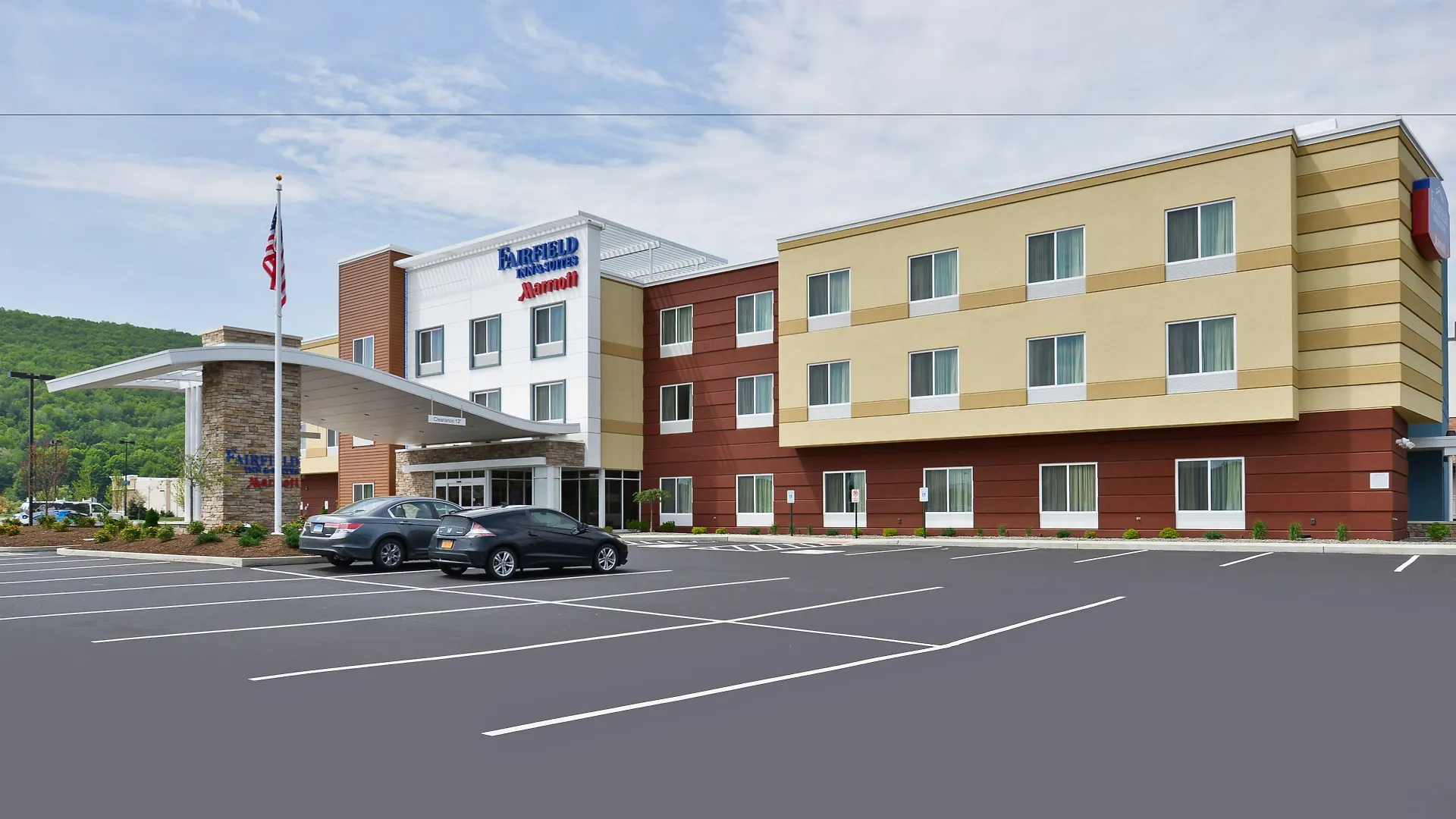
1. Fairfield Inn & Suites By Marriott Elmira Corning
Show on map


 Check-infrom 15:00 until 23:59Check-outuntil 12:00
Just a few rooms left at the best rate!
fromUS$ 157
-
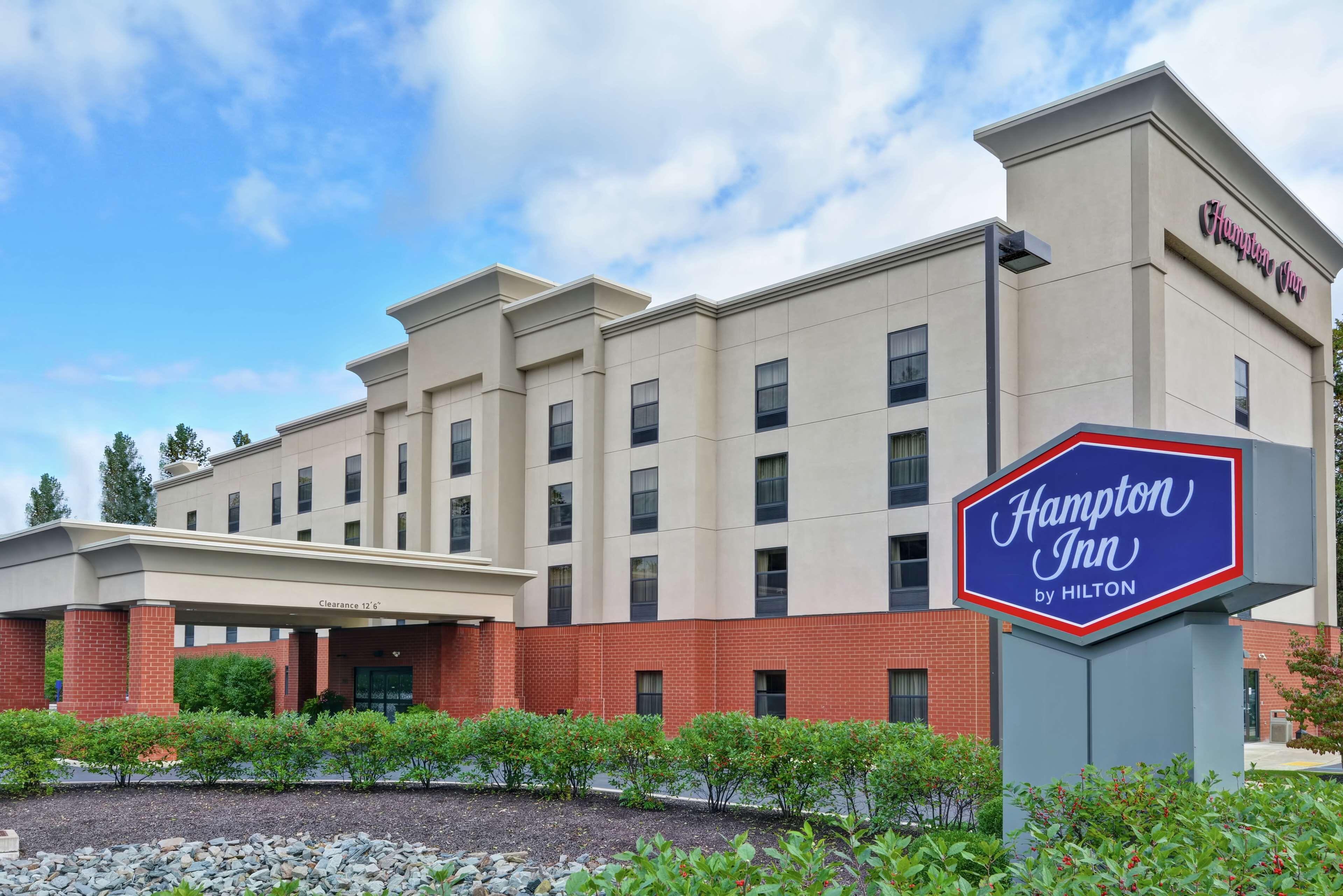
2. Hampton Inn Cortland, Ny
Show on map


 Check-infrom 15:00 until 23:00Check-outuntil 11:00
Just a few rooms left at the best rate!
fromUS$ 154
-
3. Tru By Hilton Binghamton Vestal
Show on map


 Check-infrom 15:00 until 23:59Check-outuntil 12:00
Hurry – almost gone at this price!
fromUS$ 149
Best Premium Picks
These two Hampton Inn properties offer stronger attraction proximity, additional guest facilities, and more established positioning within their respective towns for travelers who want location efficiency alongside branded reliability.
-
4. Hampton Inn Corning/Painted Post
Show on map


 Check-infrom 15:00 until 23:59Check-outuntil 11:00
Hurry – almost gone at this price!
fromUS$ 180
-
5. Hampton Inn Rome
Show on map


 Check-infrom 15:00 until 23:59Check-outuntil 11:00
Rooms filling fast – secure the best rate!
fromUS$ 120
Smart Travel & Timing Advice For The Appalachian Mountains
The Appalachian Mountain region in New York State operates on a clear seasonal rhythm that should directly inform your booking strategy. Fall foliage season runs from late September through late October and represents the single highest-demand period across all gateway towns - Corning, Cortland, Rome, and Vestal all see occupancy spikes during this window, with rates rising sharply and last-minute availability becoming unreliable. Book at least 6 weeks in advance if your travel dates fall in this window.
Summer (June through August) is the second busiest period, driven by Watkins Glen race events, Finger Lakes wine tourism, and university-related family visits to Cornell and Binghamton. The quietest and most affordable window is January through March, when outdoor recreation is limited and demand drops significantly - rates can fall by around 30% compared to peak fall pricing, and all five properties in this guide maintain full amenity access year-round including indoor pools and fitness centers. A stay of 3 nights is the practical minimum for getting meaningful value from this region; anything shorter is better suited to a day-trip from a larger metro base. Early booking also unlocks better room-type availability - properties like Hampton Inn Corning fill their most proximate rooms to attractions quickly once fall demand activates.