Raleigh's hotel scene has matured significantly alongside the city's tech and creative industries, with properties ranging from polished suburban retreats to airport-adjacent extended-stay suites with thoughtful interiors. Whether you're visiting for a corporate conference in North Hills, exploring the Triangle's museum corridor, or connecting through RDU, this guide cuts through the noise to match you with the right property based on location logic, room design, and real booking value.
What It's Like Staying in Raleigh
Raleigh is a mid-sized capital city that moves at a deliberate pace - walkability is limited outside Downtown and North Hills, and most visitors will rely on a rental car or rideshare for daily movement. The city sprawls across distinct districts, each with its own character: Downtown Raleigh anchors arts and government, North Hills functions as an upscale urban village, and the Brier Creek corridor serves the airport crowd. Crowd density is low compared to coastal North Carolina cities, making it a manageable base even during busy conference seasons at the Raleigh Convention Center.
Pros:
- Strong restaurant and craft brewery scene concentrated in Downtown and North Hills, walkable within those zones
- Around 30 minutes from Research Triangle Park, making it efficient for business travelers needing cross-city access
- Lower hotel rates than comparable state capitals, with more design-forward options than its size suggests
Cons:
- Limited public transit means car dependency for anyone staying outside the immediate Downtown core
- Suburban sprawl makes district-hopping time-consuming without a vehicle
- Nightlife and late-night dining thin out quickly beyond the Glenwood South strip
Why Choose Design Hotels in Raleigh
Design-oriented hotels in Raleigh tend to differentiate through curated amenities and intentional room layouts rather than sheer luxury square footage - a relevant distinction in a city where many full-service options skew toward generic business-travel formats. Properties in the North Hills and Brier Creek corridors typically offer larger room footprints and more considered finishes than Downtown counterparts at comparable price points. Extended-stay formats here often incorporate kitchenette setups and lounge-forward common areas, which suit the Triangle's project-based business travel demographic particularly well.
Pros:
- Design-forward rooms in Raleigh often include tech integrations - flat-screen mirrors, plug-in stations, docking setups - uncommon in standard business hotels at this price level
- North Hills properties combine hotel design quality with direct access to upscale retail and dining without needing a car
- Extended-stay design hotels offer full kitchenettes, giving longer-stay guests functional independence at around 20% lower effective daily cost
Cons:
- Truly boutique, independently designed hotels remain rare in Raleigh - most design quality comes from upper-midscale branded properties
- Properties closer to RDU trade design ambiance for convenience, with airport corridors lacking walkable surroundings
- Peak conference weeks can drive rates up sharply, reducing the value advantage these properties normally hold
Practical Booking & Area Strategy in Raleigh
For visitors focused on Downtown Raleigh's attractions - the North Carolina Museum of History, State Capitol on Jones Street, and the Glenwood South dining strip - staying within the I-440 beltline keeps rideshare costs low and response times fast. North Hills, centered around Six Forks Road and Lead Mine Road, is the strongest district for design-hotel guests who want walkable dining and retail without paying Downtown premiums. Travelers connecting through Raleigh-Durham International Airport should prioritize the Brier Creek area along I-540, where properties sit within around 4 km of the terminals - cutting transfer times to under 10 minutes. Book at least 6 weeks ahead for stays during major events like the North Carolina State Fair in October or ACC Tournament weeks, when rates across all categories spike sharply and inventory at design-forward properties disappears first.
Best Value Stays
These properties deliver strong design value relative to their nightly rate, suited to travelers who prioritize functional interiors and location efficiency over full-service amenities.
-
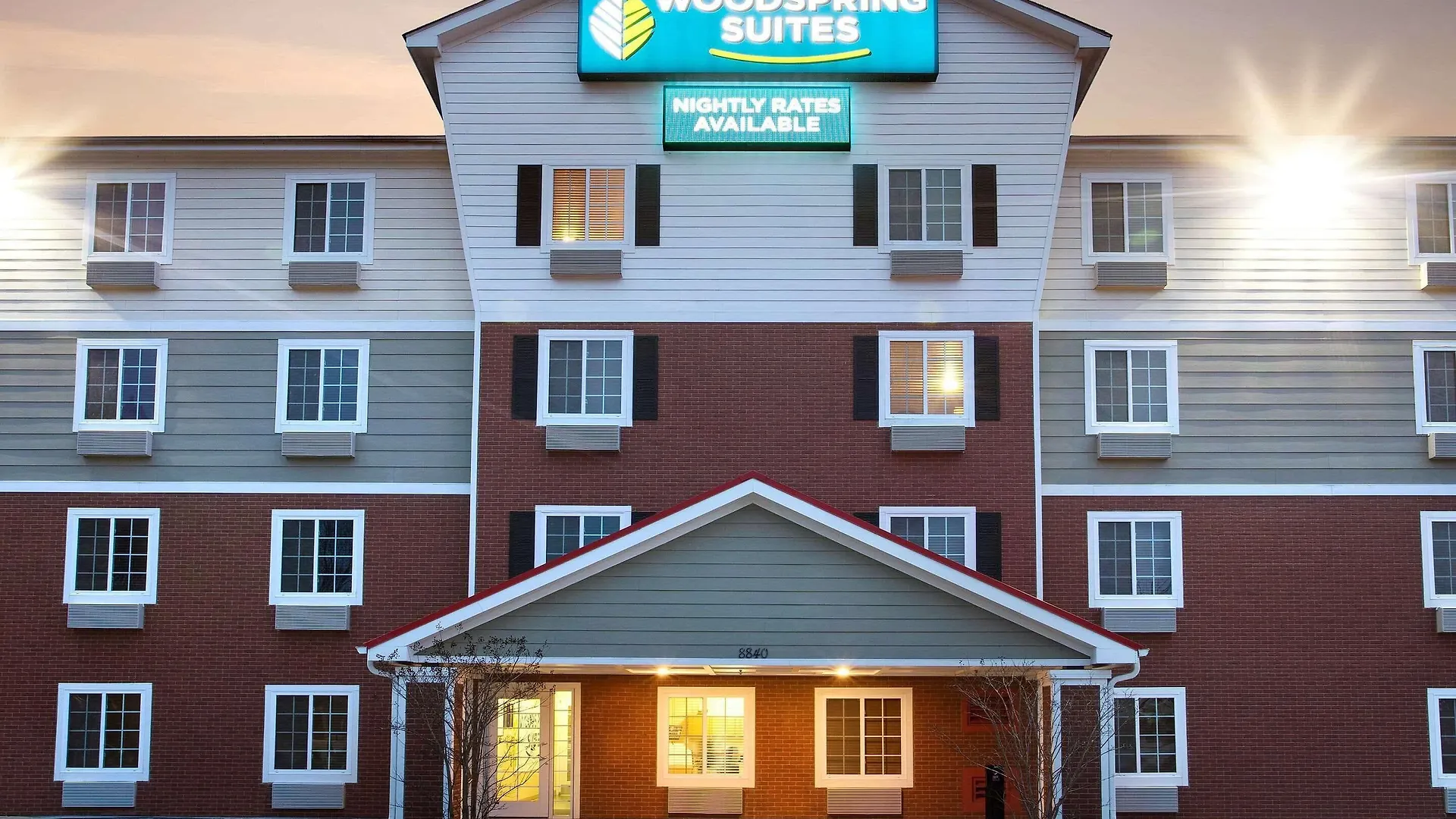
1. Woodspring Suites Raleigh Northeast Wake Forest
Show on map


 Check-infrom 15:00 until 23:59Check-outuntil 11:00
Just a few rooms left at the best rate!
fromUS$ 119
-
2. Courtyard By Marriott Raleigh North
Show on map


 Check-infrom 16:00 until 23:59Check-outuntil 12:00
Just a few rooms left at the best rate!
fromUS$ 134
Best Premium Stays
These properties offer the strongest combination of design quality, full-service amenities, and strategic district positioning for business and leisure travelers with higher standards for their Raleigh stay.
-
3. Residence Inn Raleigh-Durham Airport/Brier Creek
Show on map


 Check-infrom 15:00 until 23:59Check-outuntil 11:00
Hurry – almost gone at this price!
fromUS$ 141
-
4. Renaissance Raleigh North Hills Hotel
Show on map


 Check-infrom 16:00 until 23:59Check-outuntil 12:00
Rooms filling fast – secure the best rate!
fromUS$ 169
Smart Travel & Timing Advice for Raleigh
Raleigh's peak travel windows cluster around October - driven by the NC State Fair, fall foliage draw, and university homecoming events - and March to April, when ACC basketball tournament traffic and spring corporate events compress hotel availability significantly. Booking at least 6 weeks ahead during these windows is essential for design-forward properties, which carry smaller room inventories than full-service convention hotels. The quietest and most cost-effective period runs from mid-January through February, when business travel drops and leisure demand is minimal - rates at North Hills and Brier Creek properties can fall noticeably during these weeks, making them the best window for value-focused travelers. Summer in Raleigh is warm and humid but manageable, with moderate hotel demand outside of university graduation weeks in May. A stay of 3 nights is the practical minimum to access both Downtown Raleigh's museum and cultural corridor and the North Hills dining scene without feeling rushed, especially if Research Triangle Park or Duke University are also on the agenda.