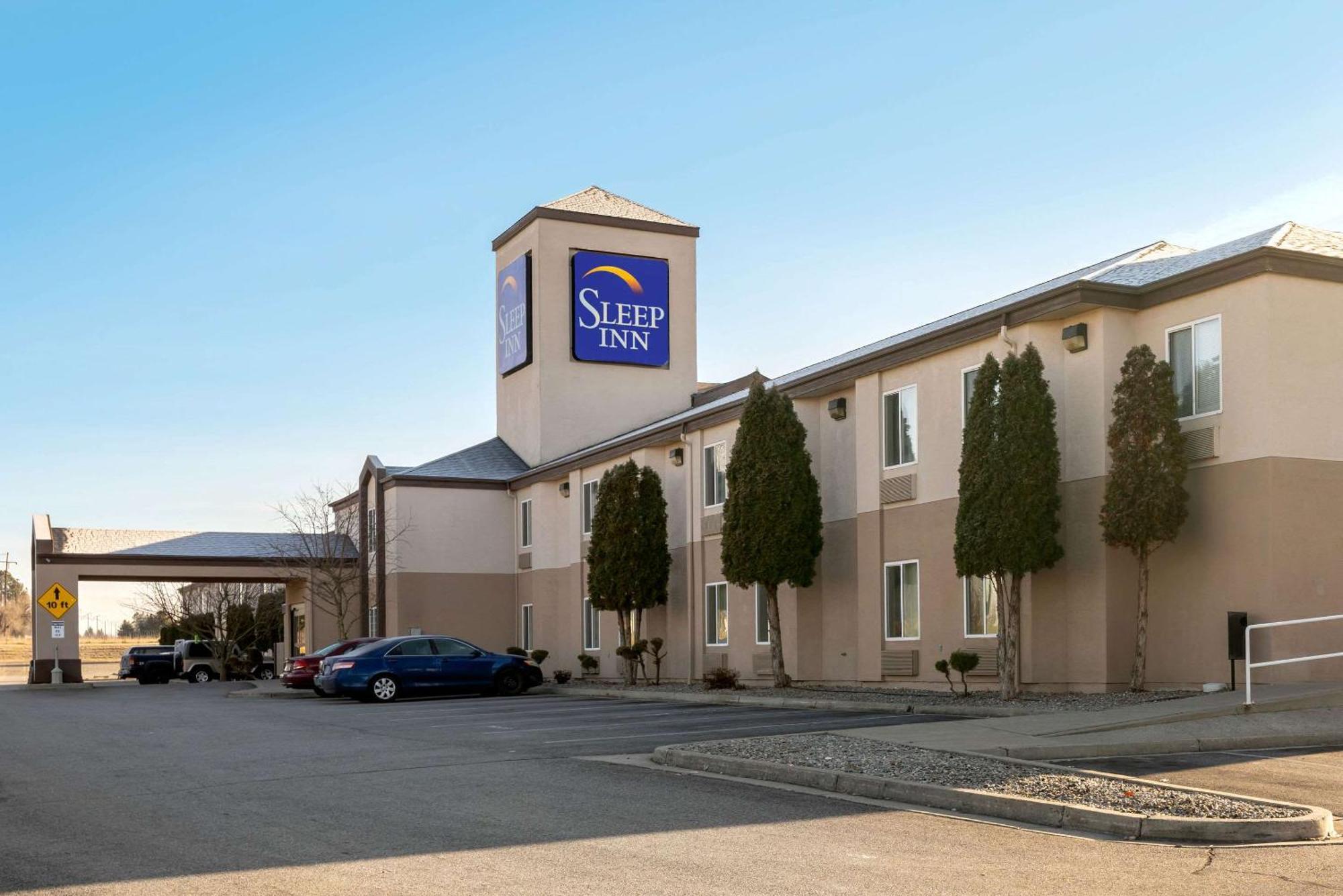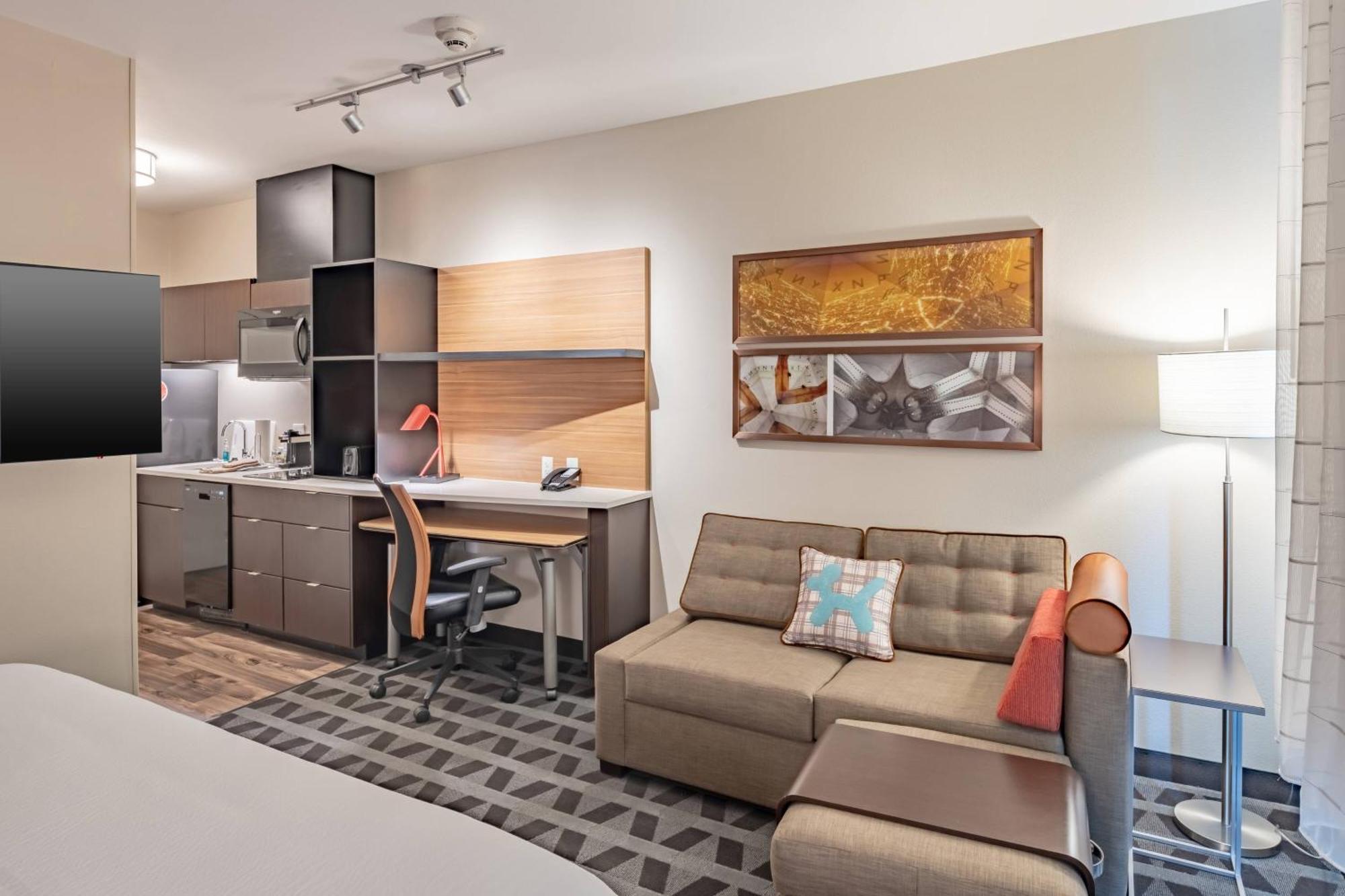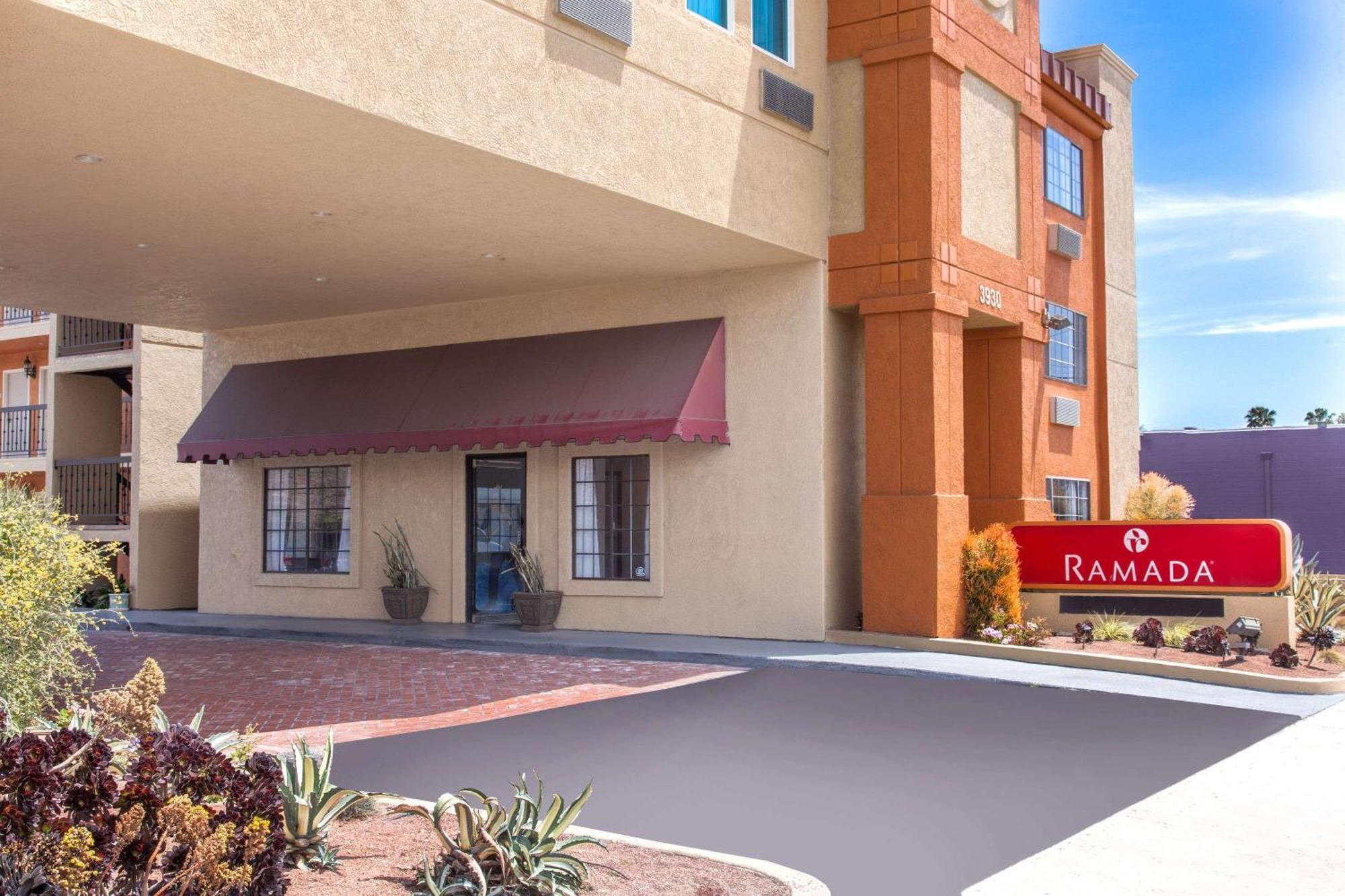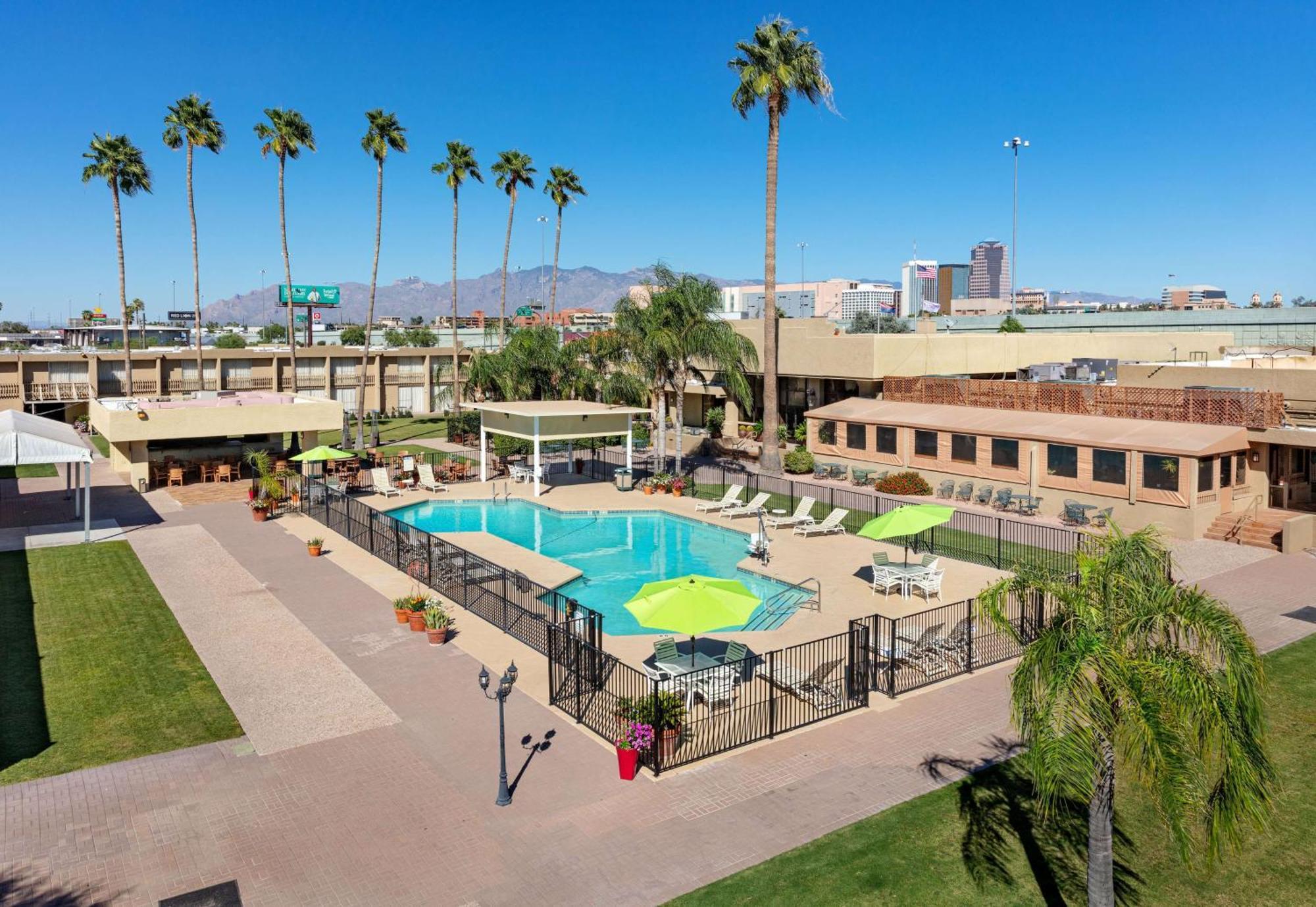
The Pacific Northwest spans Washington, Oregon, Idaho, and Montana - a vast corridor that mixes major tech hubs like Redmond and Issaquah with mid-size government centers like Olympia and Tacoma, and smaller regional cities like Kalispell, Pocatello, and Havre. Business travelers here deal with a wide spectrum of environments, from suburban office parks adjacent to Microsoft's campus to convention centers along the Puget Sound. Choosing the right business hotel in this region is less about luxury and more about strategic positioning - proximity to airports, conference venues, and reliable connectivity that actually performs under load.
What It's Like Staying in the Pacific Northwest for Business
The Pacific Northwest operates on a decentralized model - business activity is spread across multiple mid-size cities rather than concentrated in one downtown core. Seattle anchors the region, but a significant share of corporate demand flows through suburban corridors like Redmond (Microsoft headquarters), Issaquah, Everett (Boeing's largest assembly plant), and Tumwater near Olympia's government district. Traffic between Seattle and its suburbs can add over an hour to a commute during peak hours, making hotel placement critical. The region's rainy season runs roughly October through April, which affects airport punctuality and adds friction to multi-city itineraries.
Pros:
- Strong concentration of tech, aerospace, and government employers creates a well-developed business hotel infrastructure across the region
- Free parking is standard at most suburban business hotels, a meaningful cost saving compared to downtown Seattle
- Seattle-Tacoma International Airport provides direct connections to most major U.S. business hubs, with around 90 daily departures to West Coast destinations
Cons:
- Interstate 5 congestion between Olympia and Everett is consistently ranked among the worst in the United States, making driving-based itineraries unreliable
- Smaller cities like Havre, McCall, and Pocatello have very limited meeting infrastructure and fewer direct flight options
- Hotel demand spikes sharply during summer tech conferences and Boeing production events, compressing availability with little notice
Why Choose a Business Hotel in the Pacific Northwest
Business hotels in the Pacific Northwest are built around a consistent set of work-functional features - dedicated business centers, meeting rooms, fitness centers for early-morning routines, and breakfast included to keep schedules tight. What separates this category from standard 3-star accommodation here is the operational reliability: 24-hour front desks, same-day dry cleaning, luggage storage, and fridge-equipped rooms that support multi-night stays without daily restaurant dependency. Room sizes in Pacific Northwest business hotels average noticeably larger than downtown Seattle equivalents, particularly in suburban locations like Tualatin, Tumwater, and Rexburg where land costs are lower. Expect to save around 35% on nightly rates compared to equivalent Seattle city-center properties while retaining the same brand-standard amenities.
Pros:
- Business centers with fax, printing, and photocopying are standard across the category - critical for travelers without remote office access
- Included breakfast at most properties eliminates a daily logistical decision and saves around $20 per day per traveler
- Suburban and mid-city placements offer direct access to office parks, convention centers, and government buildings without navigating urban congestion
Cons:
- Properties outside the Seattle metro area offer limited walkable dining or entertainment, making evenings car-dependent
- Meeting room capacity at most of these hotels caps below 100 attendees - large-scale conferences require external venues
- Wi-Fi performance in older Pacific Northwest properties can degrade under simultaneous multi-device use, a recurring complaint in traveler reviews
Practical Booking and Area Strategy for Business Travelers
For travelers working in the greater Seattle ecosystem, positioning in Redmond or Issaquah puts you within 13 to 22 km of both Bellevue's financial district and Seattle's tech campuses, while Everett works best for Boeing-related visits with Boeing Field around 15 km south. Tumwater is the logical base for Washington State government meetings in Olympia, sitting 7 km from the capitol campus. In Oregon, Tualatin serves the Portland metro south corridor without downtown parking costs, with Portland International Airport reachable in around 33 km. For Idaho and Montana postings - Rexburg, Pocatello, McCall, and Kalispell - book well in advance during ski season (December through March) when leisure demand competes directly with business room inventory. Booking at least 6 weeks ahead during peak summer and ski periods is strongly advised across the region. The Puget Sound corridor benefits from the Sounder commuter rail linking Tacoma, Tualatin-area roads, and Everett to Seattle, reducing reliance on I-5 during peak hours.
Best Value Business Stays
These properties deliver reliable business-class infrastructure - included breakfast, business centers, fitness access, and free parking - at rates that make extended stays or multi-property regional itineraries financially practical.
-
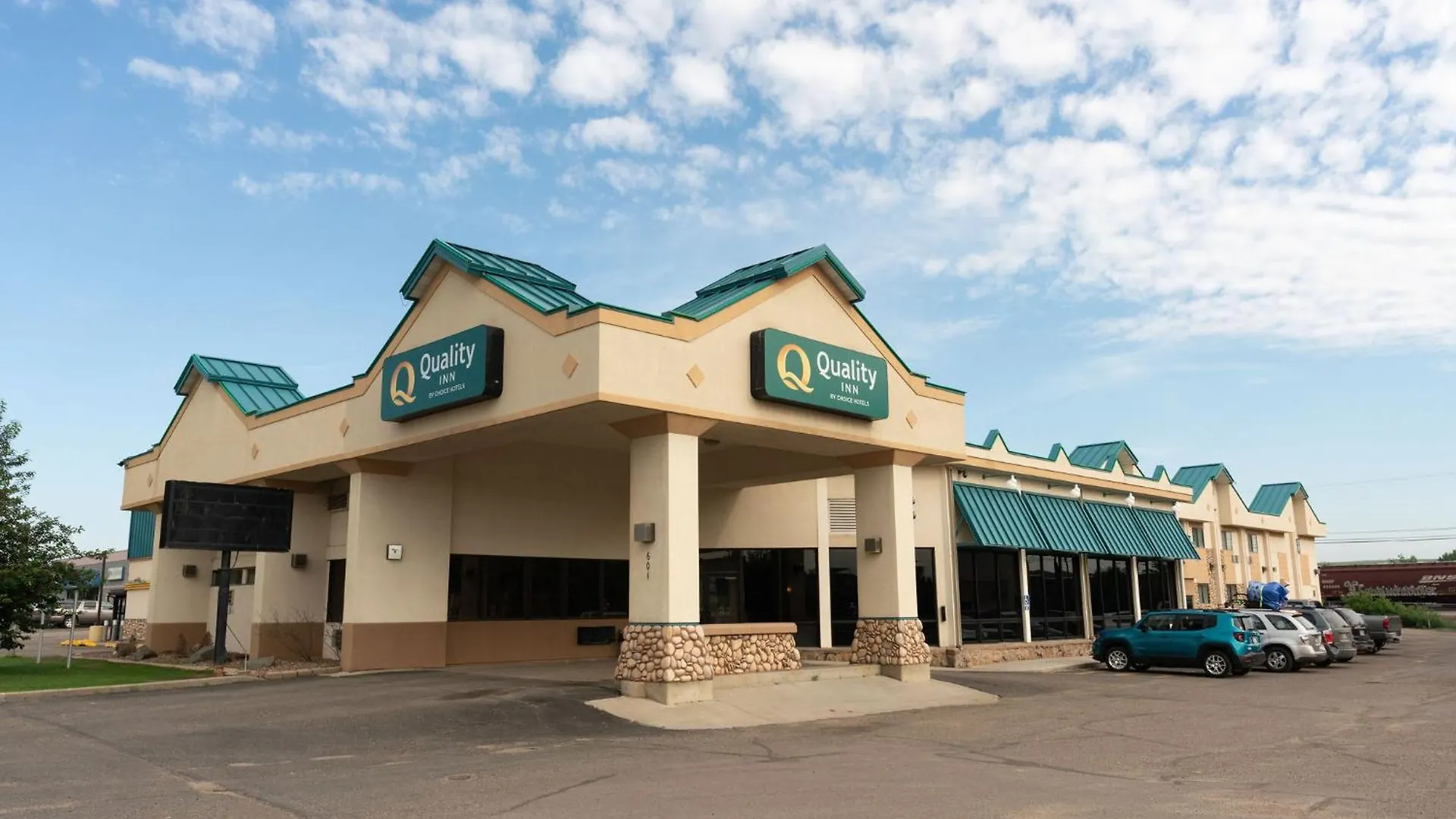
1. Quality Inn Havre
Show on map


 Check-infrom 15:00 until 23:59Check-outuntil 11:00
Rooms filling fast – secure the best rate!
fromUS$ 80
-
2. Best Western Tumwater-Olympia Inn
Show on map


 Check-infrom 15:00 until 23:59Check-outuntil 11:00
Rooms filling fast – secure the best rate!
fromUS$ 140
-
3. Springhill Suites By Marriott Rexburg
Show on map


 Check-infrom 15:00 until 23:59Check-outuntil 12:00
Best price guarantee
fromUS$ 139
-
4. La Quinta By Wyndham Pocatello
Show on map


 Check-infrom 15:00 until 23:59Check-outuntil 11:00
Hurry – almost gone at this price!
fromUS$ 95
-
5. Best Western Plus Mccall Lodge And Suites
Show on map


 Check-infrom 16:00 until 23:59Check-outuntil 11:00
Best price guarantee
fromUS$ 176
-
6. Hampton Inn Seattle/Everett
Show on map


 Check-infrom 15:00 until 23:59Check-outuntil 12:00
Rooms filling fast – secure the best rate!
fromUS$ 142
-
7. Springhill Suites By Marriott Kalispell
Show on map


 Check-infrom 15:00 until 23:59Check-outuntil 12:00
Hurry – almost gone at this price!
fromUS$ 149
Best Premium Business Stays
These properties offer elevated service layers - full-service dining, spa access, casino entertainment, or landmark proximity - suited to client-facing stays, extended corporate retreats, or travelers whose companies authorize upper-mid-tier expense accounts.
-
1. Tulalip Resort Casino
Show on map


 Check-infrom 16:00 until 23:59Check-outuntil 12:00
Best price guarantee
fromUS$ 135
-
2. Springhill Suites By Marriott Seattle Issaquah
Show on map


 Check-infrom 15:00 until 23:59Check-outuntil 12:00
Best price guarantee
fromUS$ 199
-
3. Seattle Marriott Redmond
Show on map


 Check-infrom 16:00 until 23:59Check-outuntil 11:00
Just a few rooms left at the best rate!
fromUS$ 125
-
4. Century Hotel
Show on map


 Check-infrom 16:00 until 23:59Check-outuntil 11:00
Hurry – almost gone at this price!
fromUS$ 179
-
5. Inn At Lynden
Show on map


 Check-infrom 15:00 until 23:59Check-outuntil 11:00
Best price guarantee
fromUS$ 299
-
6. Hotel Murano
Show on map


 Check-infrom 15:00 until 23:59Check-outuntil 11:00
Just a few rooms left at the best rate!
fromUS$ 144
-
7. Red Lion Hotel Port Angeles Harbor
Show on map


 Check-infrom 16:00 until 23:59Check-outuntil 11:00
Best price guarantee
fromUS$ 125
-
8. Overleaf Lodge And Spa
Show on map


 Check-infrom 16:00 until 21:00Check-outfrom 07:00 until 11:00
Just a few rooms left at the best rate!
fromUS$ 221
Smart Timing and Booking Advice for Pacific Northwest Business Travel
The Pacific Northwest business hotel market follows two distinct demand cycles. July through September is the peak period across the entire region - summer tech conferences, Boeing supplier summits, and tourism overlap compress room availability simultaneously, particularly in Everett, Redmond, Issaquah, and Tacoma. Rates during this window can run around 40% higher than November through February shoulder period pricing. The ski season (December through March) creates a secondary demand spike in McCall, Kalispell, and Rexburg, where leisure travelers compete directly with business room inventory. Booking at least 6 weeks ahead is essential for any July-September travel across the Puget Sound corridor; last-minute availability exists but typically offers limited room type choices and minimal rate flexibility. January and February represent the lowest-pressure booking window across the region - rates drop, availability is broad, and properties near government centers like Olympia and Tumwater maintain occupancy purely on legislative session demand. For multi-city Pacific Northwest itineraries, building your hotel sequence around airport proximity (Sea-Tac for the north, Portland International for the south, Glacier Park International for Montana) will consistently deliver better cost-per-night outcomes than prioritizing walkability in any single location.