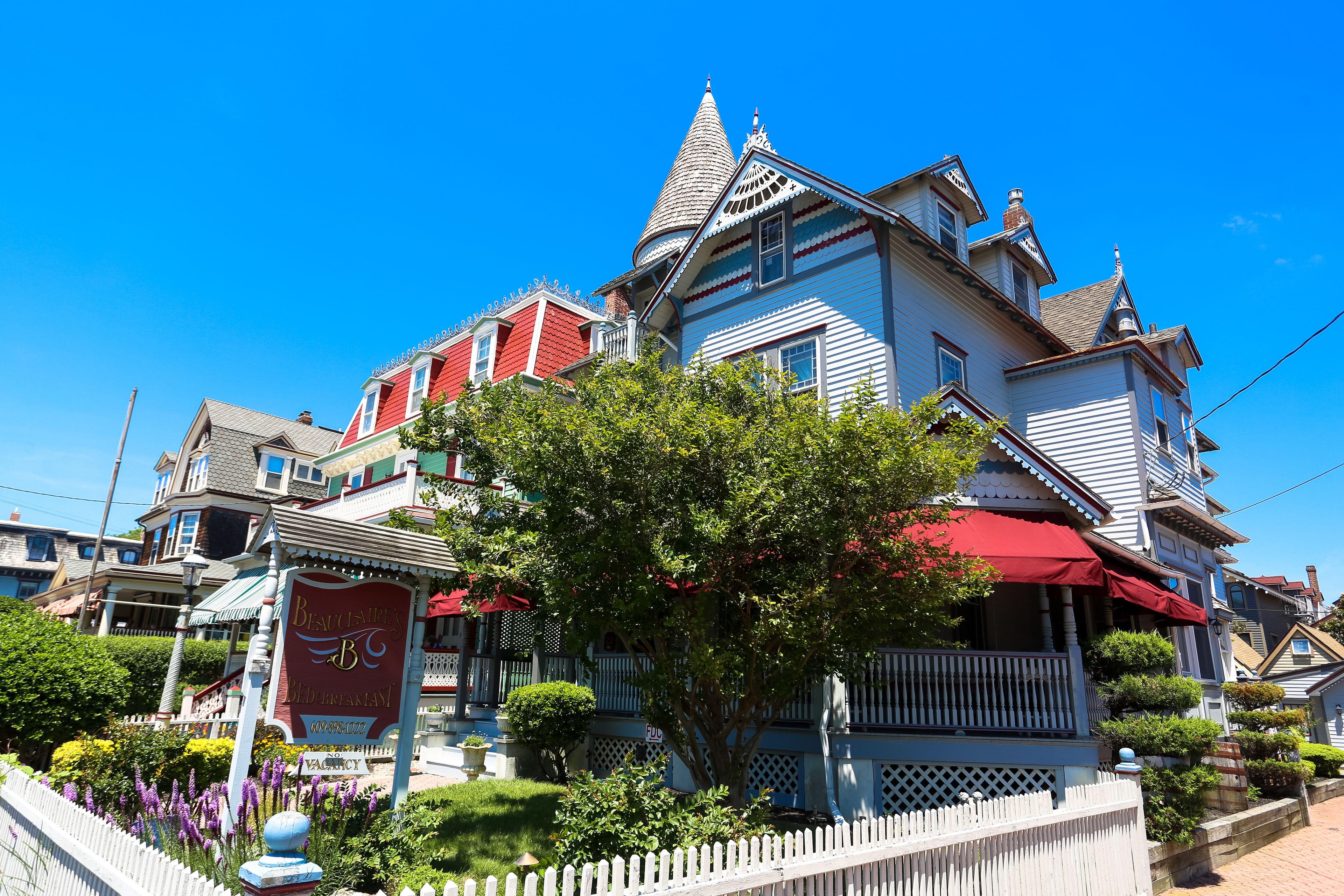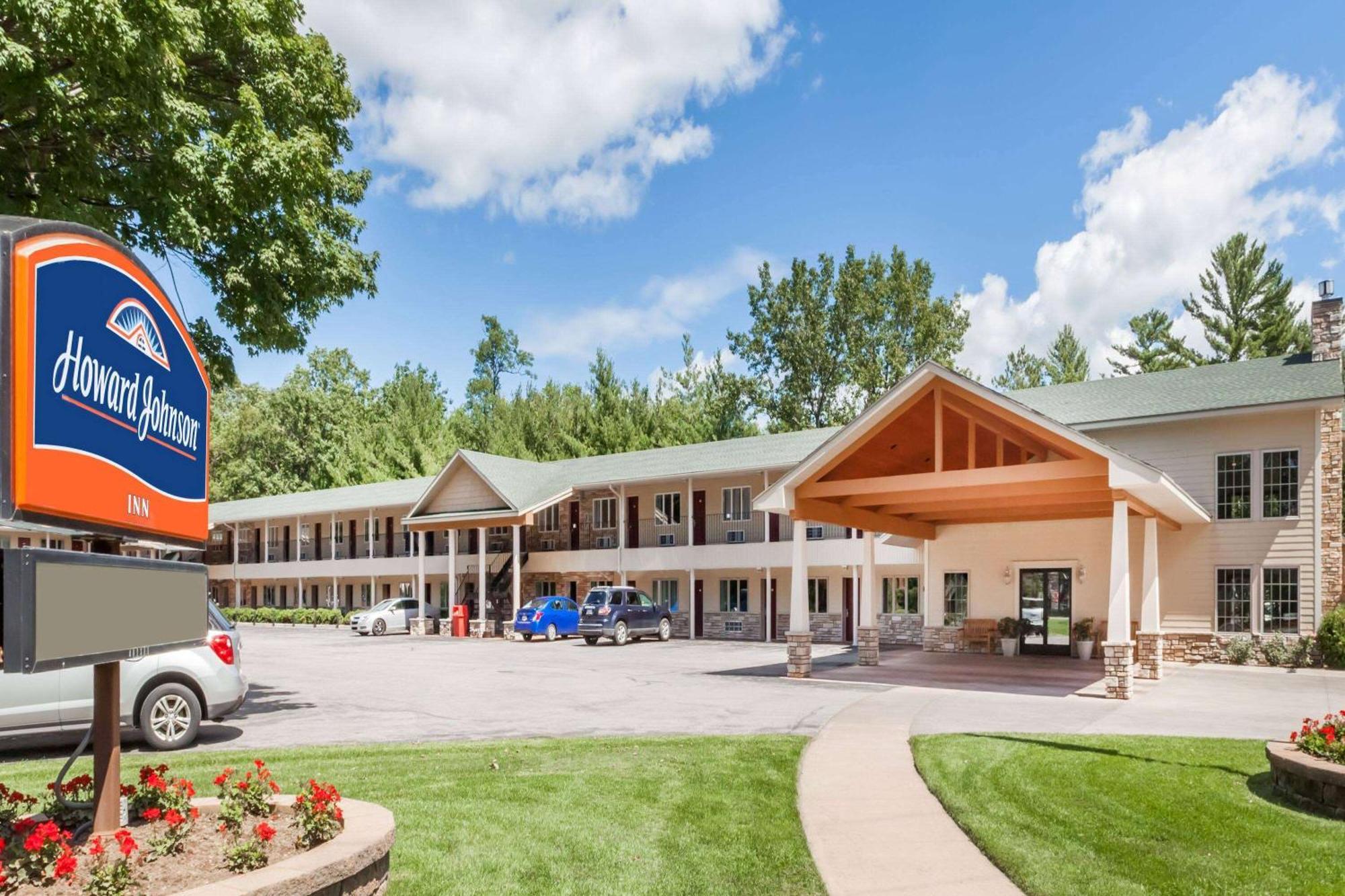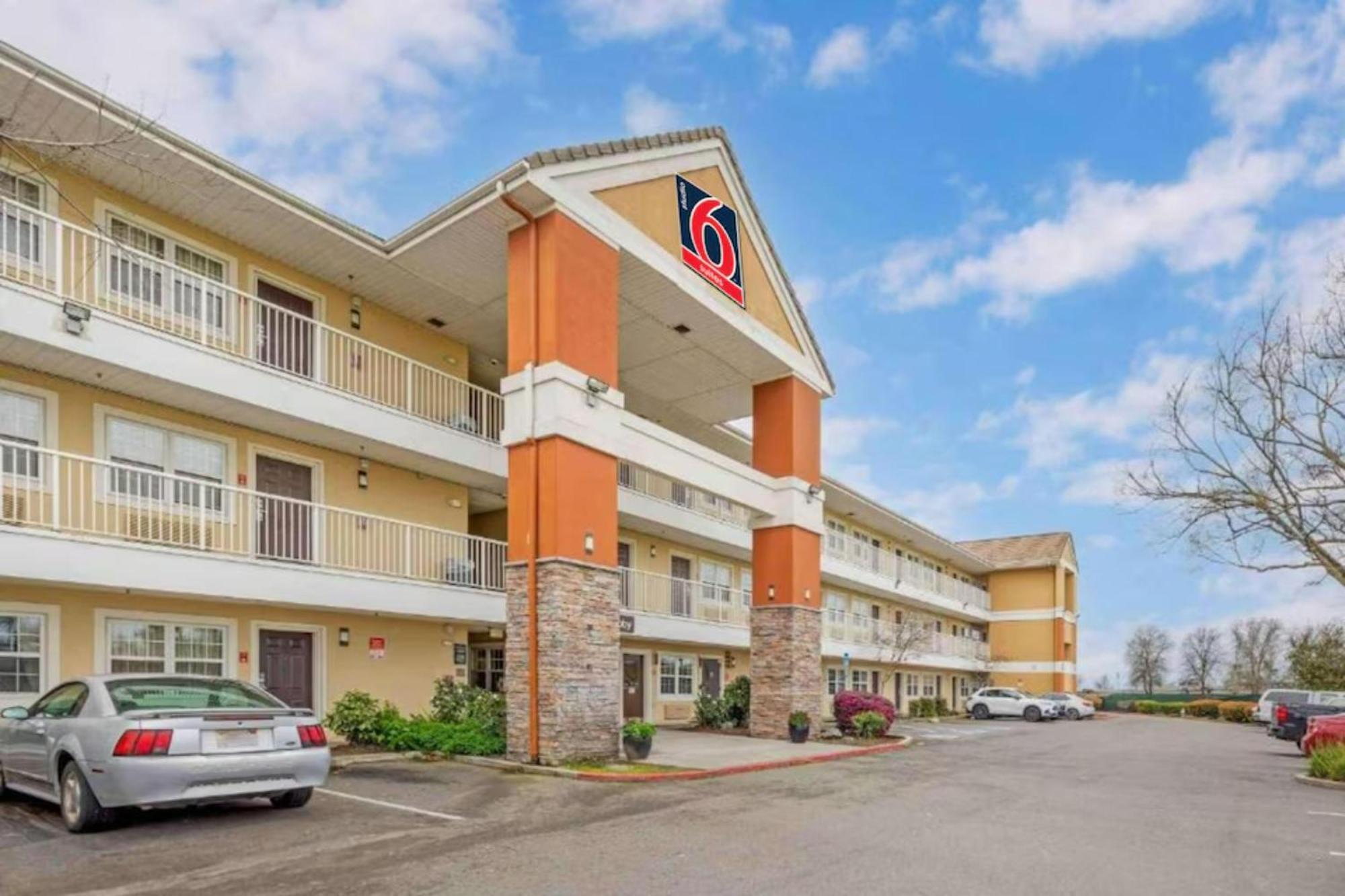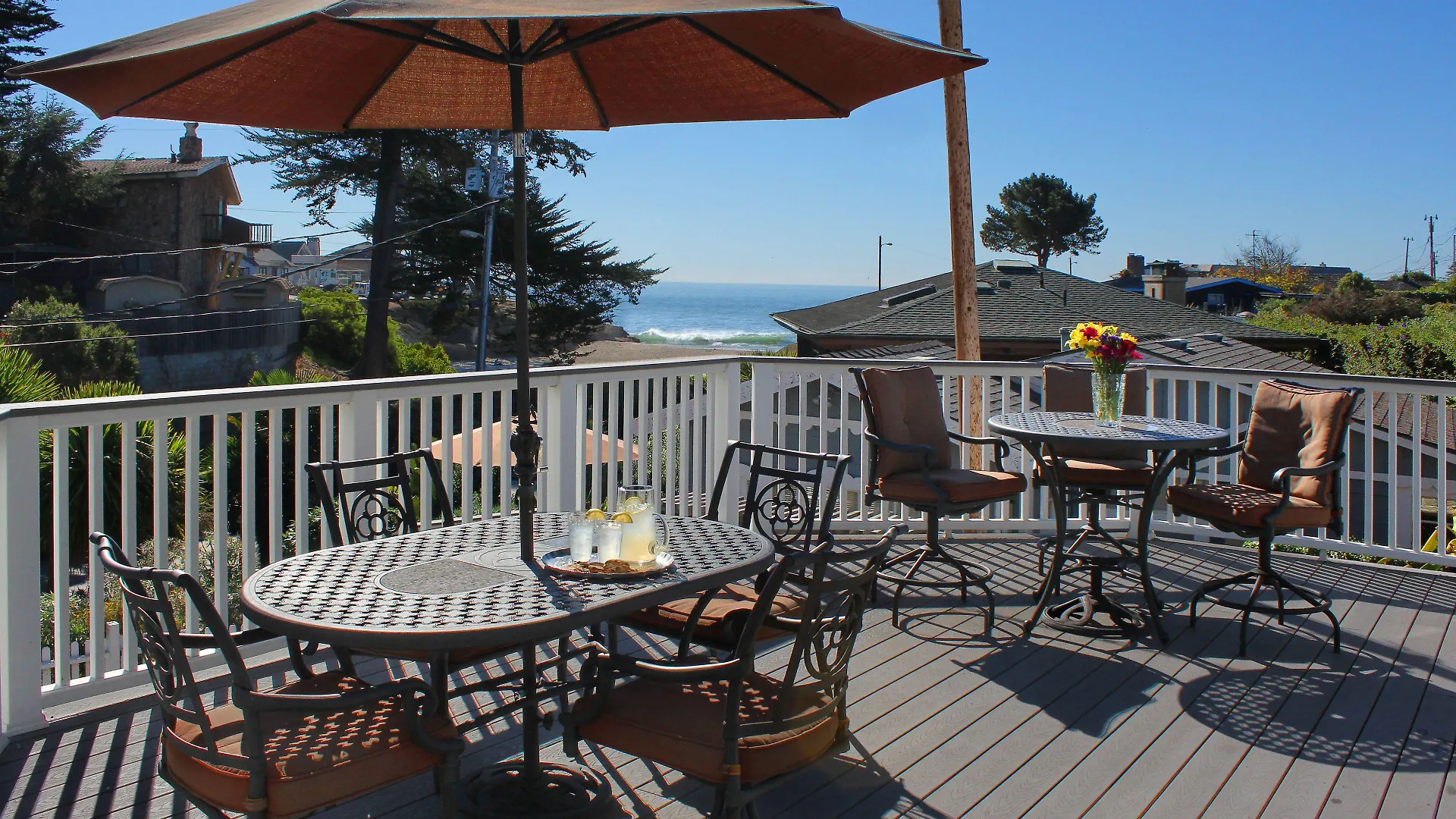
Northern California's coastline stretches from the redwood-backed shores of Crescent City down through the rugged Mendocino bluffs, the surf-washed beaches of Santa Cruz, and the glassy waters of South Lake Tahoe - offering a coastal experience that's more diverse than most travelers expect. This guide covers 7 beach hotels across the region to help you pick the right property based on location, access, and what each area actually delivers for a coastal stay.
What It's Like Staying in Northern California
Northern California is not a single destination - it's a sequence of distinct coastal and lake environments, each with its own pace, crowd profile, and transport logic. The coastline along Highway 1 moves slowly by design: two-lane roads, sparse public transit, and towns spaced far apart mean a car is non-negotiable for most beach stays. Crowds cluster heavily around Santa Cruz and Lake Tahoe, especially from June through August, while spots like Trinidad and Lakeport stay genuinely uncrowded even in peak season. Fog is a real factor on the northern coast - particularly in July - which surprises visitors expecting California sunshine every day.
Pros:
- Exceptional coastal variety: redwood forests, rocky coves, sandy beaches, and mountain lake shores all within the same region
- Less commercial and overdeveloped compared to Southern California beach towns, with fewer resort chains and more independent properties
- Strong outdoor activity infrastructure: kayaking, fishing, hiking, and cycling are accessible directly from most beach hotels
Cons:
- Limited public transportation means renting a car is almost always required, adding cost and planning complexity
- Summer fog along the northern coast (especially July) regularly keeps temperatures in the low 60s°F and reduces beach usability
- Coastal towns are far apart - driving between Crescent City and Santa Cruz takes around 7 hours, so strategic base selection matters significantly
Why Choose a Beach Hotel in Northern California
Beach hotels in Northern California range from beachfront motel-style properties in Crescent City to lake-adjacent resorts in Lakeport and cottage-style inns directly on Monterey Bay - and that variety affects pricing, room size, and the experience significantly. Beachfront access is a genuine differentiator here: some properties sit literally steps from the water, while others marketed as coastal are a short drive away. Unlike Southern California, most Northern California beach hotels are smaller-scale, independently operated, and priced more accessibly - with nightly rates around 30% lower than equivalent beachside properties in Malibu or Laguna Beach. Room sizes tend to be larger in cottage-format properties, many of which include kitchenettes, making longer stays more practical and cost-effective.
Pros:
- Many properties include kitchenettes or full kitchens, reducing food costs on multi-night stays significantly
- Smaller, independent properties typically offer more direct beach or waterfront access than larger hotel complexes
- Dog-friendly and family-room options are more commonly available than at comparable Southern California coastal hotels
Cons:
- Few beach hotels in Northern California have on-site restaurants - dining options often require driving, particularly in smaller towns
- Amenity levels vary considerably: some properties offer pools and fitness centers, others are basic motel-style with no shared facilities
- Cell reception is poor or nonexistent at several coastal properties, which affects navigation, communication, and booking confirmations
Practical Booking & Area Strategy
The most important strategic decision for a Northern California beach stay is which coastal zone to base yourself in. Santa Cruz is the most convenient hub - within 45 minutes of San José Airport and Silicon Valley, with consistent surf, a boardwalk, and easy access to the Redwoods. South Lake Tahoe functions as a mountain-lake coastal alternative, best for travelers combining skiing or hiking with waterfront access; book at least 6 weeks ahead for summer weekends as inventory fills fast. Lakeport and Clear Lake offer the calmest, least-touristed waterside experience in the region, with fishing and water sports as the primary draws. For the northernmost coast - Crescent City and Trinidad - proximity to Prairie Creek Redwoods State Park and old-growth redwood trails is the main attraction alongside the ocean, and mid-week stays are noticeably cheaper and quieter. Peak pricing runs from late June through Labor Day, and shoulder season bookings in May or September offer the best combination of weather, pricing, and availability across all Northern California coastal zones.
Best Value Beach Stays
These properties deliver strong beachfront or waterfront access at accessible price points, with practical amenities suited for families, pet travelers, and longer coastal stays.
-
1. Ocean Echo Inn & Beach Cottages
Show on map


 Check-infrom 16:00 until 21:00Check-outuntil 11:00
Just a few rooms left at the best rate!
fromUS$ 159
-
2. Anchor Beach Inn
Show on map


 Check-infrom 14:00 until 23:59Check-outfrom 05:00 until 11:00
Just a few rooms left at the best rate!
fromUS$ 113
-
3. View Crest Lodge
Show on map


 Check-infrom 14:00 until 23:59Check-outuntil 11:00
Just a few rooms left at the best rate!
fromUS$ 199
-
4. Best Western Orchard Inn
Show on map


 Check-infrom 15:00 until 23:59Check-outuntil 11:00
Hurry – almost gone at this price!
fromUS$ 87
Best Premium Beach Stays
These properties offer stronger setting differentiation - panoramic ocean views, private beach areas, lakeside resort facilities, or inn-style character - suited for travelers prioritizing atmosphere and amenity quality over price alone.
-
1. Wharf Master'S Inn
Show on map


 Check-infrom 15:00 until 20:00Check-outfrom 08:00 until 11:00
Hurry – almost gone at this price!
fromUS$ 119
-
6. Fireside Lodge
Show on map


 Check-infrom 15:00 until 20:00Check-outfrom 10:00 until 11:00
Rooms filling fast – secure the best rate!
fromUS$ 390
-
7. Skylark Shores Resort
Show on map


 Check-infrom 15:00 until 22:00Check-outuntil 11:00
Rooms filling fast – secure the best rate!
fromUS$ 93
Smart Travel & Timing Advice for Northern California Beach Hotels
The Northern California coast operates on a distinct seasonal rhythm that differs substantially from Southern California beach destinations. Late September through October is the best window for coastal stays: fog dissipates, summer crowds have left, and nightly rates drop noticeably while weather on the central and southern stretches remains warm and stable. July is statistically the foggiest month on the northern coast - Crescent City, Trinidad, and Mendocino regularly see overcast mornings that don't clear until early afternoon, which frustrates travelers expecting full beach days. South Lake Tahoe peaks in both winter (ski season) and summer (lake season), with prices spiking around 40% above shoulder season rates during those windows - booking at least 8 weeks ahead is strongly recommended for summer weekends. For Santa Cruz and Monterey Bay properties, May and early June offer the most reliable combination of clear skies, manageable crowds, and mid-range pricing before peak demand sets in. A minimum of 2 nights is necessary at any single Northern California coastal stop to justify drive times and make meaningful use of the surrounding beaches, parks, and local activities.