Manhattan condenses more hotels per square mile than almost any urban destination in the United States, which means choosing where to stay directly shapes how much time you spend commuting versus exploring. This guide covers 13 hotels across Midtown, Chelsea, Hell's Kitchen, and Upper Manhattan - with real positioning details, transport facts, and booking strategy to help you decide.
What It's Like Staying in Manhattan
Staying in Manhattan means you are rarely more than a few blocks from a subway entrance, but that proximity comes with a constant urban rhythm - street noise, 24-hour foot traffic, and hotel rooms that trend smaller than what you'd find in most other U.S. cities. The subway grid connects even outer neighborhoods within around 20 minutes, which makes micro-location less critical here than in car-dependent cities. That said, staying in Midtown or Chelsea puts Broadway, the High Line, Penn Station, and Madison Square Garden within walking distance without needing a MetroCard at all.
Pros:
Unmatched transit density - every major Manhattan neighborhood is served by multiple subway lines, making cross-borough trips genuinely fast
Walkability is real: most hotels in Chelsea and Midtown put you within 10 minutes on foot of multiple iconic landmarks
Around the clock access to restaurants, pharmacies, and entertainment means no logistical gaps in your itinerary
Cons:
Street-level noise is unavoidable in Midtown and Times Square-adjacent blocks, even with double-glazed windows
Manhattan hotel rooms average among the smallest in any major U.S. city - space is a premium, not a given
Parking costs are high and unnecessary for most visitors; driving in Manhattan adds friction, not flexibility
Why Choose a Hotel in Manhattan
Hotels in Manhattan range from historic Beaux-Arts properties to lean modern builds designed for guests who treat the room as a base, not a destination. Chelsea and Midtown hotels consistently offer the strongest balance between landmark access and transit connectivity, with properties sitting steps from Penn Station, the High Line, and the Flatiron District. Unlike short-term rentals, Manhattan hotels typically provide 24-hour front desks and fitness centers - practical advantages when jet lag or irregular schedules are a factor. Budget-tier Manhattan hotels still command rates well above the U.S. average, so the value calculation is really about saved transit time and logistical ease.
Main advantages of hotels in Manhattan:
Direct walkability to flagship landmarks - Madison Square Garden, Bryant Park, and Times Square are often under 10 minutes on foot from Chelsea and Midtown properties
Hotels absorb the logistical overhead: daily housekeeping, luggage storage, and concierge services that short-term rentals rarely match
Many properties include breakfast and fitness access bundled into the room rate, reducing daily spending
Main trade-offs in this specific zone:
Rate premiums in Midtown can run significantly higher than comparable rooms in Brooklyn or Queens
Rooms in converted historic buildings often sacrifice storage space for architectural character
High occupancy periods - particularly October through December and summer - push availability thin across the entire borough
Practical Booking & Area Strategy
For Chelsea-based hotels, positioning on or near West 23rd Street gives walkable access to both the High Line and Penn Station, making it one of the most transit-efficient corridors in Manhattan. The 6 train on Lexington Avenue and the C/E lines on 8th Avenue are the backbone connections for guests staying between 14th and 34th Streets, with Grand Central Terminal reachable in under 15 minutes. Midtown properties near Penn Station - particularly those on 7th Avenue and Broadway - offer direct LIRR and NJ Transit access, which matters if you're combining Manhattan with day trips. Book at least 6 weeks ahead for stays between Thanksgiving and New Year's Eve, when Manhattan hotel rates spike sharply and upper-midrange properties sell out fastest. The Theater District, Meatpacking District, and Chelsea Market all sit within a short walk of the Chelsea cluster, making evening plans straightforward without ride-shares.
Best Value Stays
These properties deliver competitive positioning in central Manhattan - covering Chelsea, Midtown, and Hell's Kitchen - with practical amenities that justify their rates without unnecessary additions.
-
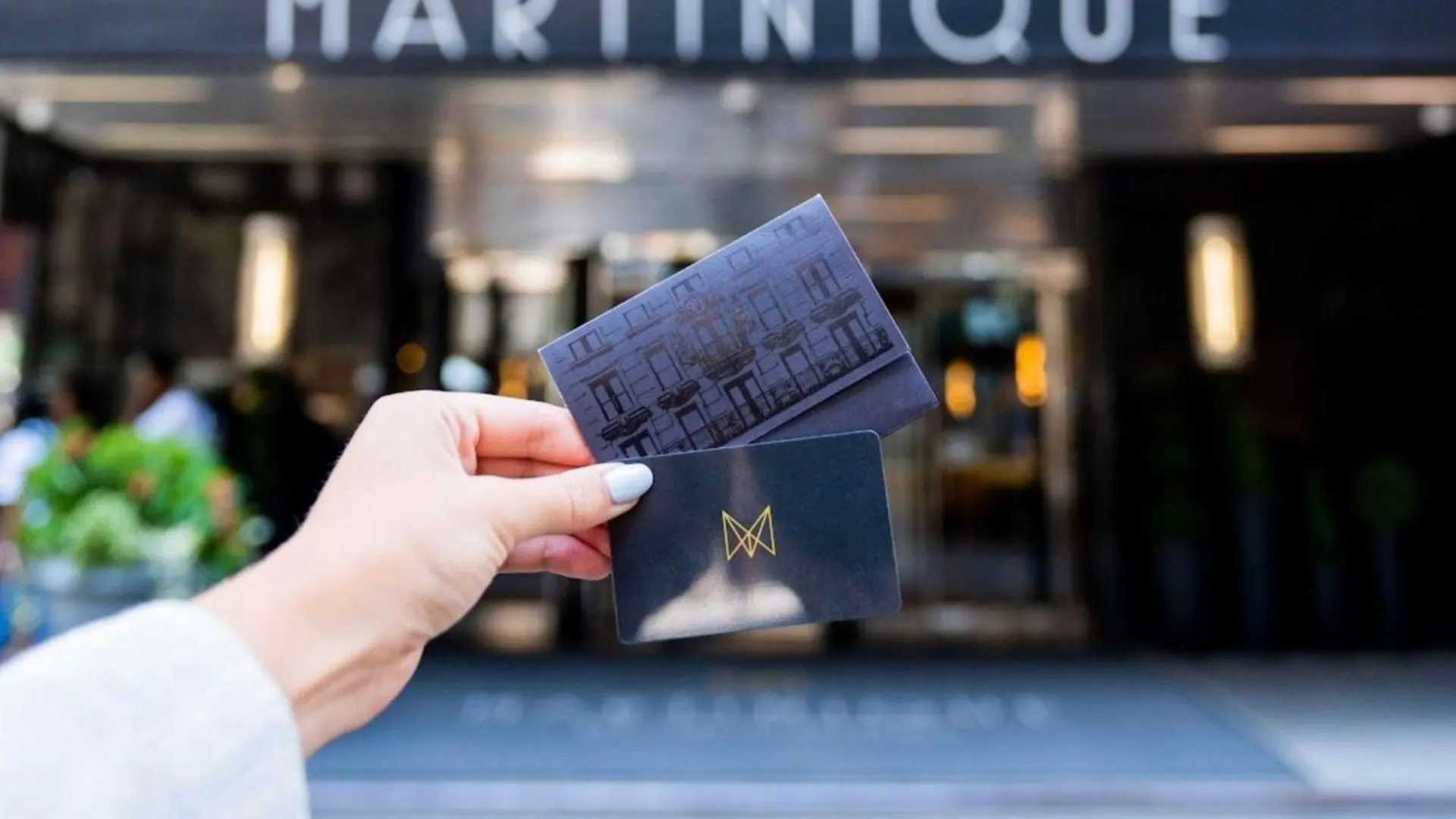
1. Martinique New York On Broadway, Curio Collection By Hilton
Show on map


 Check-infrom 16:00 until 23:59Check-outuntil 11:00
Best price guarantee
fromUS$ 536
-
2. Hotel Hayden New York
Show on map


 Check-infrom 15:00 until 23:59Check-outuntil 12:00
Just a few rooms left at the best rate!
fromUS$ 145
-
3. Springhill Suites By Marriott New York Manhattan Chelsea
Show on map


 Check-infrom 16:00 until 23:59Check-outuntil 11:00
Hurry – almost gone at this price!
fromUS$ 173
-
4. Fairfield Inn & Suites New York Midtown Manhattan/Penn Station
Show on map


 Check-infrom 16:00 until 23:59Check-outuntil 11:00
Best price guarantee
fromUS$ 119
-
5. Staypineapple, An Artful Hotel, Midtown New York
Show on map


 Check-infrom 16:00 until 23:59Check-outfrom 04:00 until 12:00
Rooms filling fast – secure the best rate!
fromUS$ 119
-
6. Radio Hotel
Show on map


 Check-infrom 15:00 until 23:59Check-outuntil 12:00
Best price guarantee
fromUS$ 111
Best Premium Stays
These Manhattan hotels distinguish themselves through architectural character, curated design, landmark positioning, or above-standard amenities - properties where the room and the building itself are part of the experience.
-
1. Renaissance New York Chelsea Hotel
Show on map


 Check-infrom 16:00 until 23:59Check-outuntil 12:00
Best price guarantee
fromUS$ 188
-
2. The High Line Hotel
Show on map


 Check-infrom 16:00 until 23:59Check-outuntil 11:00
Best price guarantee
fromUS$ 167
-
3. Freehand New York
Show on map


 Check-infrom 15:00 until 23:59Check-outfrom 04:00 until 12:00
Just a few rooms left at the best rate!
fromUS$ 2018
-
4. Motto By Hilton New York City Chelsea
Show on map


 Check-infrom 15:00 until 23:59Check-outuntil 12:00
Hurry – almost gone at this price!
fromUS$ 180
-
5. The Renwick
Show on map


 Check-infrom 16:00 until 23:59Check-outuntil 11:00
Rooms filling fast – secure the best rate!
fromUS$ 143
-
6. The Manhattan At Times Square Hotel
Show on map


 Check-infrom 16:00 until 23:59Check-outuntil 12:00
Just a few rooms left at the best rate!
fromUS$ 219
-
7. The Moore, New York City, A Member Of Design Hotels
Show on map


 Check-infrom 15:00 until 23:59Check-outuntil 12:00
Best price guarantee
fromUS$ 215
Smart Timing & Booking Advice for Manhattan Hotels
Manhattan hotel pricing follows a distinct seasonal pattern that rewards advance planning. October through early January is the highest-demand window, driven by fall tourism, the Thanksgiving parade, and the holiday season - rates across Chelsea and Midtown regularly climb during these months, and availability at mid-range properties compresses fast. Summer (June through August) brings strong leisure demand particularly around Times Square and the Theater District, but Chelsea and Hell's Kitchen hotels sometimes hold more inventory due to the convention-heavy nature of their guest mix. Late January through March is consistently the quietest and most affordable period across Manhattan, with some properties reducing rates by around 30% compared to peak season.
For stays during major events at Madison Square Garden - concerts, playoffs, or conventions at Javits - book at least 8 weeks ahead regardless of season. Properties directly adjacent to Penn Station and MSG (like the Fairfield Inn and Martinique) sell out first during these windows. If flexibility is possible, mid-week stays Monday through Thursday consistently run cheaper than weekends across virtually every Manhattan hotel on this list. Guests planning more than 3 nights should prioritize properties with in-room fridges, on-site breakfast options, and fitness access - features that reduce the daily cost of a Manhattan stay meaningfully over a longer trip.