Vermont draws travelers seeking covered bridges, fall foliage, ski resorts, and small-town charm - but choosing where to stay across its scattered villages and interstate corridors makes a real difference to your trip. This guide covers 4 carefully selected hotels in Vermont, from the Quechee Gorge area to White River Junction and the Barre-Montpelier region, helping you match your base to your itinerary and budget.
What It's Like Staying in Vermont
Vermont operates on a rural rhythm - distances between attractions are real, and most visitors rely on a car for anything beyond their immediate surroundings. The state has no major urban transit network, so your hotel's location relative to Interstate 89 and Interstate 91 directly shapes how efficiently you can move. Peak foliage season in October brings around 40% higher occupancy across the state, so planning ahead is essential for that window.
Vermont suits travelers who want immersive nature access, low-key historic towns, and a slower pace - but those expecting walkable city amenities or nightlife will find it limiting.
Pros:
- Exceptional outdoor access - skiing, hiking, and leaf-peeping are all within short drives of most hotels
- Low population density means quieter stays and less noise pollution than urban New England alternatives
- I-89 and I-91 create a functional highway spine connecting Barre, White River Junction, and the Upper Valley efficiently
Cons:
- No public transit between towns means a car is non-negotiable for almost all sightseeing
- Dining and shopping options near rural hotels are limited after 9 PM
- Fall foliage weeks compress demand severely, pushing prices up and availability down statewide
Why Choose a Hotel in Vermont
Hotels in Vermont - as opposed to vacation rentals or inns - tend to offer more reliable amenities like free breakfast, fitness centers, and consistent Wi-Fi, which matters when you're covering long driving days between parks and historic sites. Mid-range branded hotels here typically run between $120-$180 per night outside peak foliage and ski season, offering better value than comparable lodging in coastal New England. Room sizes at Vermont highway-corridor hotels are generally larger than city-center options in Boston or Portland, and free parking is almost universally included.
The trade-off is that branded hotels in Vermont are rarely walking distance from village centers - they position near interstate exits for convenience, not charm.
Pros:
- Free parking is standard at virtually all Vermont hotels, saving around $20-$30 per day compared to urban alternatives
- On-site breakfast options reduce the logistical burden of finding cafes in rural areas early in the morning
- Fitness centers and pools are more common in branded Vermont hotels than in B&Bs or inns at the same price point
Cons:
- Most hotels sit near highway exits rather than historic village cores, requiring a short drive to reach authentic Vermont atmosphere
- Ski and foliage season pricing spikes can push standard rooms well above their off-season rates
- Limited restaurant options on-site - most hotels here do not have full-service dining
Practical Booking & Area Strategy
Vermont's most strategically located hotel zone for multi-day exploration is the White River Junction and Quechee corridor, where Interstate 89 and Interstate 91 intersect - putting you within a 30-minute drive of Woodstock, Hanover (NH), Dartmouth College, and Quechee Gorge State Park. Travelers focusing on central Vermont history and skiing should position in the Barre-Montpelier area, which places you roughly equidistant between the Rock of Ages granite quarry, Stowe Mountain Resort, and the Vermont State House. Booking at least 6 weeks ahead for October foliage or February ski weekends is not optional - it's the minimum lead time to secure reasonable rates at recognizable properties. Outside those peaks, last-minute rates can drop meaningfully, especially midweek.
Key Vermont attractions within reach of these hotel corridors include Billings Farm & Museum, the Vermont Institute of Natural Science, Simon Pearce glass studio, Montshire Museum of Science, and the President Calvin Coolidge State Historic Site - all concentrated in the southeastern quadrant of the state near Route 4.
Best Value Stays
These properties offer strong practical utility for the price - reliable amenities, highway convenience, and proximity to key Vermont attractions without premium pricing.
-
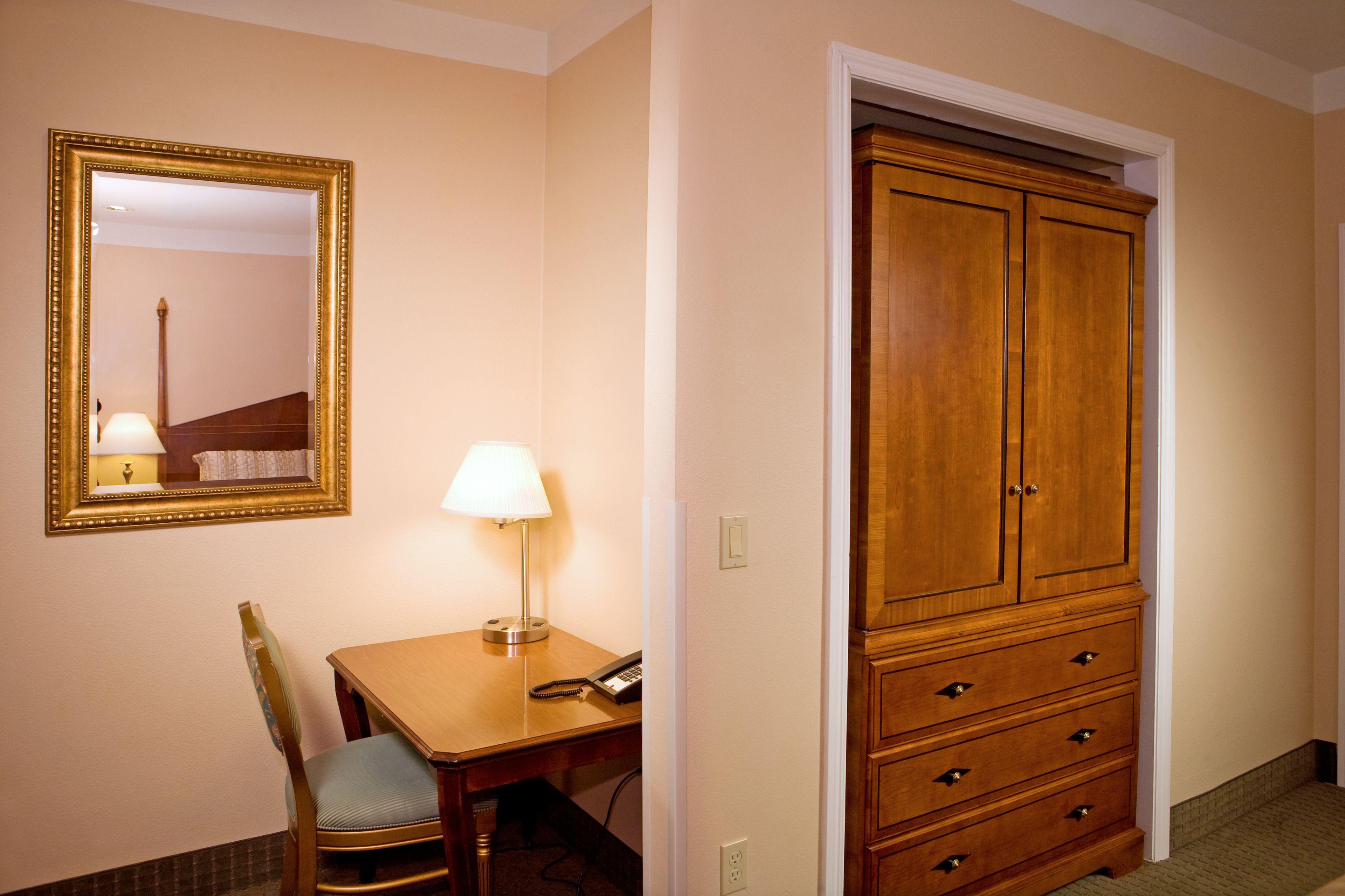
1. Quality Inn Barre-Montpelier
Show on map


Just a few rooms left at the best rate!
fromUS$ 98
-
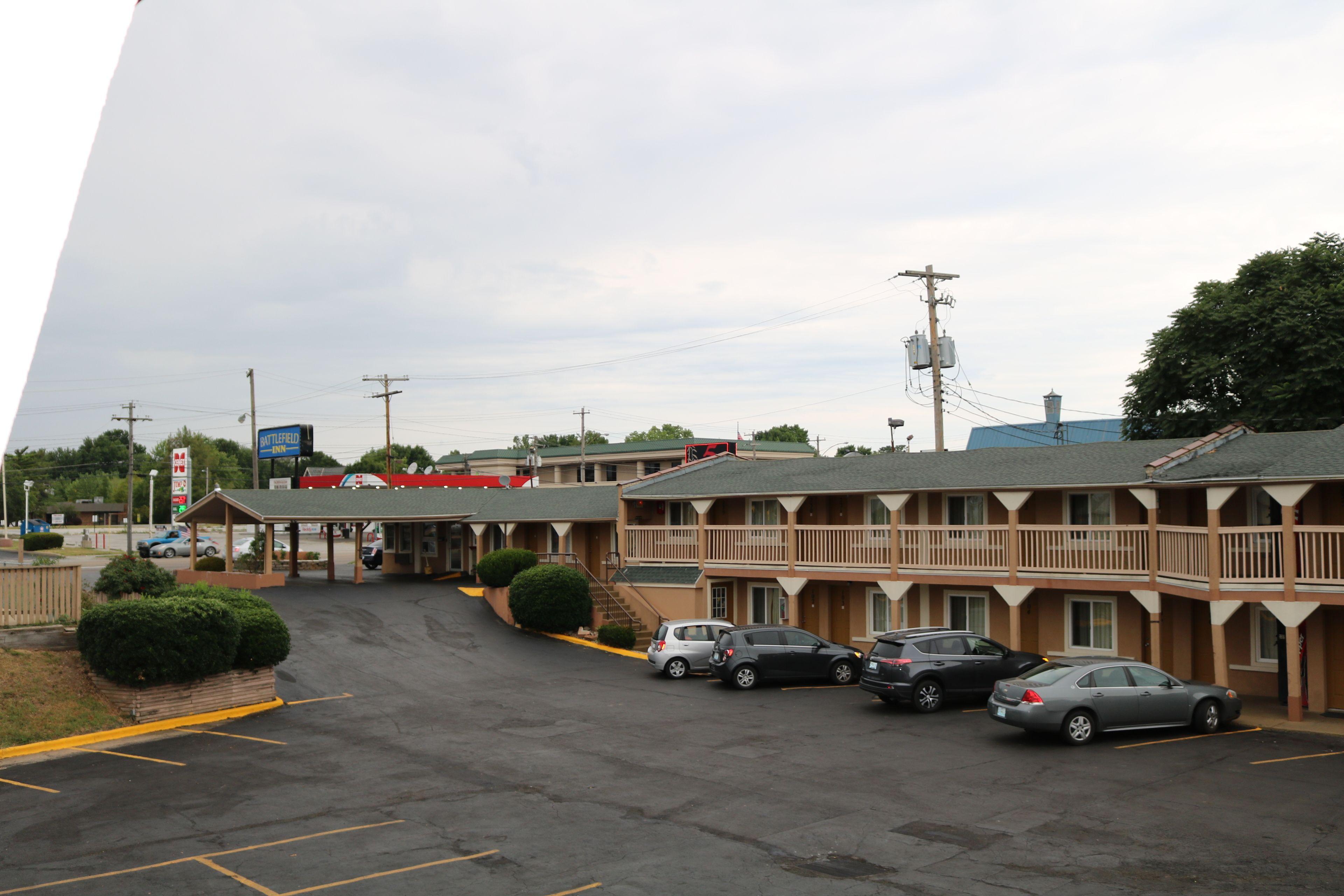
2. Hilltop Inn
Show on map


Just a few rooms left at the best rate!
fromUS$ 64
Best Premium Stays
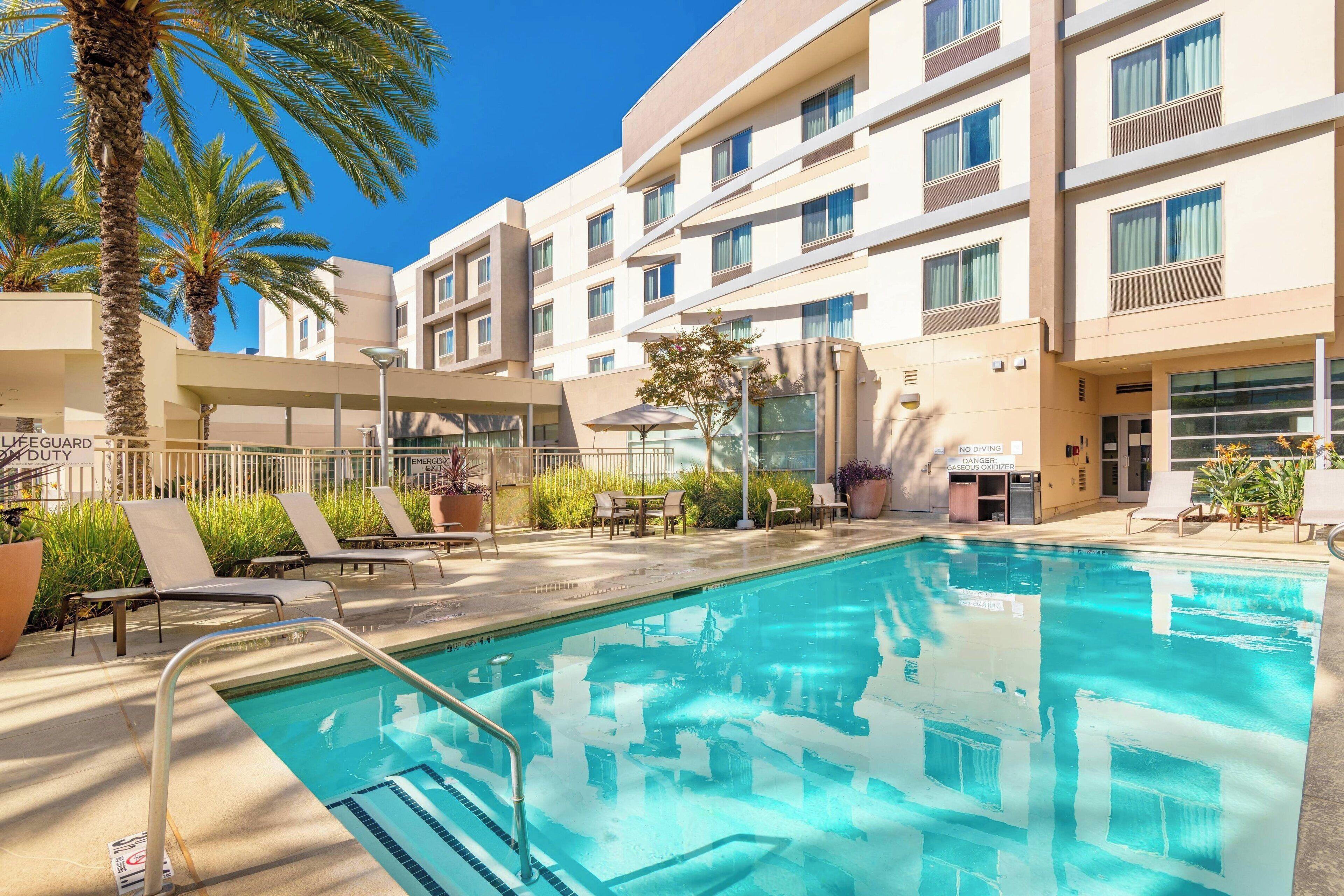
These hotels deliver elevated amenities - pools, fitness centers, superior breakfast programs, and stronger location positioning - for travelers who want more from their Vermont base.
-
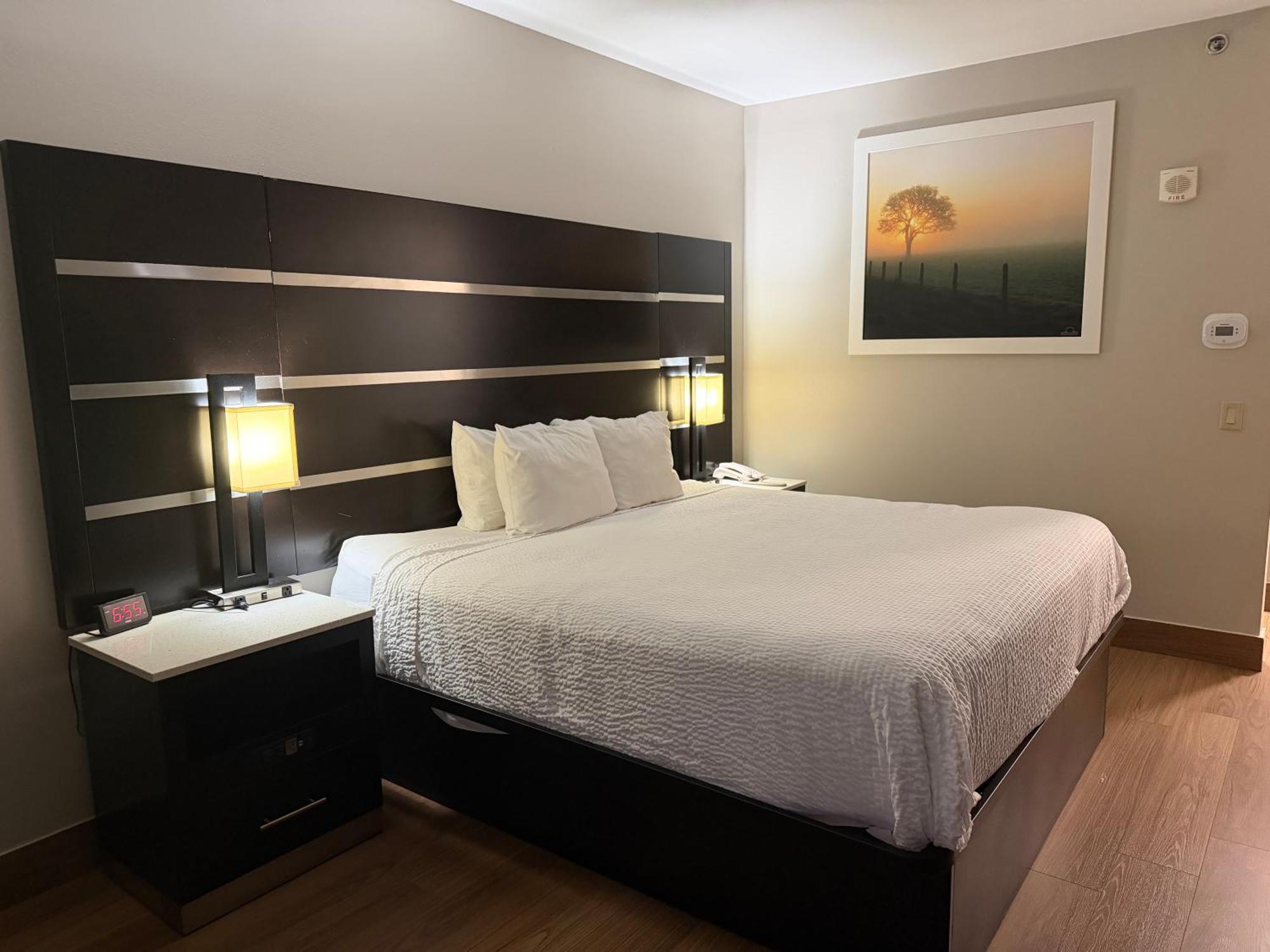
3. Align Inn Vermont
Show on map


Hurry – almost gone at this price!
fromUS$ 168
-
4. Holiday Inn Express Hotel & Suites White River Junction By Ihg
Show on map


Rooms filling fast – secure the best rate!
fromUS$ 127
Smart Travel & Timing Advice
Vermont's demand calendar is shaped by two hard peaks: fall foliage (late September through mid-October) and ski season (late December through March), both of which compress availability statewide and push rates up sharply. Outside these windows, late spring (May-June) and early summer offer the best combination of lower prices, full trail access, and manageable crowds - particularly around Quechee and Woodstock. A minimum of 3 nights is the practical threshold for a Vermont road trip; anything shorter limits how much of the Route 4 corridor, Barre, and the Upper Valley you can realistically experience. For foliage season specifically, book at least 8 weeks in advance - properties near Quechee Gorge and the Barre-Montpelier area fill first due to their central positioning. Midweek arrivals (Tuesday-Wednesday) consistently yield lower rates than weekend check-ins, even during peak season, and many Vermont hotels offer marginally better availability on those nights.